15 Years of Getting UV Lamps Right
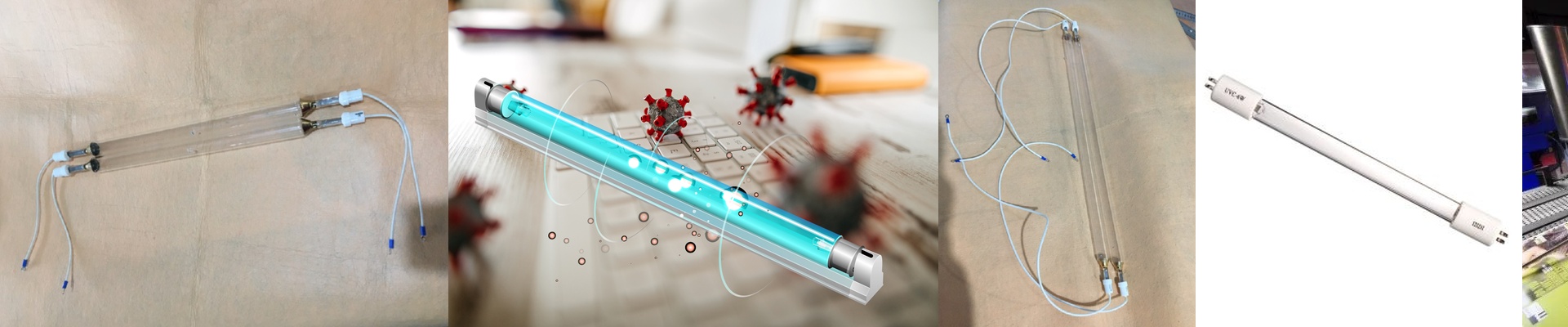
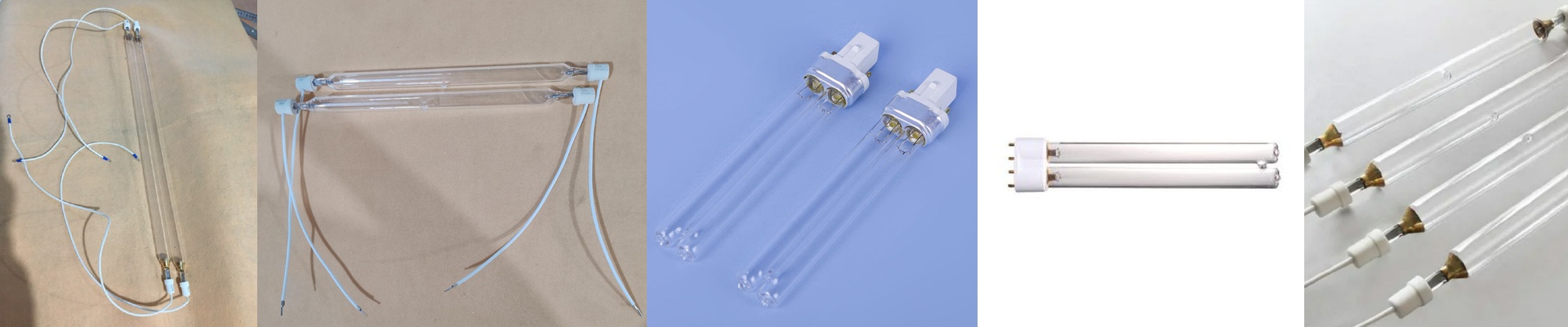
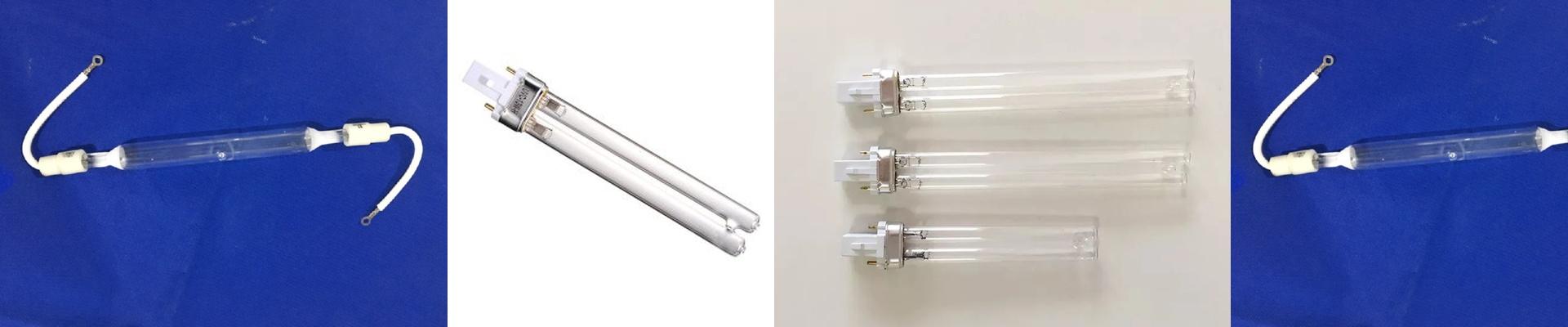
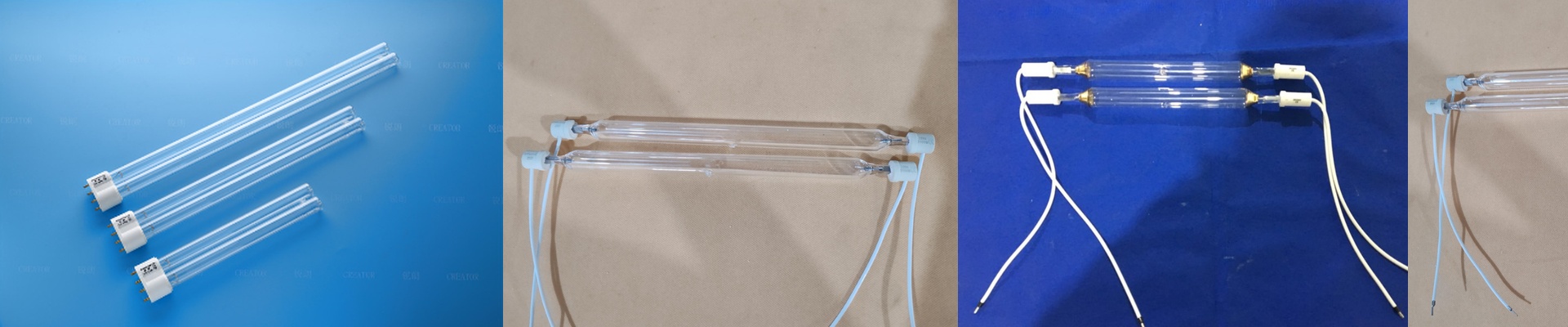
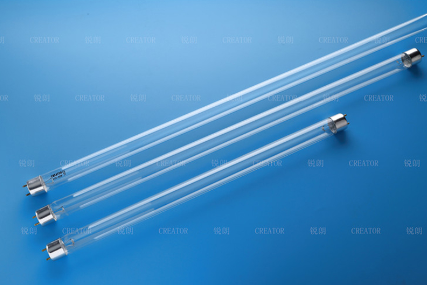
For a long time, we just did the OEM thing—white-labeling other people’s gear. But after 15 years, we decided we were done with that. We wanted to build our own quartz UV tubes. The goal wasn’t fancy. We just wanted the same punch and lifespan as the big-name international brands, but without the “brand name” price tag.
It all starts with the glass
Here’s the thing about UV lamps: they’re only as good as the glass they’re wrapped in. We use high-purity fused quartz because it lets the UV light actually get out. If the quartz is cheap or full of impurities, it just sucks up that shortwave radiation and turns it into heat. That’s a double whammy. Your curing slows down, and the glass gets stressed. We make sure our tubes can handle those wild temperature swings so they don’t just crack the moment you crank up the power.
The battle against heat
When you’re dealing with high-wattage tubes, you’re basically managing a heat monster. The real danger zone is the seal where the electrode meets the quartz. If that seal isn’t perfect, gas leaks out and your lamp dies way too early. To stop that, we use a precision vacuum process to keep the internal gas mix stable. But we can’t do all the work. You’ve got to watch your cooling. I’ve seen too many engineers push the wattage to the limit without touching their cooling fans. If your air-gap or conveyor cooling isn’t dialed in, you’ll overheat your substrate. And then the tube fails. It’s a frustrating way to lose a workday.
Making it fit your shop
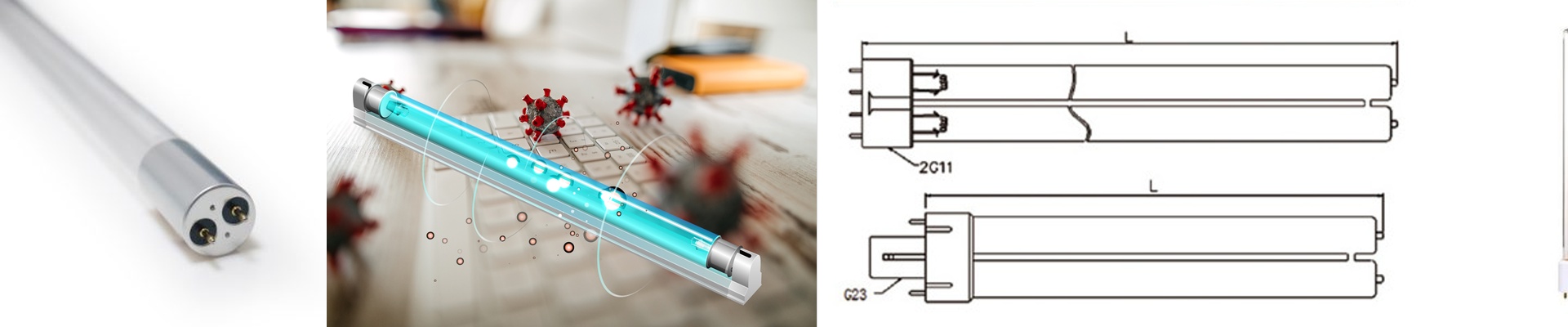
We designed these to be drop-in replacements. No need to rebuild your whole line. Whether you’re running a high-speed press or a PET blowing line, we’ve got the lengths and connectors to fit what you already have. The biggest headache in this industry is “dark spots”—those annoying patches where the cure just isn’t hitting. We test every single batch for spectral consistency. You get a steady, even glow across the whole tube, every time.