Fixing the “Sticky Surface” Problem: A Better Way to Cure
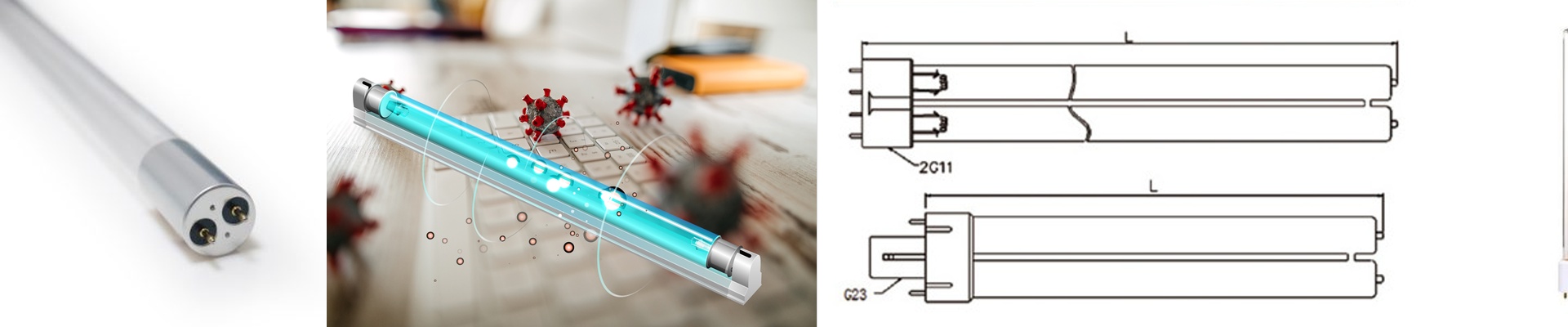
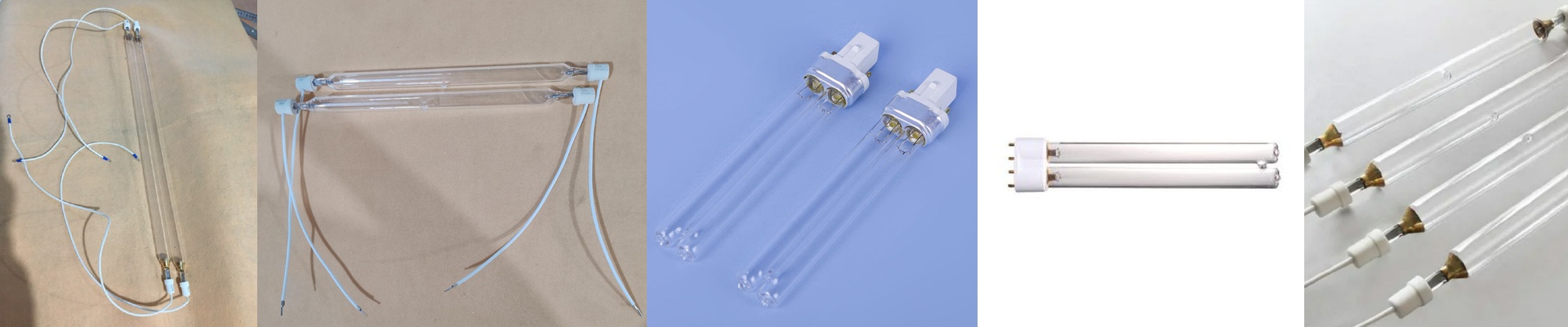
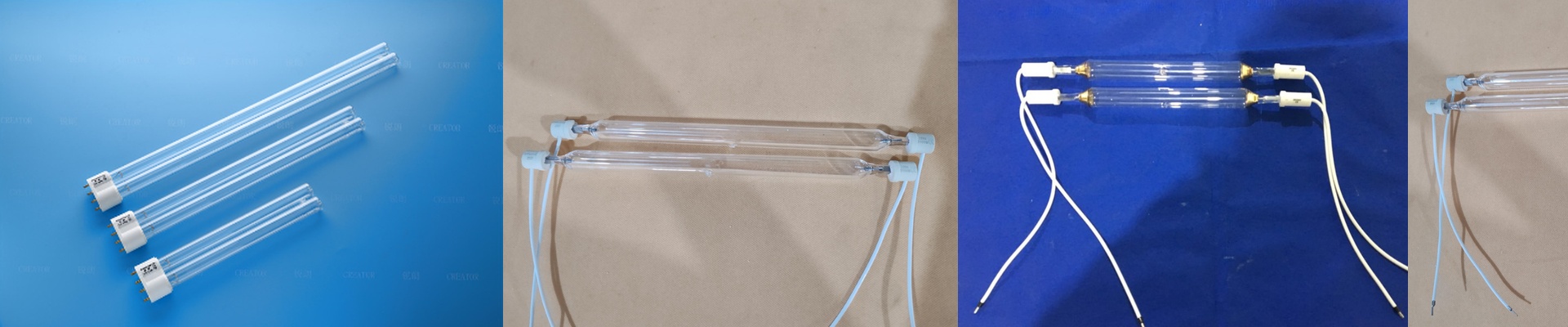
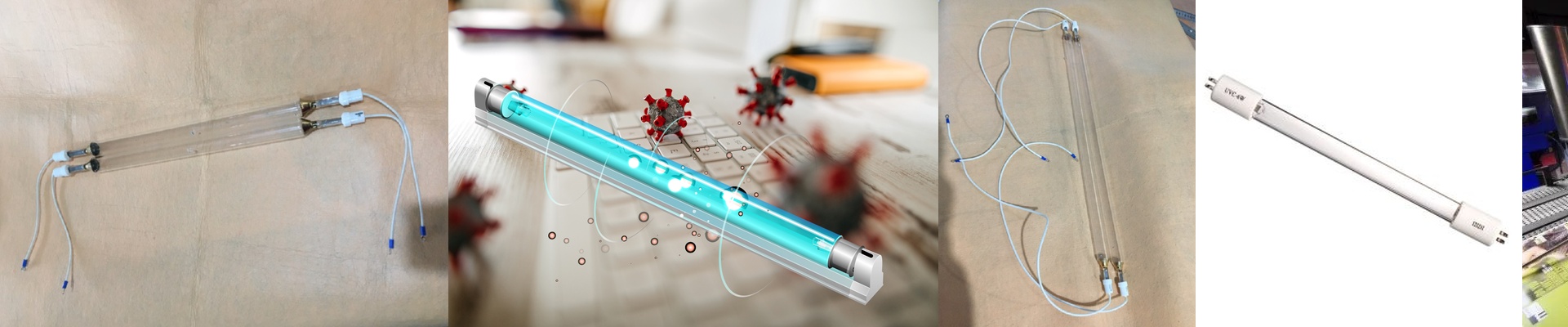
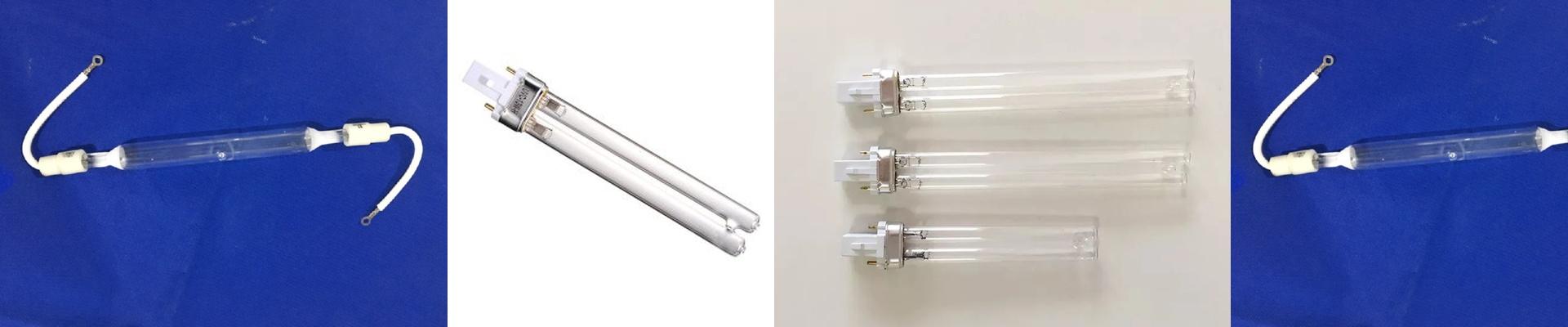
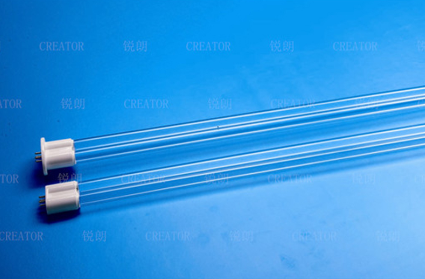
If you’ve ever dealt with thick coatings or resins with heavy pigments, you know the frustration. You run the curing line, everything looks fine on the surface, but the moment you touch it? It’s sticky. The UV just didn’t get deep enough. That’s where our gallium iodide lamps come in. They hit that sweet spot between 300 and 400nm—basically filling the gap where standard mercury lamps and UV-LEDs usually fail. Here is why that actually matters for your shop. We use a specific gallium-doped halide mix to shift the light. Instead of just hitting the “skin” of your material, the light actually punches through. It reaches the bottom of the coating, giving you a cure that’s solid all the way through. No more tacky surfaces, no more guesswork. And we’re doing it without the pollution. We’ve moved to 100% environmentally compliant materials because, frankly, the old way isn’t sustainable. But we didn’t just swap materials for the sake of a checklist. We started using high-purity fused quartz for the envelopes. Usually, these lamps “solarize”—which is just a fancy way of saying the quartz clouds over and your UV output tanks. By cleaning up the quartz and refining the electrodes, we’ve stopped that clouding from happening nearly as fast. Plus, these are drop-in replacements. We spent a lot of time obsessing over the pins and end caps. Why? Because a loose fit leads to arcing, and arcing burns out your sockets. We kept the tolerances tight so you can just plug them in and get back to work. One heads-up, though. These lamps put out a lot of power, and that means a lot of heat. If you cram them into a tight housing without enough airflow, you’re going to cook your reflectors. Check your cooling fans or water-jackets. If the heat isn’t managed, the lamp life drops and your reflectors can actually warp. It’s a simple fix, but it’s the difference between a lamp that lasts and one that burns out. The goal here is simple: stop swapping tubes every few weeks. We want you to spend less time tinkering with your equipment and more time actually shipping product.