A Better Way to Handle UV Curing for Textiles
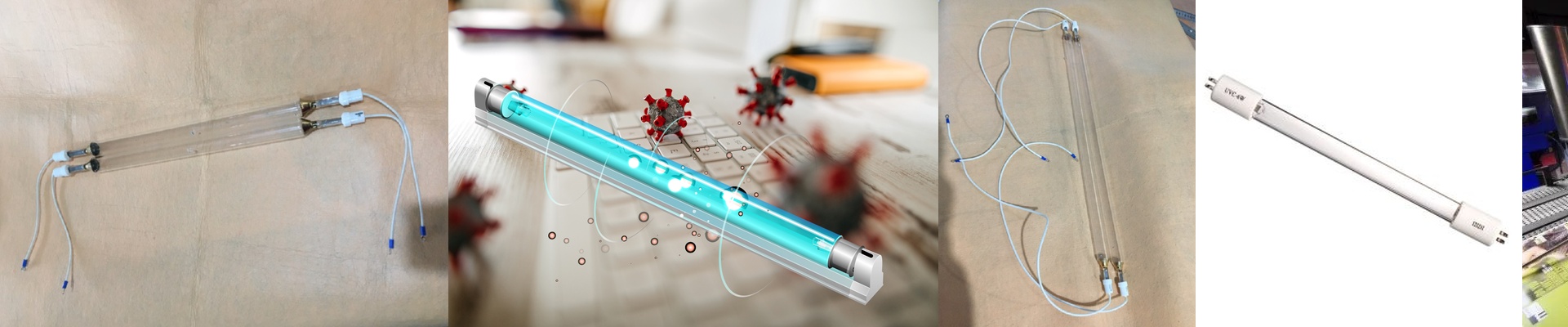
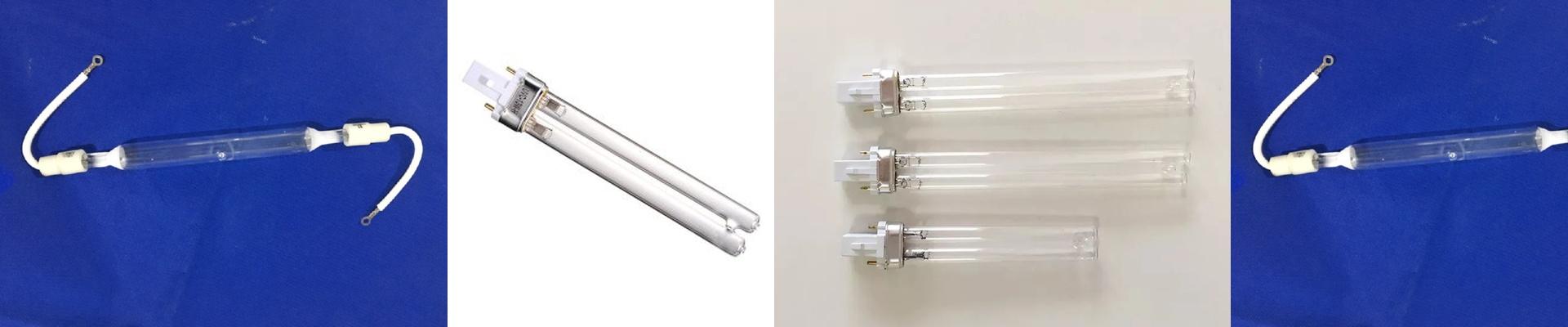
Let’s talk about UV curing. If you’ve ever dealt with fixed-array systems, you know the frustration. You’re stuck with one setting, regardless of what fabric you’re printing on or how fast your line is moving. That’s why we went with a modular approach. Instead of one giant, rigid block, we use independent lamp modules. The beauty of this? You’re in control. Depending on the ink chemistry or the speed of your conveyor, you just toggle the number of active modules. You get exactly the right amount of UV dose—no more, no less. This is huge because over-curing is a nightmare. It makes your fabrics feel brittle or, even worse, gives them that ugly yellow tint. And as your business grows? You don’t have to scrap your entire setup. Just plug in more modules and keep moving.
Getting the Heat Right
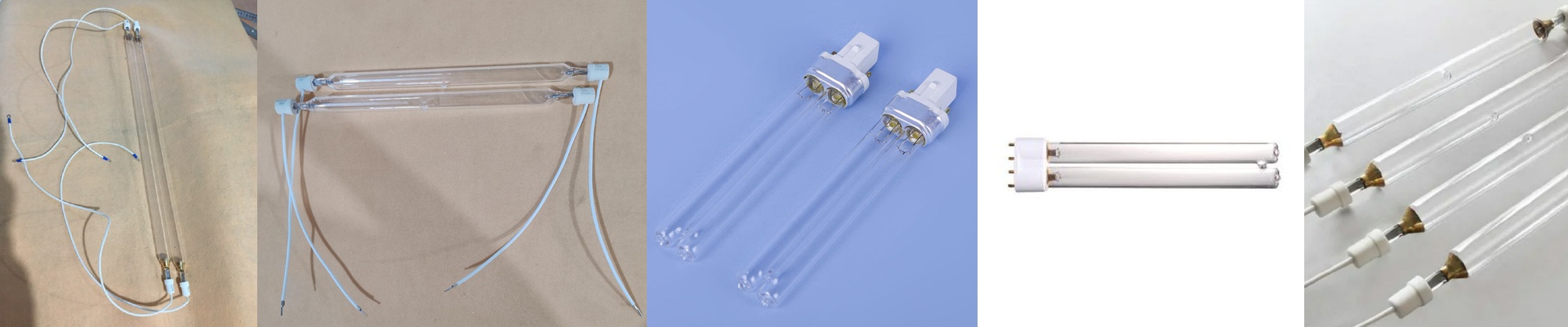
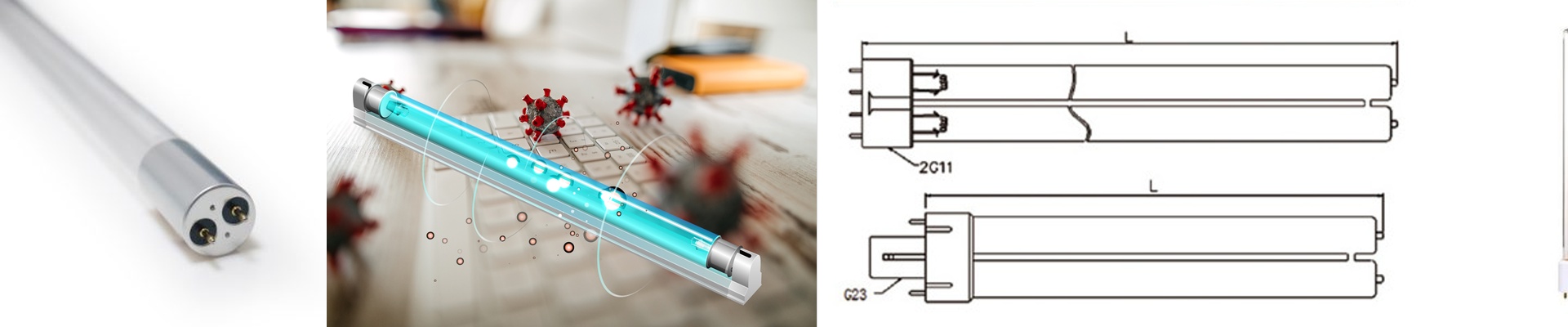
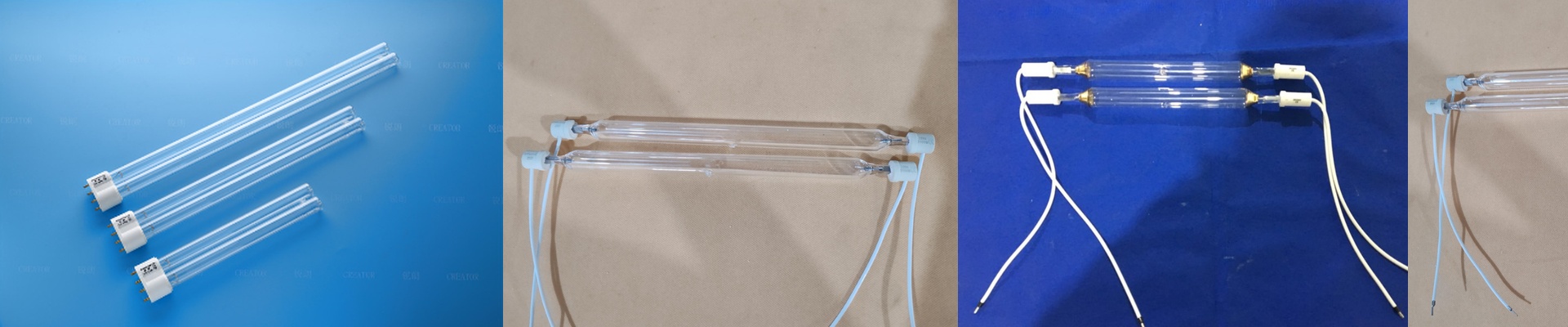
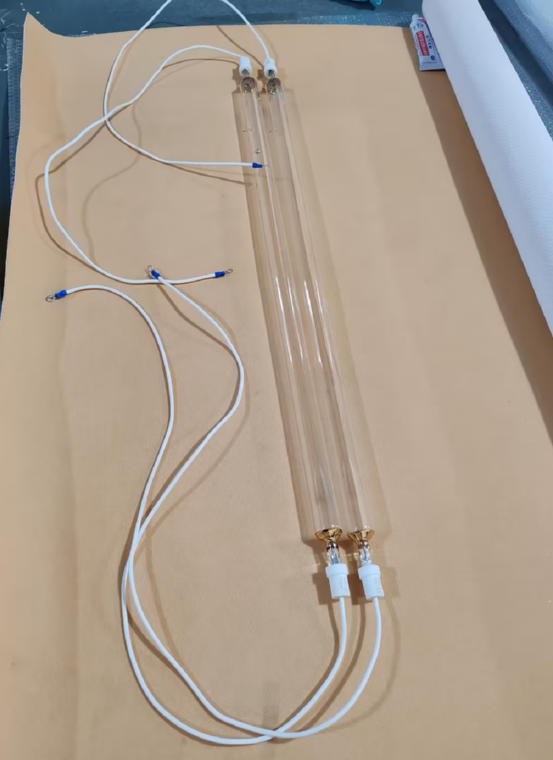
We use high-purity quartz envelopes for the lamps. They do two things: they let the UV light through perfectly, but they keep the unwanted infrared heat from leaking out. We also obsess over the distance between the lamp and the fabric. We want a tight focal point so the ink cures all the way through, not just on the surface. But here is the thing: high-wattage lamps get hot. Really hot. If your cooling isn’t up to the task, you’re going to scorch your textiles. That’s why we build in forced-air cooling. It pulls the heat away from the fabric the second it leaves the curing zone. Your ink sets, but your fabric stays safe.
Easy Fixes and a Quick Warning
If you’re moving away from those old, monolithic UV tunnels, these modular systems just slide right in. Maintenance is a breeze, too. When a lamp finally burns out, you don’t have to tear down the whole production line. You just swap it out in a few minutes and get back to work. We use standard connectors, so everything clicks into place securely—no worrying about electrical arcing when you’re running high voltages. One heads-up, though. If you decide to crank up the lamp density to speed up your line, your electrical panel is going to feel it. Just double-check that your power supply can handle the peak current draw when the lamps first warm up. You don’t want to trip a breaker right in the middle of a big run.