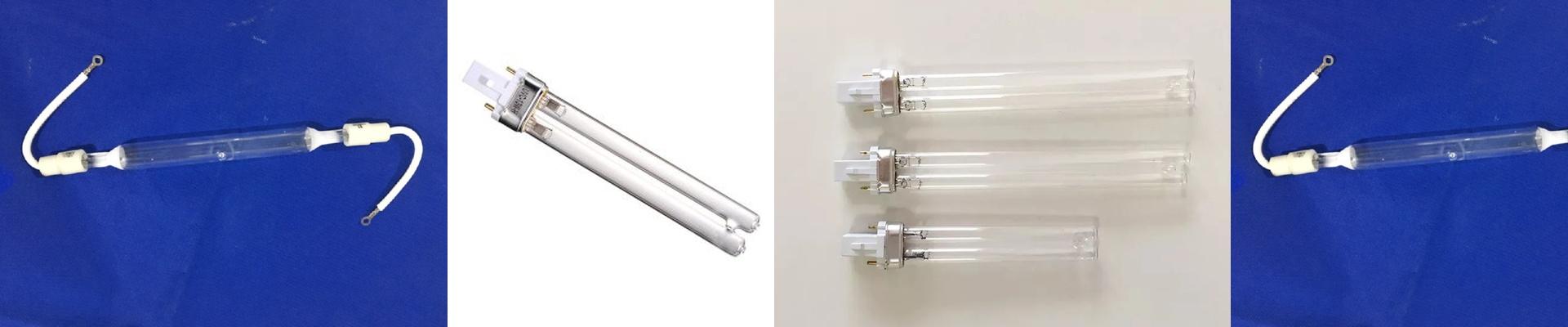
Getting the Most Out of Your 80W/cm Mercury UV Lamp
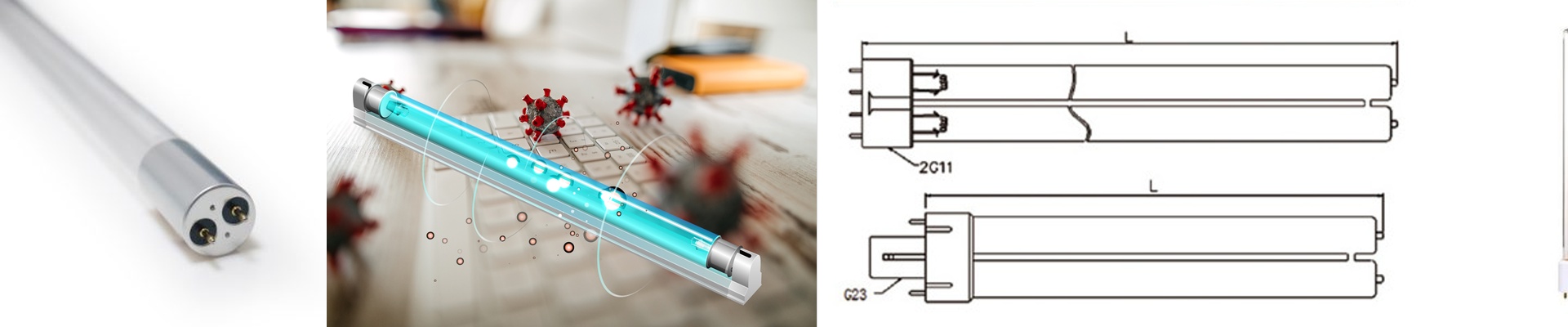
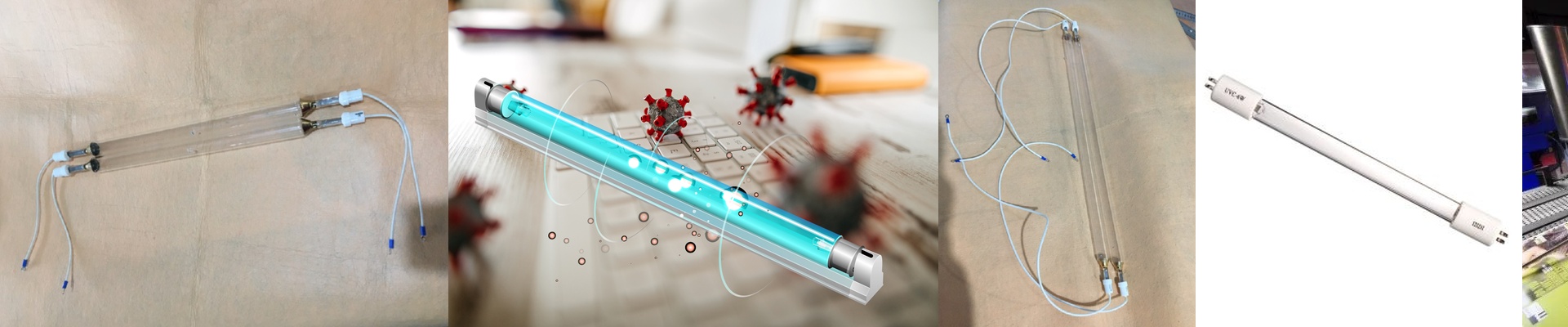
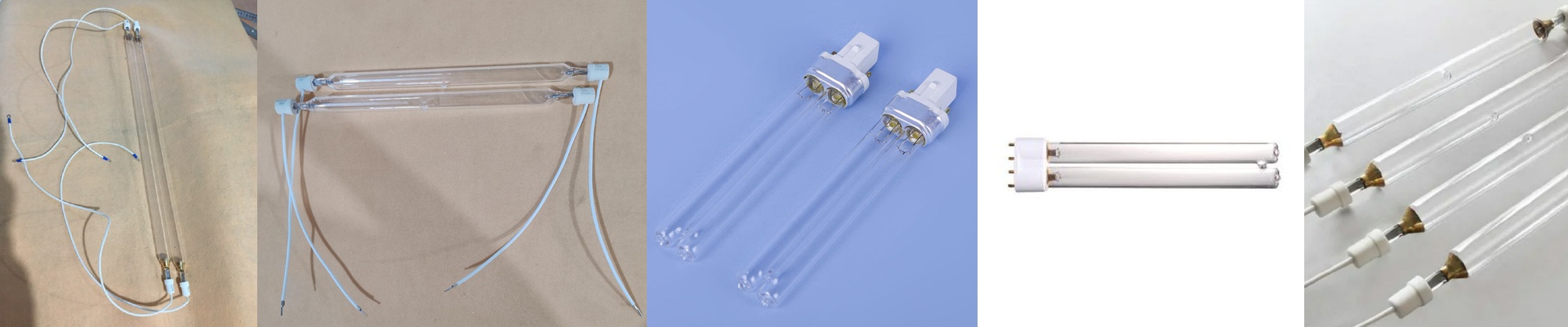
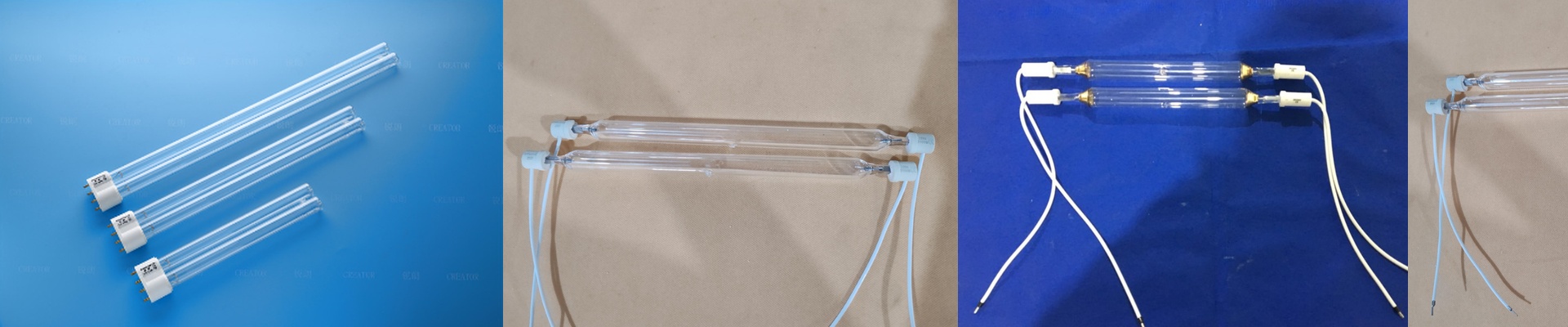
Let’s talk about the 80W/cm mercury UV lamp. If you’re using these for polymerization or sterilization, you already know they hit hard and fast. The goal here is simple: consistent power. We build these tubes so the UV dosage stays the same from one end to the other. Why? Because if the power dips or spikes, you end up with “wet spots” on your product. Nobody wants to pull a batch off the line only to find out it didn’t cure properly. Dealing with the heat At 80W per centimeter, these things get scorching. To stop the glass from cracking under that internal pressure, we use high-purity quartz. It handles the heat and lets the UV light through without any fuss. But here’s the thing: the lamp is only half the battle. Your cooling system has to do its part. If your air-cooling or water-jackets aren’t pulling that heat away fast enough, the quartz stresses out and the lamp dies early. It’s a bit of a balancing act. Sure, cranking up the wattage speeds up your production, but it puts a lot more pressure on your fans and reflectors. The legal headache nobody mentions Here is where a lot of people get tripped up. It’s easy to buy a lamp based on a spec sheet, but the real magic is in the electrode design and the gas mix. We actually own the patents on how our lamps are built. That matters more than you’d think. If you export machinery using “copied” or generic UV tech, you’re playing a dangerous game. Customs in the US or EU can be brutal—they might seize your gear or hit you with an infringement lawsuit. When you use a supplier who owns their own IP, you aren’t inheriting someone else’s legal mess. Getting it installed The good news? These are designed to be drop-in replacements. They should slide right into most industrial lines without a fight. We’ve tweaked the electrodes so they can handle being turned on and off quickly without burning out. Just double-check your ballast. If the operating current doesn’t match the lamp, you’ll either under-drive it or fry the electrodes in a few hundred hours. One last tip: keep your wiring clean and make sure the connectors are tight. You really don’t want to deal with arcing in the middle of a shift.