Introduction
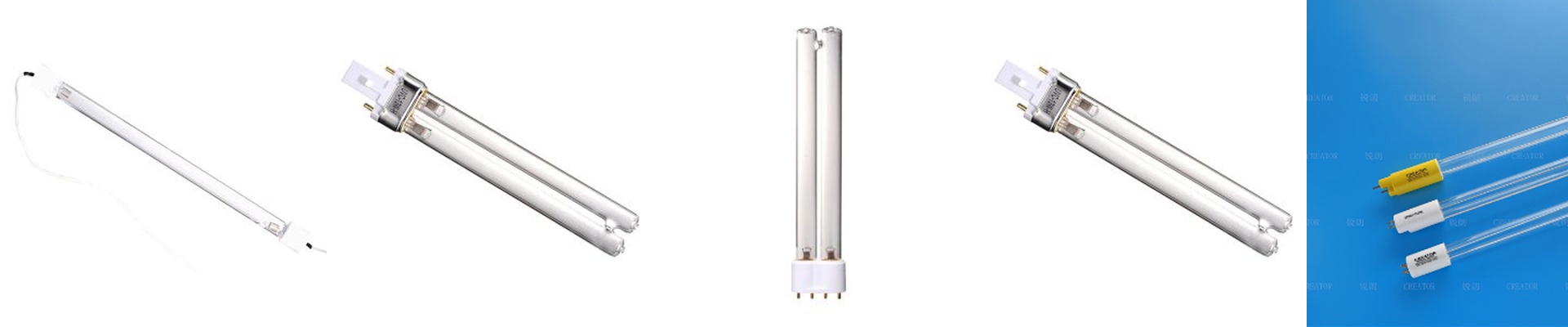
Let me tell you about the lamp we built for one of the toughest places on earth: a printing plant. Picture a shop floor where big presses are running nonstop. The air hums with inverters and motor drives, and the electrical grid is crowded with noise. We designed this mercury UV lamp to ignore all that chaos and just do its job—consistently.
Power and Stability: The Heart of It
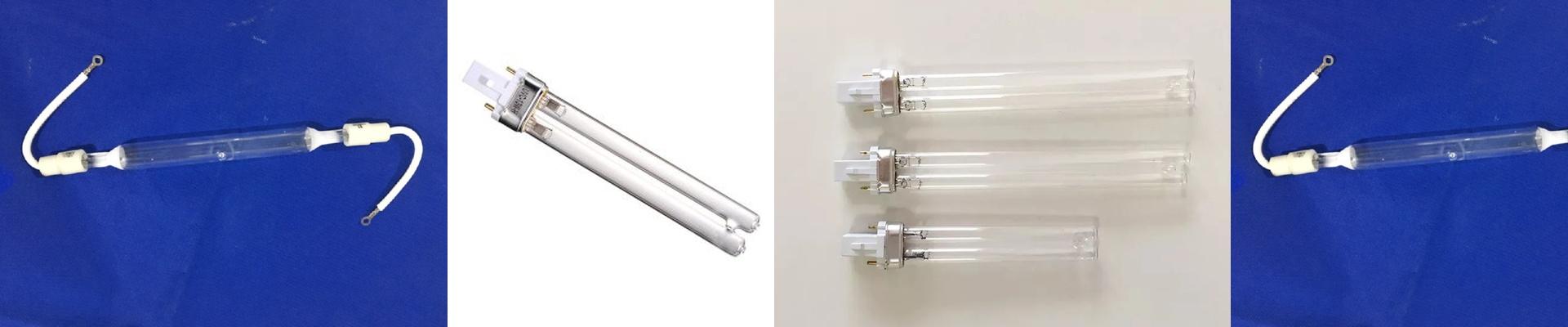
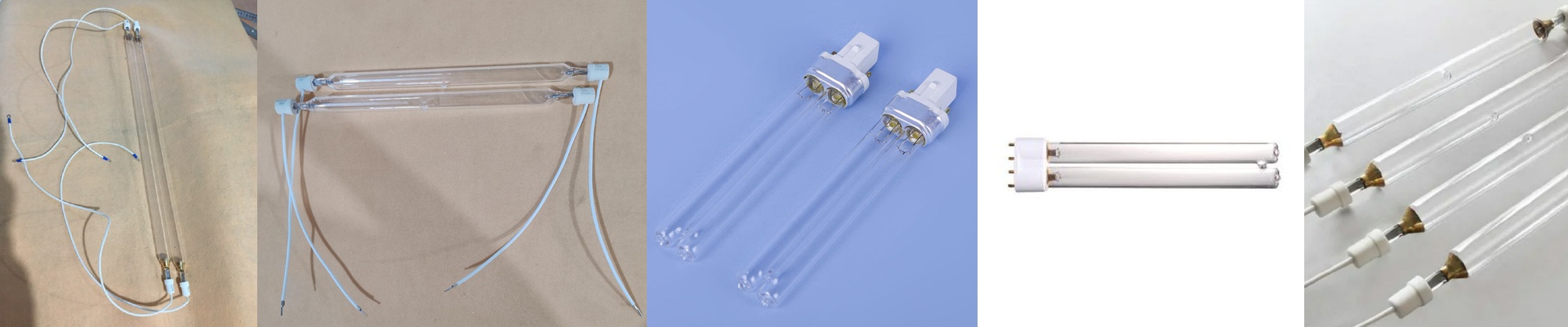
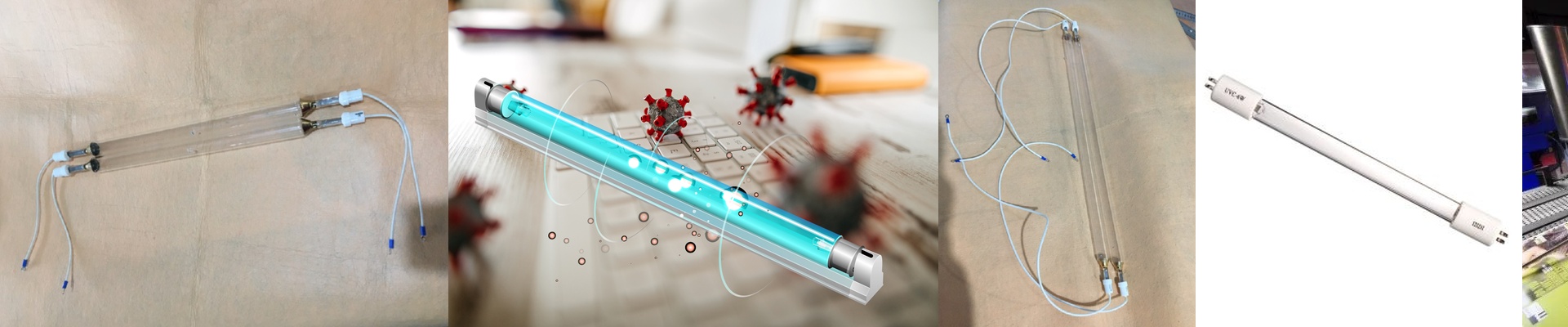
Here’s the thing: stability doesn’t happen by accident. We built this lamp to run on 400V, which gives it a wider comfort zone when other machines are causing voltage swings. That power feeds a 2500W output, giving you the punch you need to cure inks and coatings instantly. And the size? Thoughtful. The tube is 300mm long, so it slips right into what you already have. No modifications. Just a true drop-in replacement. But power like this comes with a trade-off. It runs hot, so you need cooling that’s up to the task. If your enclosure doesn’t have decent airflow, the lamp will cook itself and shorten its own life.
The Anti-Interference Build
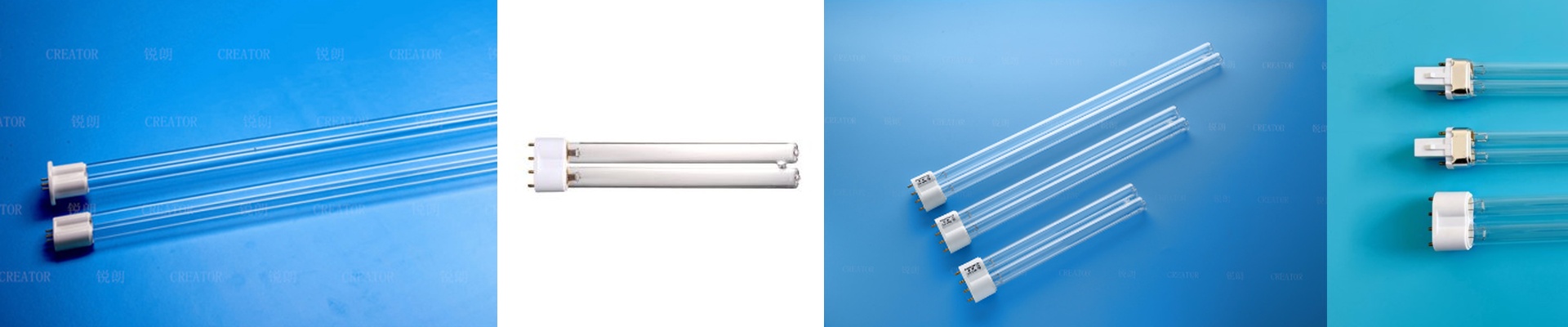
We chose a high-purity quartz tube to hold the mercury-free alloy. Why? Because it handles heat swings without flinching and keeps UV transmission steady, even when temperatures jump around. Inside, the coating is tuned to filter out electrical harmonics—those stray signals that can wreck arc stability. And the connector? Critical. We went with an R7s base for a solid, low-resistance contact. A loose connection is the fastest way to burn out a UV lamp in a noisy electrical environment. This one stays tight, preventing flicker and micro-arcing.
What This Means on a Real Shop Floor
Imagine your plant is running several large presses at once. The electrical backbone is under constant strain. Standard lamps start to misfire or dim when nearby drives ramp up. Not this one. It holds its output steady, no matter what else is happening around it. That translates into fewer stops, consistent curing speed across all your lines, and a feeling of calm when the pressure is on. You wire it in once, and it just performs. Predictable uptime. Less maintenance. Even when the plant is maxed out.