
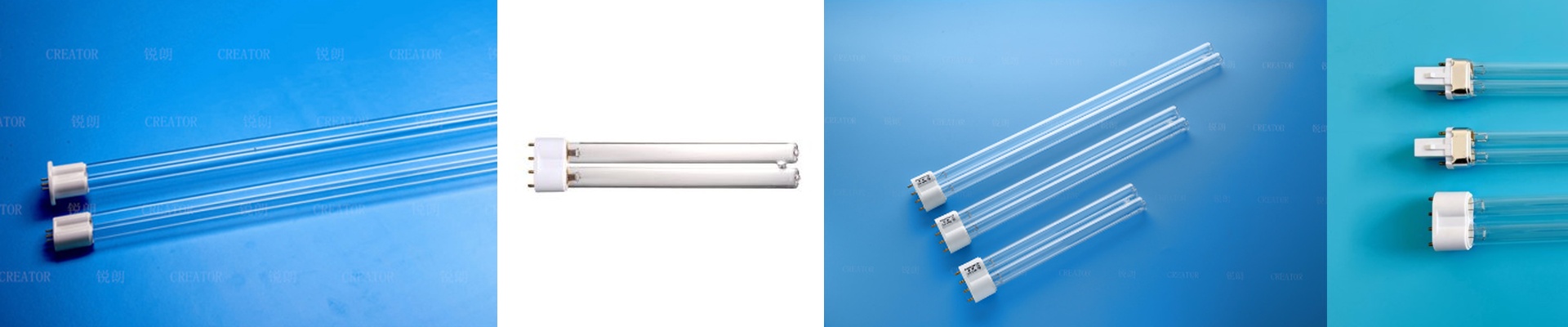
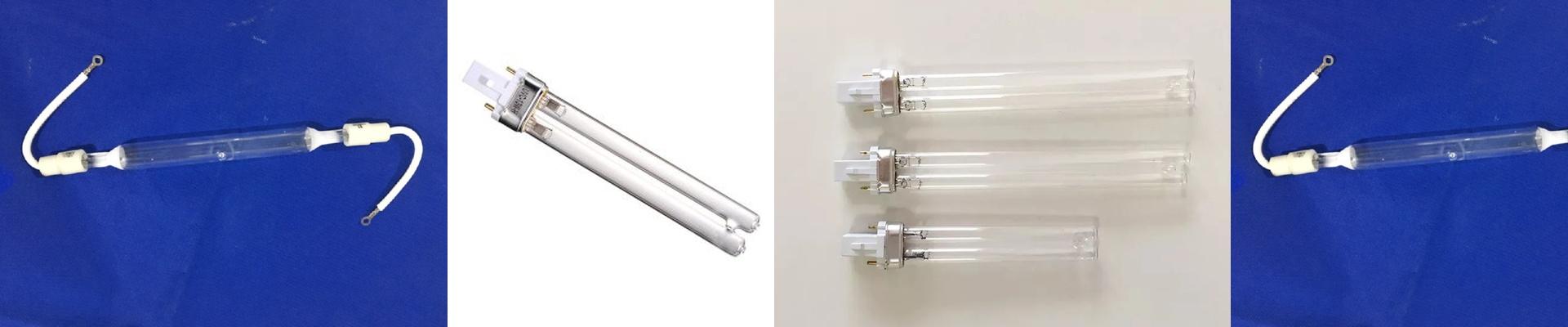


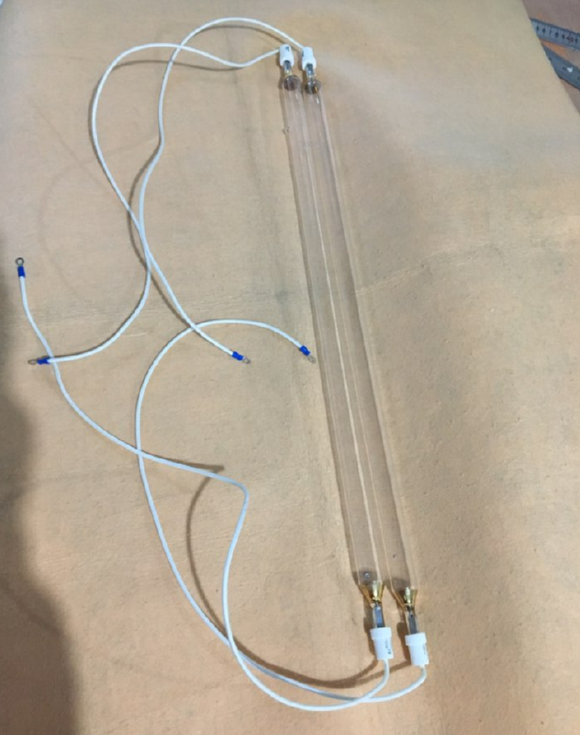
15 Years of Getting UV Lamps Right
For a long time, we just did the white-label thing—selling other people’s gear. But over the last 15 years, we got tired of that. We wanted to build UV curing systems that actually held their own against the biggest names in the world. Most shops will just point you to a catalog and tell you to pick a part. We don’t do that. We look at how fast your line is moving and what you’re actually curing, then we build the lamp to fit that specific job.
It’s all about the energy dose
Think of UV curing less like “turning on a light” and more like delivering a precise punch of energy in a tiny window of time. If you’re running a high-speed PET line, you can’t afford to be “close enough.” You need high-intensity output so the material polymerizes fully before it zips past the lamp. To make that happen without burning the lamp out, we spend a lot of time tweaking the gas fill and the electrode spacing. It’s a balancing act. You want maximum power, but you don’t want to kill your equipment in a month.
Keeping things cool (and intact)
We use high-purity fused quartz for the envelopes. Why? Because when you’re pushing high wattage, the thermal stress is brutal. Cheaper glass cracks. Ours doesn’t. And if you’re worried about scorching your substrate while you’re trying to cure the ink, we can add coatings to filter out the wavelengths you don’t need. Regarding the fit: we offer standard R7s or Sk15 connectors. They’re designed to be drop-in replacements for most industrial rigs, so you aren’t spending all day rewiring your floor. One heads-up, though. If you cram more wattage into a smaller footprint, things get hot. Fast. Just make sure your cooling fans or water jackets can handle the extra heat, or you’ll be replacing your lamps way too often.
Built for the factory floor
Factories are loud, dirty, and tough on gear. We build these to take a beating. The biggest nightmare in this business is a lamp that flickers or drifts. One tiny dip in output and you’ve just ruined a whole batch of parts. That’s a costly mistake. We stop that by being obsessive about the raw materials and the precision of the welds. We make sure the output is steady from one end of the tube to the other. You just wire it up, set your timer, and trust that the cure is uniform every single time.