The real story behind UV germicidal lamps
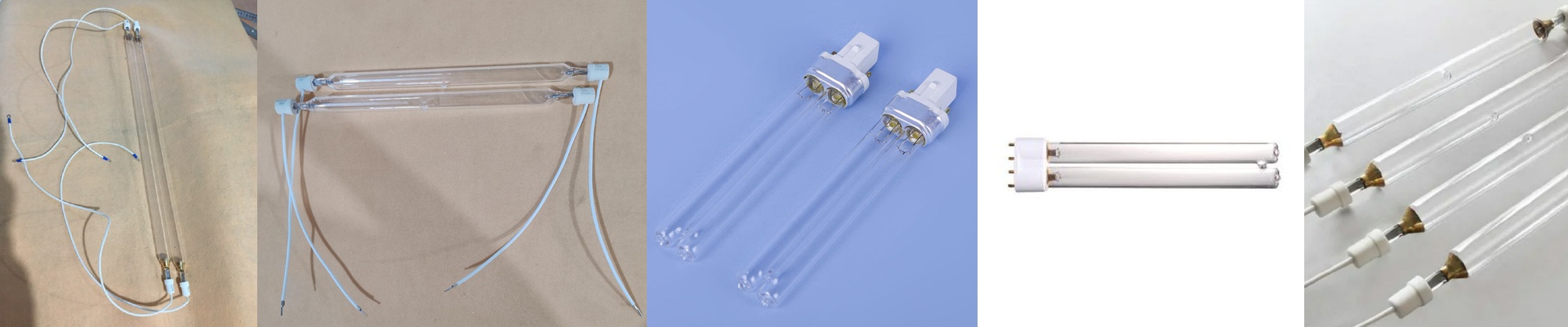
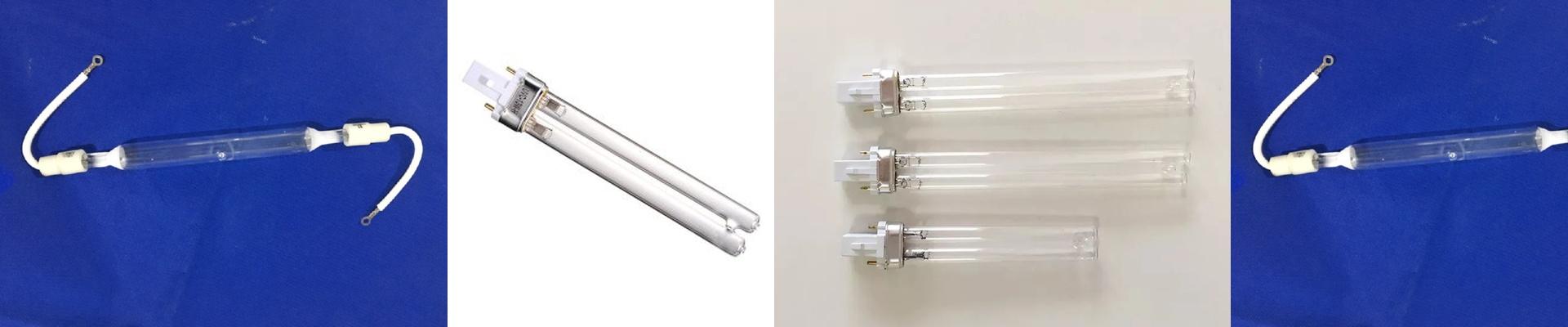
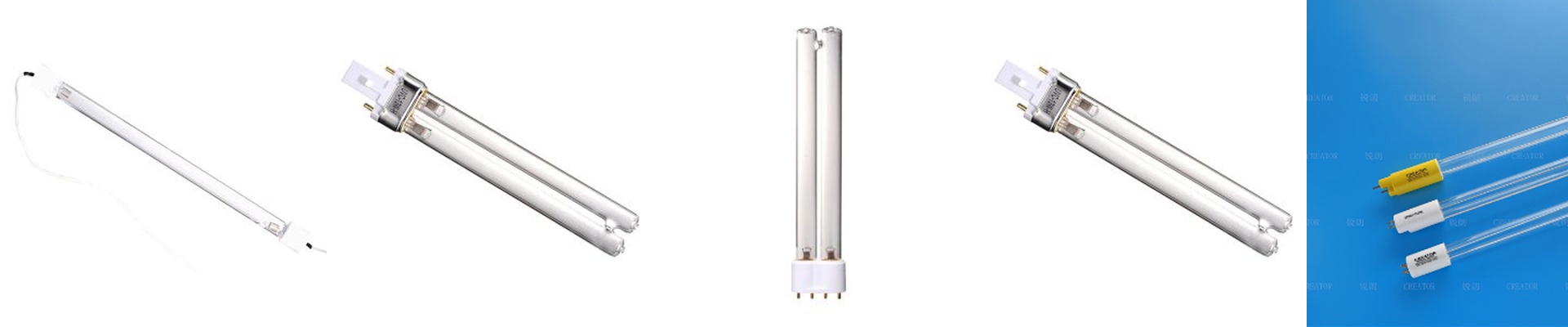
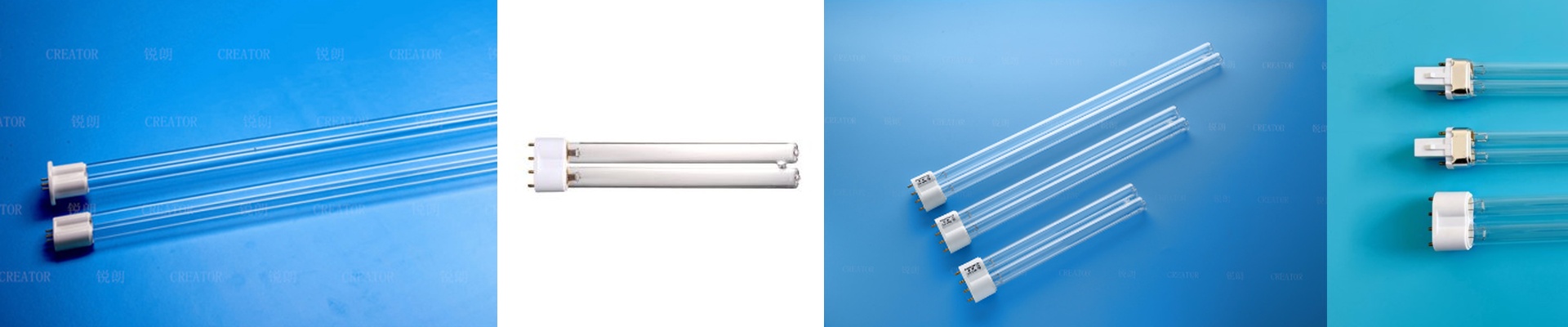
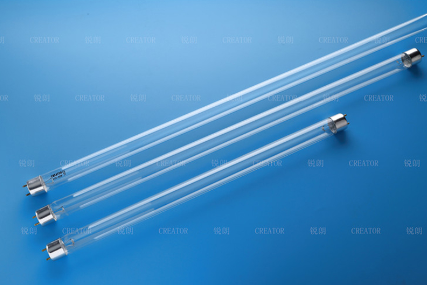
We build UV germicidal lamps for industrial disinfection, and let’s be honest—the tech comes with real risk. Out here, the big tug-of-war is simple: keep the price fair, but never cut corners on what it takes to run safely, again and again. Those specs aren’t random. They’re chosen for one job, and one job only. If a lamp is meant to hit 253.7nm, it needs power delivered just right—often 2500W or 3000W—so it can flood the space with enough photons to stop microbes in their tracks. That kind of power density means the electrical side has to be tough, usually running at 220V or 400V so the voltage doesn’t sag when the load hits. And the size? A 1500mm length isn’t by accident. It’s built to slide right into standard industrial chambers, so you can swap it in without overhauling the whole setup.
Where the rubber meets the road (and the budget)
The quartz body is one place you can’t negotiate. It has to handle the shock of rapid on/off cycles and keep letting UVC through without breaking down. And those connectors—whether it’s R7s or Sk15—are picked because they stay stable at high heat and hold their grip even when things vibrate. Here’s where the cost-quality seesaw shows up on the floor. Cheaper lamps skimp on quartz purity or use weak connectors. The result? They burn out early or put out inconsistent light. We keep costs in check by tightening up the whole supply chain, from raw quartz to final assembly. But we don’t trade away the parts that matter for safety. A failure here isn’t just a dead lamp. It’s a real hazard.
Power, heat, and keeping everyone safe
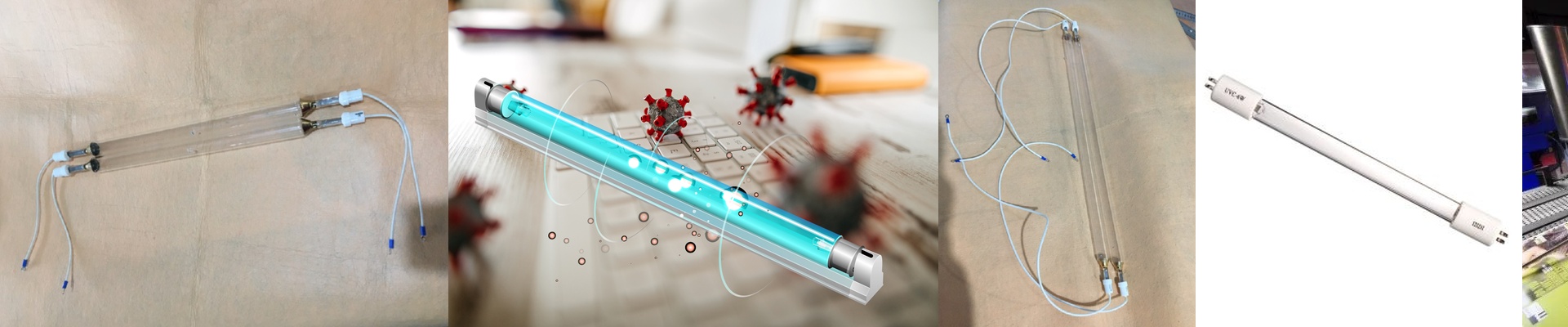
Yes, the main job is sterilization. But behind the scenes, the real focus is risk control. These lamps throw serious intensity, so safety has to be baked in. The quartz envelope holds the mercury vapor, but it doesn’t block harmful UV. That means the lamp has to live inside a shielded environment—because protecting the operator is non-negotiable. The trade-off for all that power is heat. A 3000W unit cranks out a lot of it, so the cooling system around it has to be up to the task. If the cooling falls short, the lamp’s output dips, and the whole assembly starts running too hot. We build the lamp to perform. But you’ve got to match it with a system that can handle the heat and the electrical demand.