Introduction
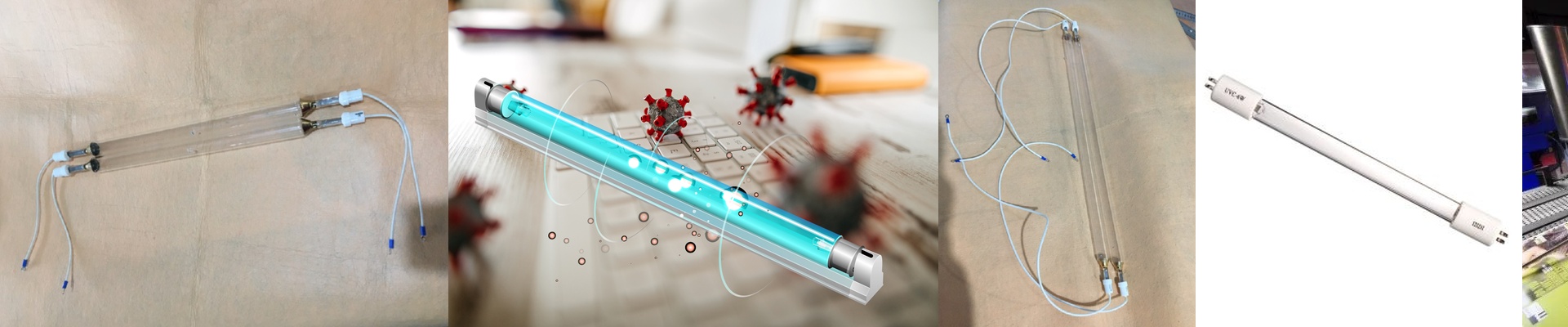
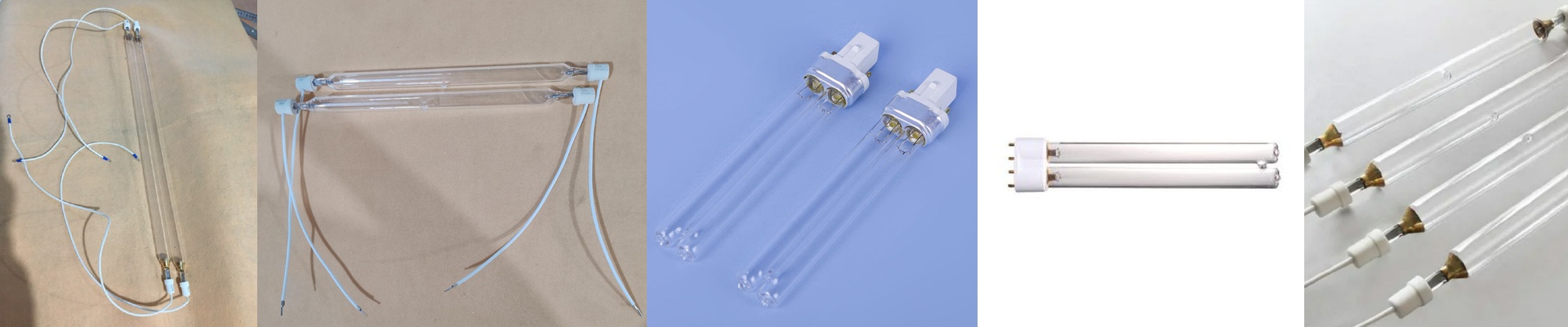
We make low-pressure UVC lamps for the places where the work is serious—industrial duty, where performance and compliance aren’t “nice-to-haves.” They’re mandatory. And that CE mark? It’s not just a sticker. It’s proof, in black and white, that the lamp you’re installing meets the safety and emissions standards expected by demanding markets worldwide. If you want a lamp that performs on paper and holds up in the real world, CE isn’t an afterthought—it’s baked into the engineering.
Power, Voltage, and Size: The Real-World Details
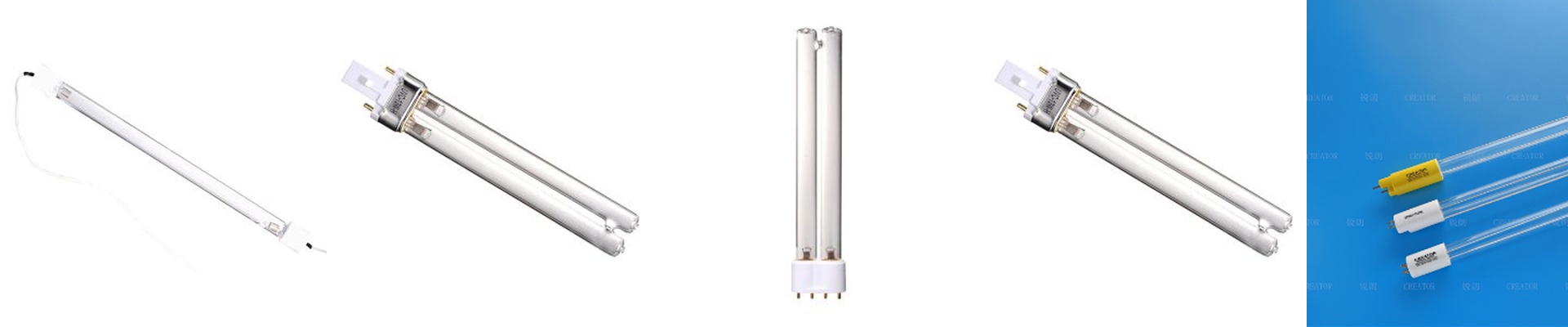
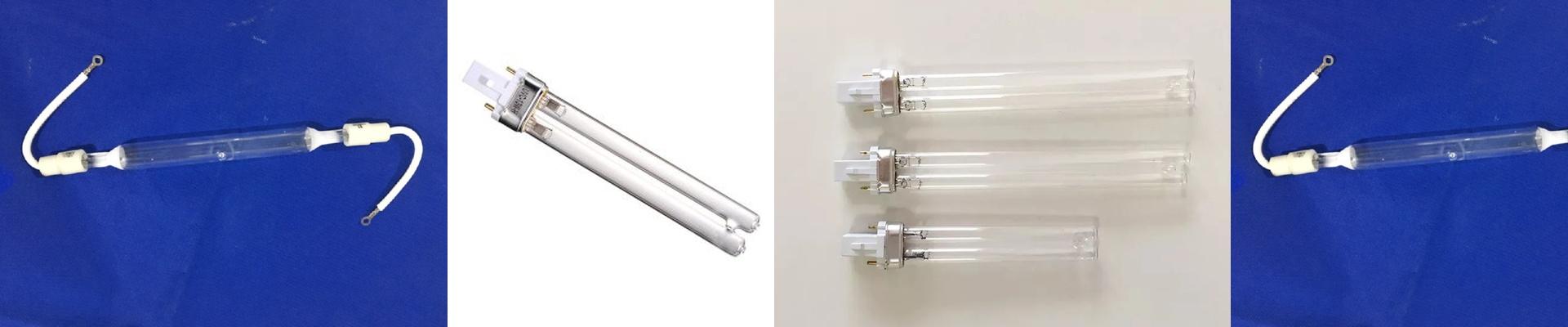
Low-pressure UVC lamps run on steady, predictable physics. We match the electrode size, gas fill, and ballast so the output stays consistent over the lamp’s life. Get the voltage and wattage right, and the lamp runs at the temperature and intensity it was designed for. Miss the mark—wrong power, wiring that’s too small—and you’ll burn out electrodes early and watch UV output drop. Here’s the nice part: when a lamp is engineered for CE compliance, it’s also engineered for repeatable behavior—stable arc length, predictable warm-up, and clear operating limits. On the shop floor, that means you can plan maintenance instead of putting out fires.
Materials and Build: Where Reliability Gets Made
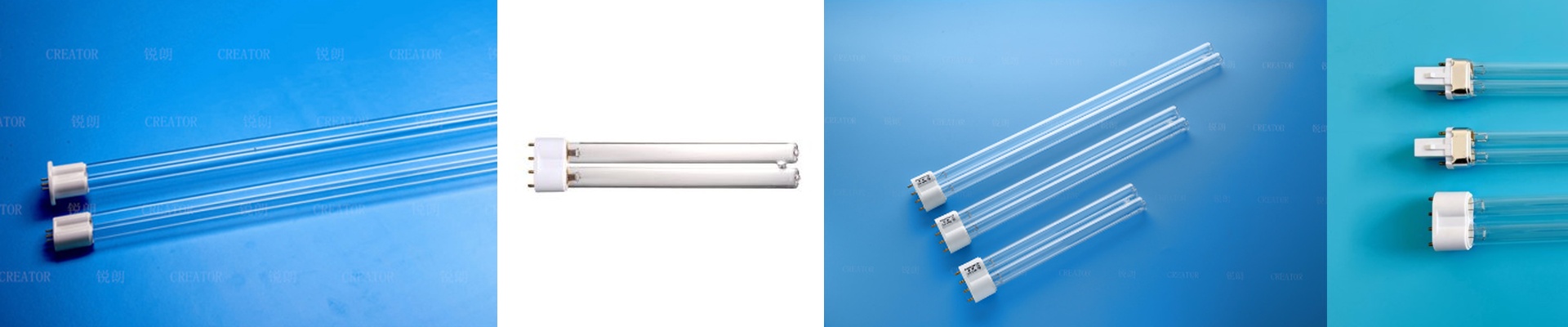
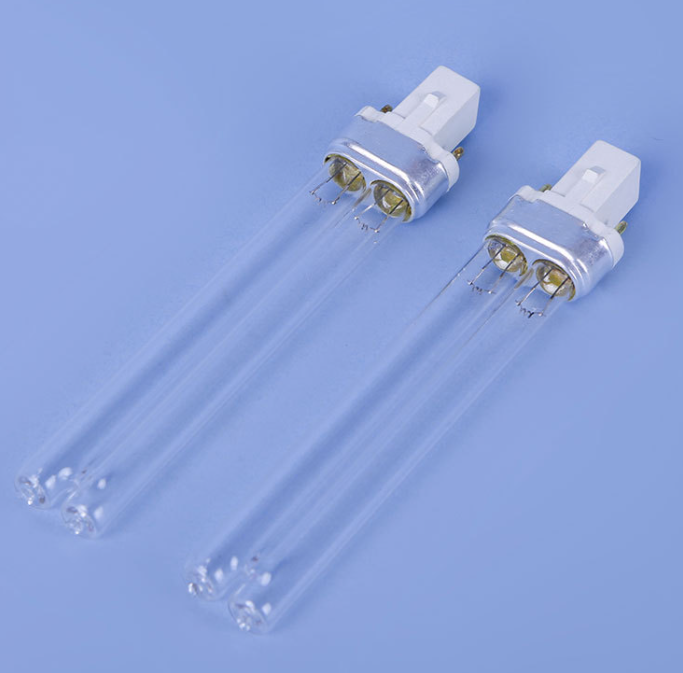
UVC comes out at 254nm, and the envelope has to do two tough jobs at once: transmit that output and handle serious heat and electrical stress. That’s why we use quartz. It handles thermal shock and keeps transmission strong where ordinary glass would fold. The internal coating? Not for looks. It stabilizes the discharge and protects the electrodes, which helps keep output from drifting over time. And the terminations matter just as much. The connector system is built to carry the required current and survive repeated heating and cooling cycles. Solid terminations mean fewer hot spots, fewer connection failures, and less unexpected downtime.
What This Means for You: Discipline That Opens Doors
CE certification forces discipline into the design process—risk assessment, component traceability, and test records that stand up to scrutiny. For you, that translates into a lamp that’s easier to integrate, easier to justify, and easier to defend when an audit comes around. It opens doors in Europe and helps you gain acceptance in other global markets where third-party verification is expected. Now, the trade-off: compliance adds engineering effort, and the lamp has to be installed within its rated conditions. Push it beyond the spec, and even a certified lamp will underperform. But treat it like what it is—a system component—and you get repeatable germicidal output with a service life you can count on.