Why We Put Stability First in Our UV Lamp Design
Picture a printing plant, humming with big machines. It’s loud, it’s busy, and electrical noise is just part of the background. For standard lamps, that noise is a headache. They flicker, they lose power, and the whole line has to stop. Our Nordson UV lamp parts were built to shrug all that off. We designed the system to hold a steady arc, even when heavy motors kick on and off nearby. No drama. Just consistent performance. We spec the electrical side to handle what actually happens on the floor. The lamps run on a voltage profile that keeps the arc rock-solid. So when the voltage dips, the output doesn’t. You get curing that repeats, cycle after cycle, without any dips or surprises.
The Build: Made to Handle the Heat
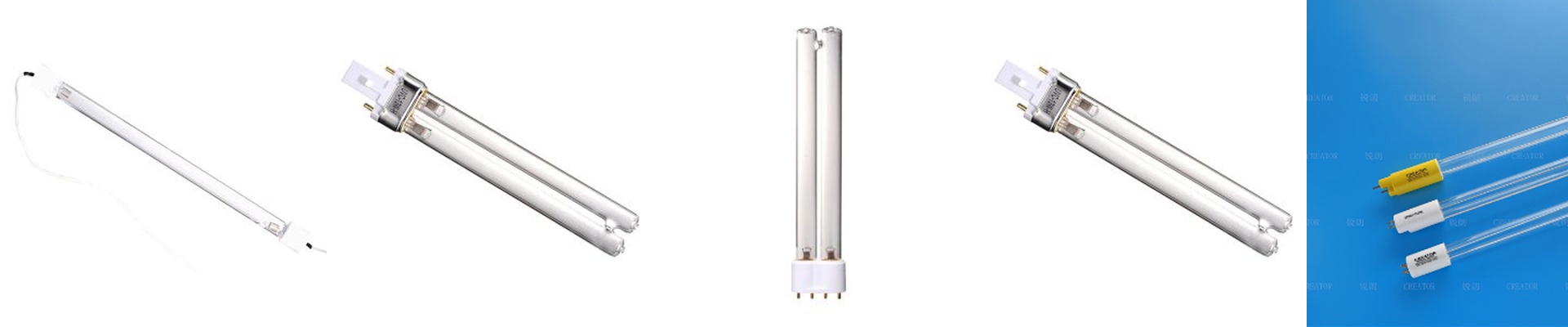
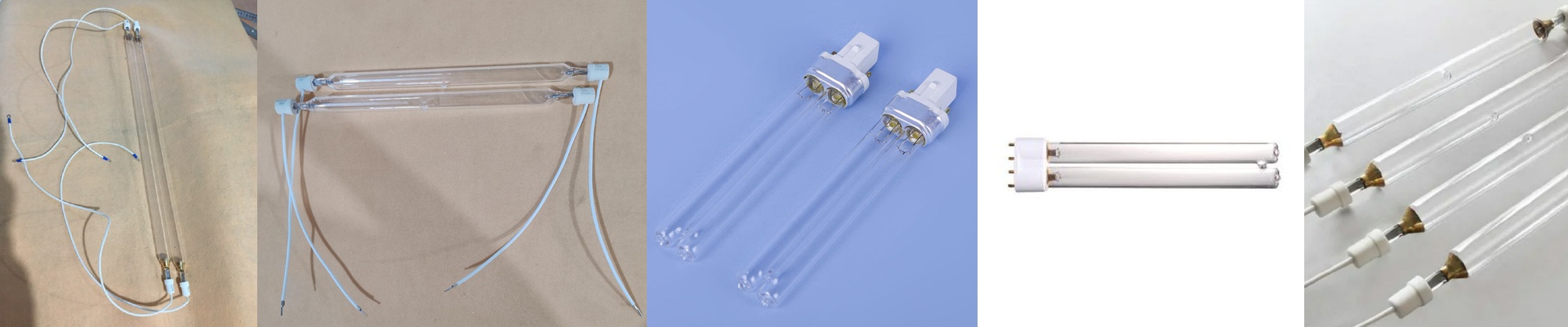
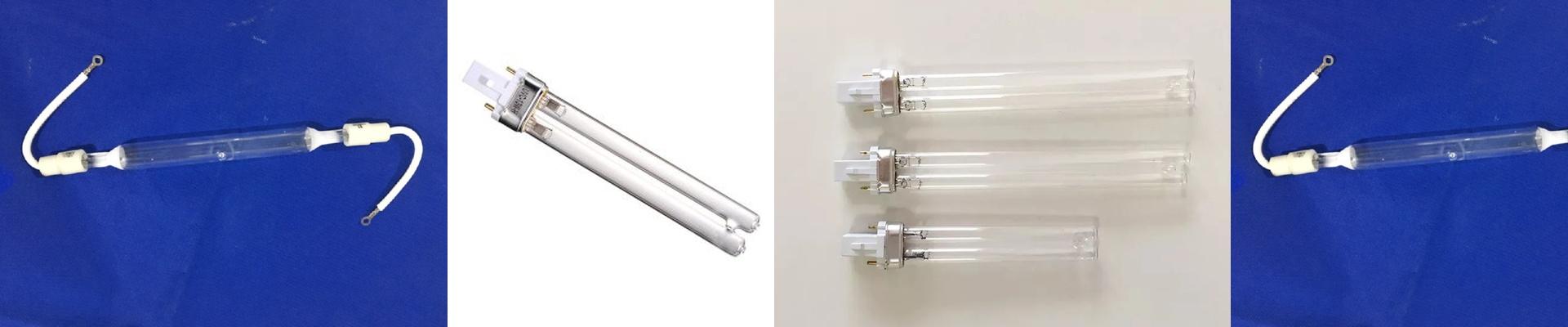
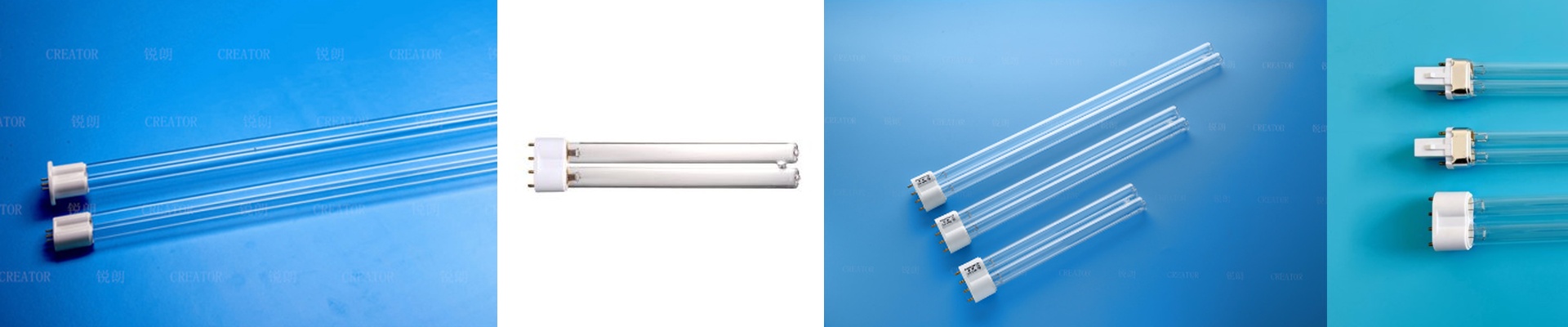
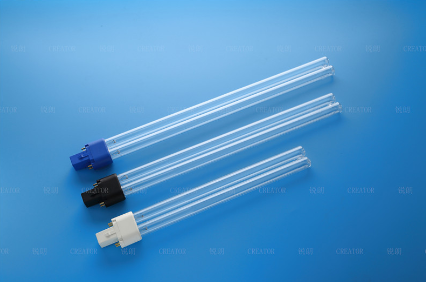
The body is a quartz tube, engineered for serious heat density. It can take the shock of fast on/off cycles without cracking. Inside, a halogen fill keeps the light output stable—exactly what you need when you’re curing different substrates. And that R7s connector? It’s not an afterthought. It locks the lamp in place and carries current with minimal resistance. A loose connection is a common failure point. Our design removes that worry. You wire it up, and you trust it to run—for thousands of hours.
Running Clean, Even in a Noisy Plant
In a plant packed with machines, electromagnetic interference is unavoidable. So we shield and ground the lamp parts to reject that interference. The ignition stays clean, the operation stays clean, and you avoid the random flickers that can ruin a print run. Now, the trade-off is heat. A high-output UV lamp throws off a lot of it. That means your machine’s cooling needs to be up to the job. If the cooling is undersized, the lamp’s life will shrink. But match the cooling to the lamp, and you get a drop-in replacement that runs hard, day after day, without forcing the line to stop.
Built for the Floor, Built for Reliability
These lamp parts live where the work happens. They deliver stable curing even when other equipment is hammering the electrical line. The connector makes installation quick and solid. The quartz body takes a beating and keeps going. For engineers, that means fewer unexpected stops and output you can count on. That’s what reliability feels like in practice.