


The Invisible Muscle Behind Your Clothes: UV Systems in Textiles
You’ll never see them in a clothing store, but UV lamps are the real heavy lifters in textile plants. We build these systems to handle the dirty work—everything from prepping the raw fibers to locking in the final print. The science is actually pretty straightforward: high-intensity UV light hits the polymers and triggers a reaction. It basically turns liquid resins into solid films in a heartbeat.
Getting the Power Right
When we’re setting up a line, it’s all about the math of irradiance. If you’re printing at high speeds—say, 50 meters per minute—you can’t mess around. You need high-wattage mercury or LED arrays. If the power is too low, you get “under-cure.” That’s a nightmare because the ink just peels right off. But you can’t just crank the dial to eleven. If you push too many watts without a solid cooling jacket, you’ll scorch the fabric. It’s a delicate balancing act between raw power and not melting your materials.
Built for the Chaos of the Shop Floor
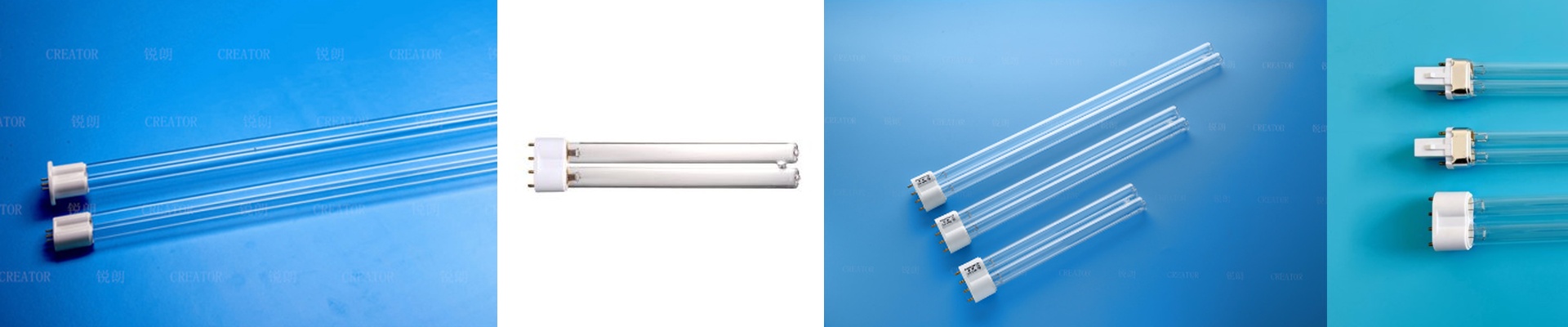
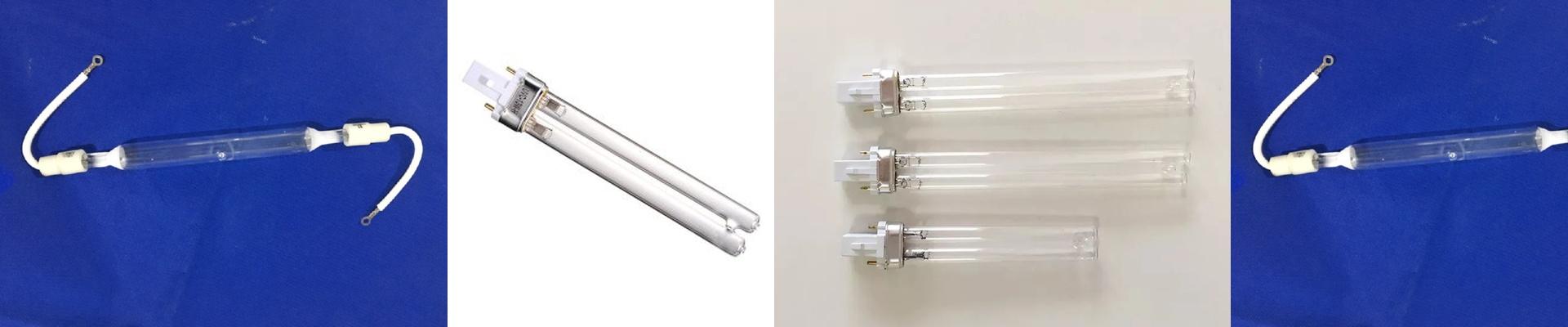
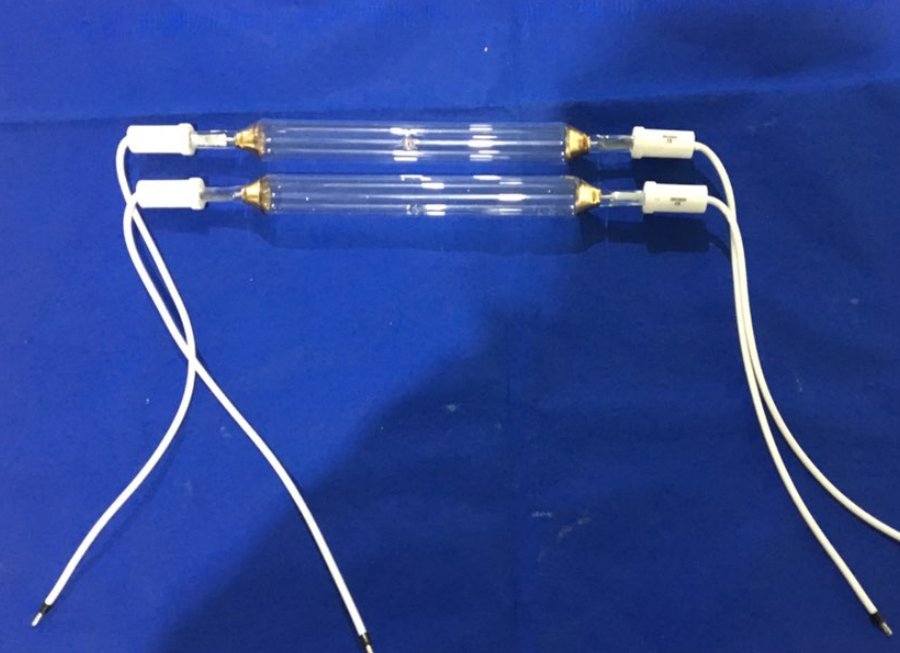
We use quartz glass for the lamp envelopes because it lets the UV radiation through without soaking up the energy. Industrial environments are rough. Things get bumped. Dust happens. That’s why we make our housings “drop-in” replacements. If a tube burns out, you just swap it. You don’t have to spend half your day recalibrating the height of the entire conveyor belt. We also use specific reflectors to aim the light straight down. It stops energy from wasting away and keeps the factory floor from feeling like a sauna.
The Trade-offs
Switching to UV curing means you can toss those massive thermal ovens. It saves a ton of space. Plus, you don’t need giant ventilation systems to suck out smelly solvent fumes. Here’s the catch, though: the electrical load. High-power UV lamps are picky. They need stable voltage. One bad surge and you’ve blown your electrodes. To keep your lamp life consistent over a 10,000-unit run, you need a clean, steady power supply. No shortcuts.