Long-Life Mercury UV Curing Tubes: Specs, Design, and Real-World Performance
We built these long-life mercury UV curing tubes for one simple reason: to keep your printing or textile finishing line humming at full speed. No more stopping every few months to swap lamps. Think of it as a stabilizer for your whole process, not just another spare part.
Power, Voltage, and Size—Kept Real
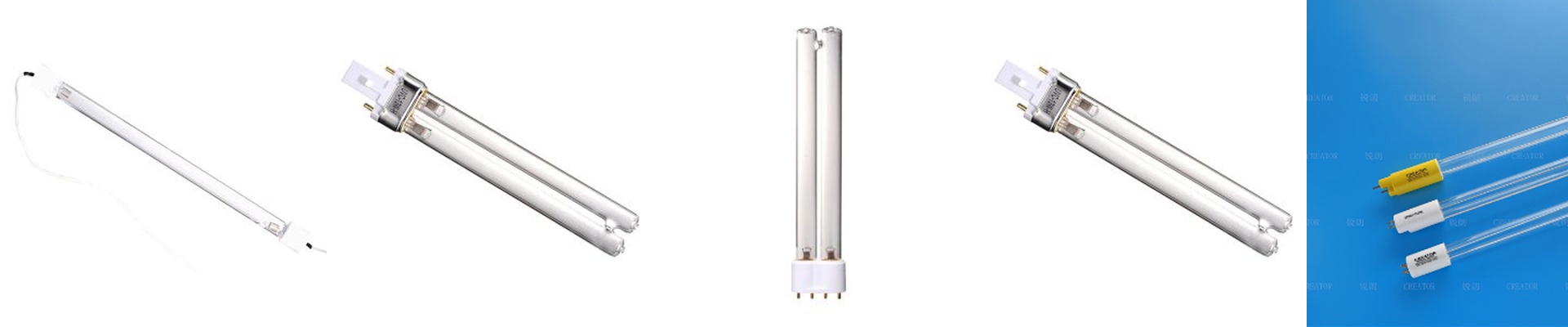
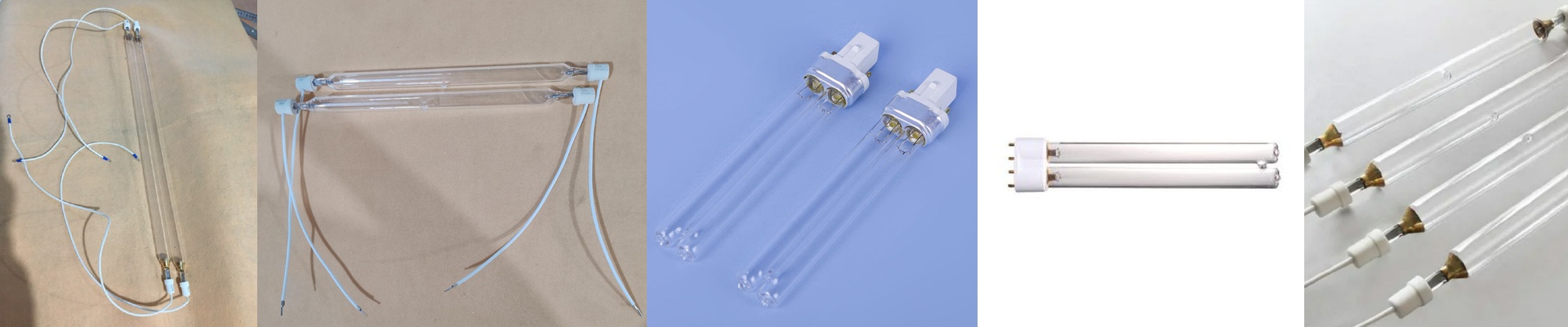
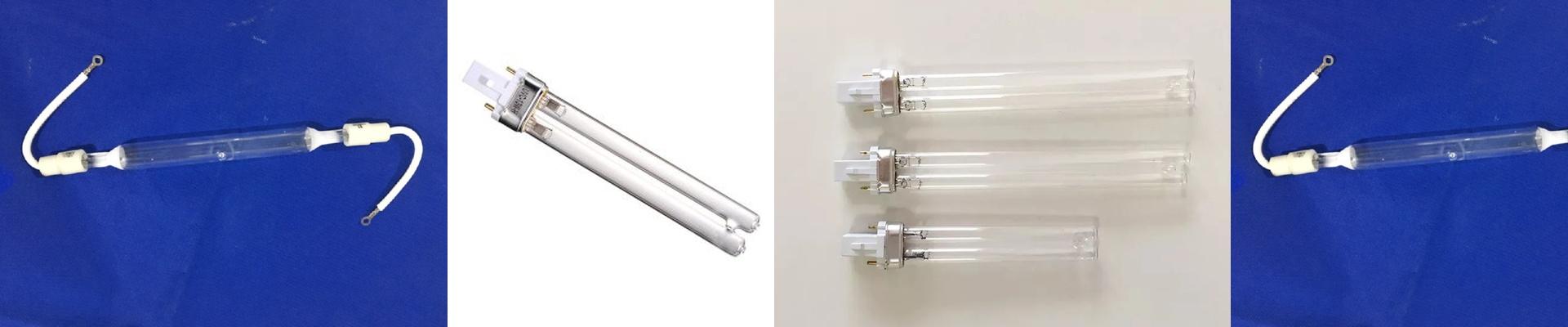
At the heart is a high-intensity mercury arc that throws out the UV needed to cure inks, coatings, and adhesives in seconds. We pair it with a high-voltage design—usually around 400V—so the arc stays steady even when your line load jumps around. Wattage scales with tube length, so you get even irradiance across the whole target width. No hot spots. Just consistent, reliable curing. And size? It matters more than you’d think. We stick to a standard length (often 300mm) and set the arc gap precisely, so the energy hits the substrate, not the reflector housing. You get a compact footprint with serious power density.
Materials and Design—Built to Last
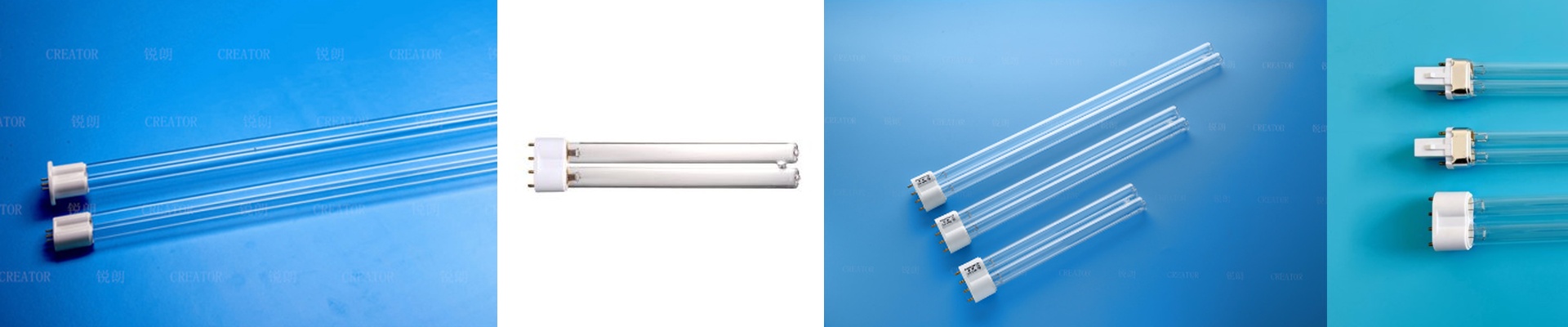
The arc tube is quartz, because it transmits UV like a champ and shrugs off thermal shock. We add a proprietary coating that shapes the UV spectrum and keeps the arc stable, so your results repeat hour after hour—thousands of them. That long-life build cuts down on the usual failure points: less blackening, fewer hot spots, and output that declines predictably. Then there’s the R7s bi-pin connector. It’s a deliberate choice. It locks the lamp in place, giving you solid mechanical and electrical contact. Less resistance. Less heat at the joint. Less voltage drop. And when it’s time to replace it? Tool-free. Quick. Done.
Real-World Use: Printing and Textile Finishing
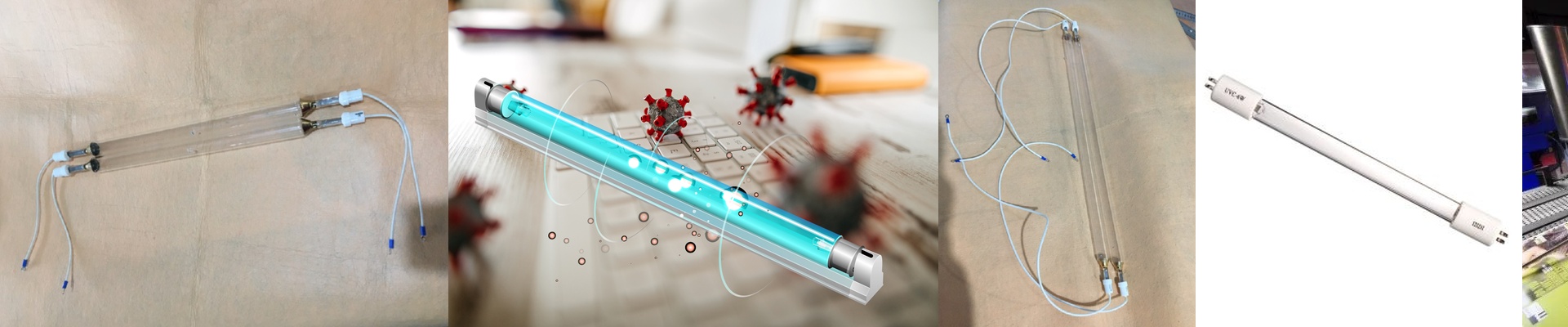
On the line, curing has to keep up with your speed. These tubes pack a lot of UV intensity into a small footprint, so you can push through faster without overcomplicating the machine. You get stable curing across ink layers and consistent results on coated substrates. Here’s the trade-off: high power density needs proper cooling. If your reflector and housing aren’t ventilated to spec, the lamp runs hotter—and that shortens its life. These tubes are designed as drop-in replacements for common fixtures, but your cooling setup has to match the wattage. Get that right, and you’re set.