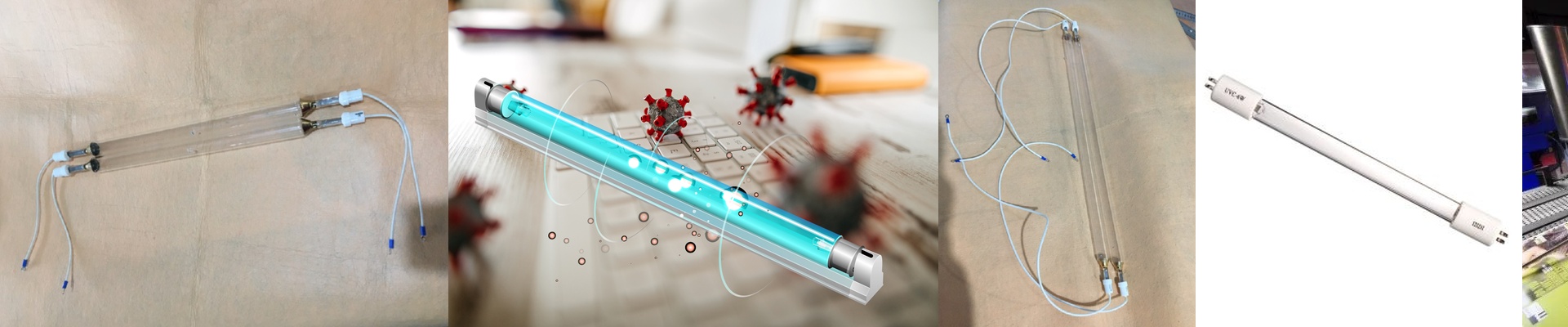
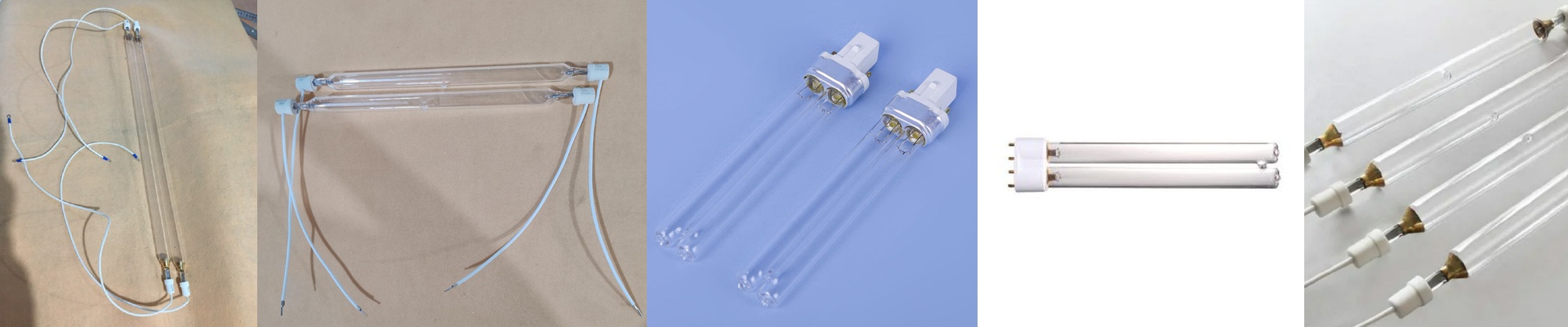
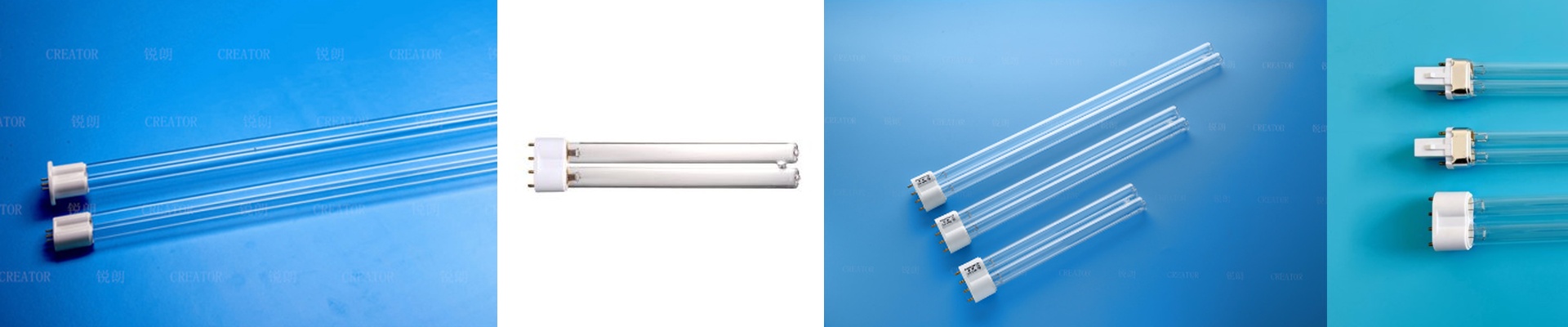
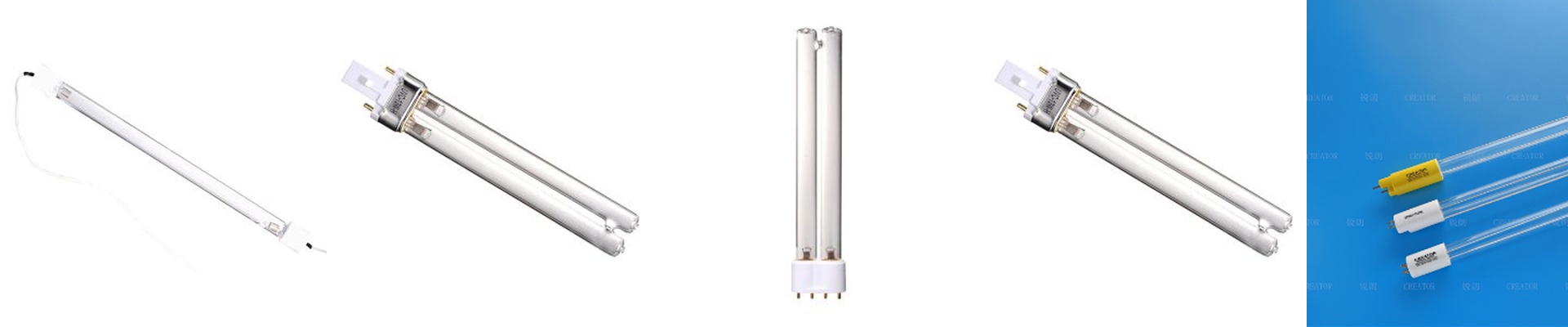
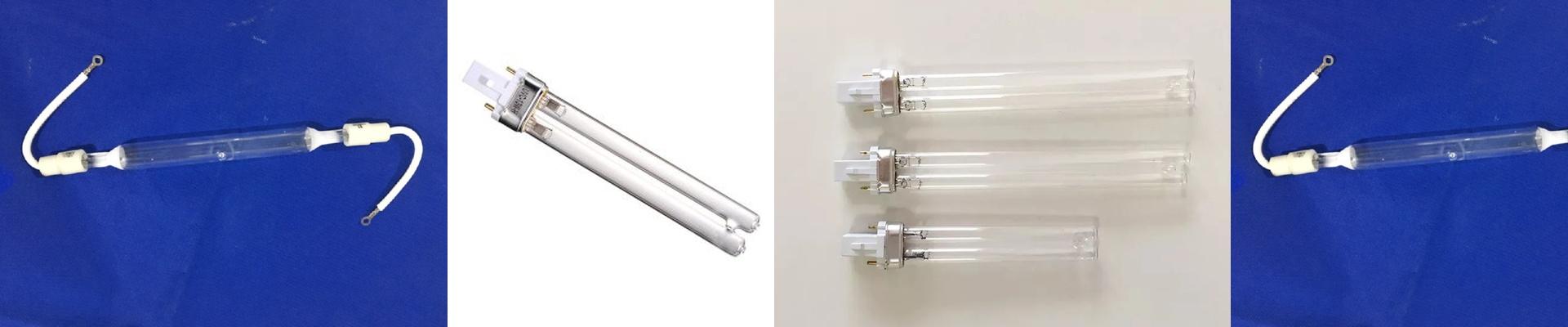
On the press, a UV spot cure isn’t a “nice-to-have.” It’s the gatekeeper for throughput and color consistency. A weak strike, spectral drift, or a lamp that falls off early turns repeatable work into a guessing game—and that bleeds minutes, materials, and margin. We spent 15 years tuning our UV spot curing lamp so it acts like a fixed process parameter, not a wild card. What matters on the floor is what you can measure, not what someone claims. Our high-pressure mercury vapor lamp holds stable spectral output right where offset, flexo, and screen inks need it—centered on the photoinitiator absorption bands, with tight spectral consistency across the arc length. Peak irradiance stays predictable because the reflector uses a dichroic coating tuned to the target wavelengths, and the fixture manages thermal load so junction temperature stays under control. The payoff is repeatable energy density at the substrate, with low spectral decay over time. We’ve got units running beyond 5,000 hours while holding output drop below 5%, and the warm-up behavior is engineered so your press run stays within color tolerance. Here’s the point: the lamp was built for production realities. On brand-critical work, the cure has to be repeatable job after job, substrate after substrate—no chasing drift. Consistent spectral output cuts dot gain and ink tack swings, speeds setup, and keeps makeready waste down. Energy use drops because the optical train delivers usable UV where it matters, not wasted heat. Fewer lamp swaps mean fewer stops, and fewer stops translate to more cycles per shift. A few practical notes. Match the lamp to the ink chemistry. A 365 nm peak is often the right call for many pigmented systems; 385 nm and 405 nm can be preferable when the formulation needs deeper photoinitiator response, or when you’re balancing surface cure with through-cure. Confirm reflector geometry and spot size so you hit the required irradiance window, and verify your substrate’s temperature limits—UV cure is fast, but heat still builds up. If you run in ozone-sensitive environments, specify the ozone-free quartz envelope option.