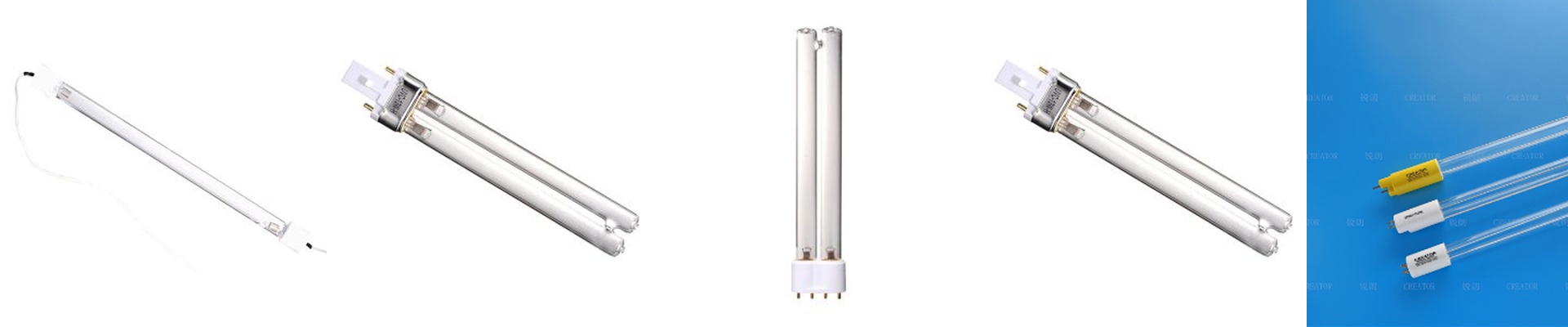
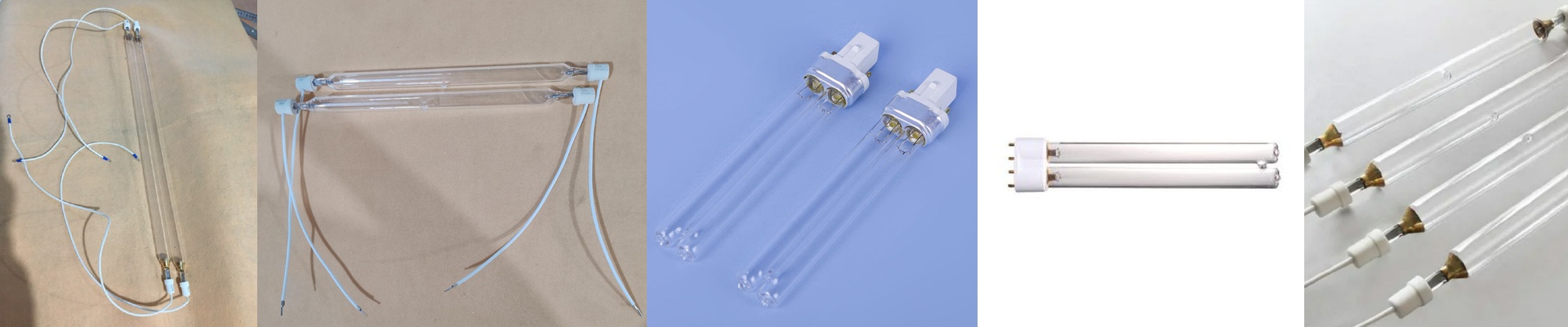
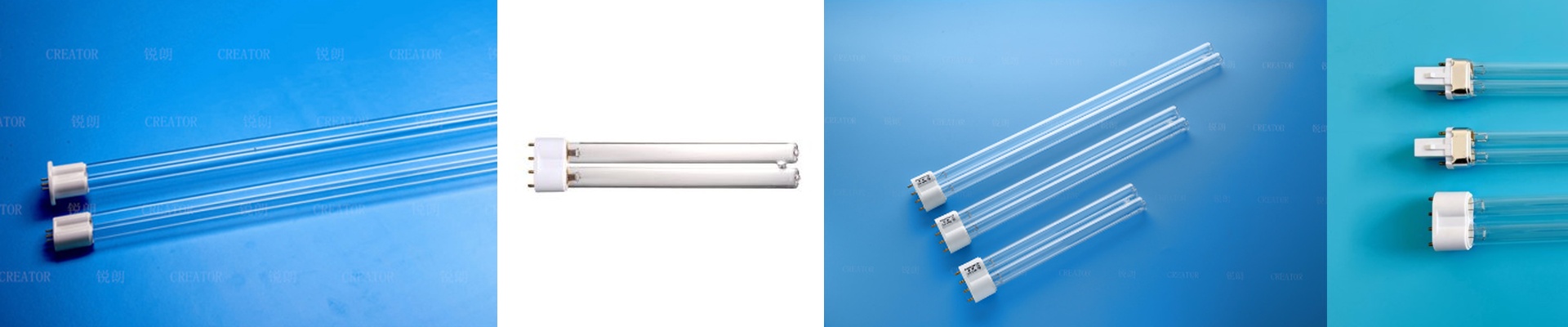
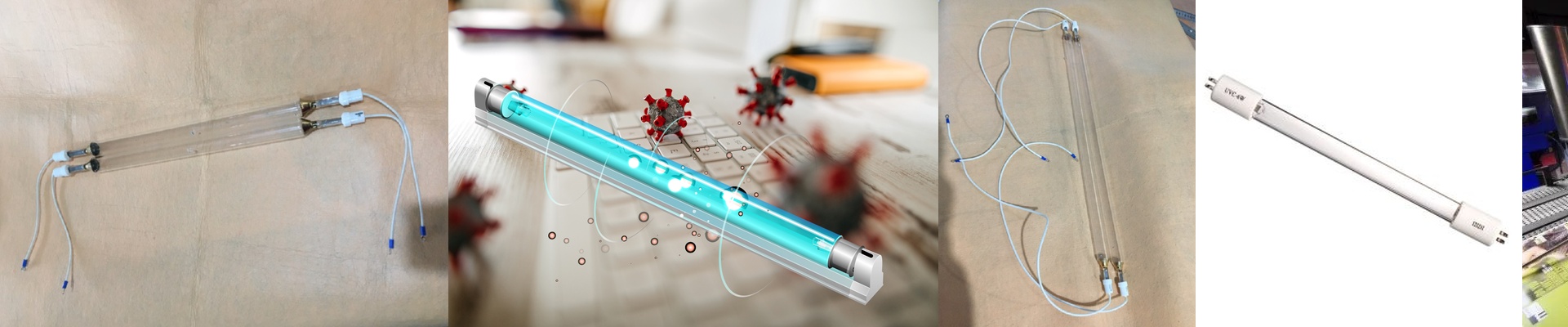
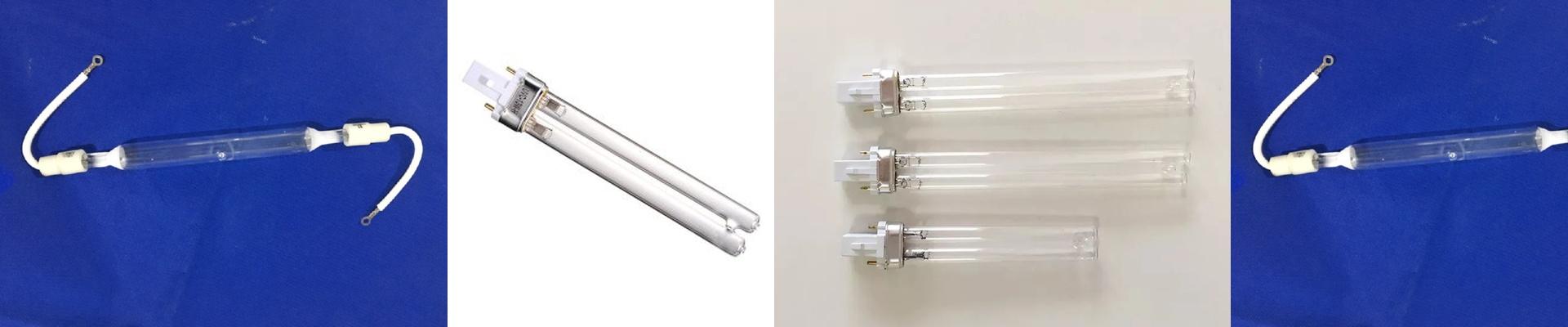
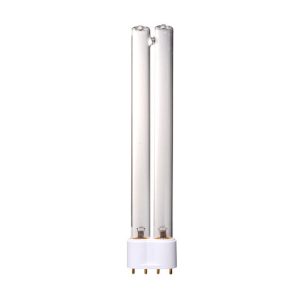
We build UV curing lamps for one simple reason: to give you a cure you can count on, every single time. Fast resin curing, with a heat profile that’s steady and repeatable. Because in jewelry work, shaky curing just isn’t an option. Weak cures and uneven hardening? That’s a one-way ticket to wasted time and ruined pieces. You need a lamp that hits the resin’s sweet spot—the exact wavelength it drinks up—and holds that temperature without wavering. Here’s the thing about the power setup. A UV lamp for jewelry resin is built to be intense, but in a compact footprint. The heart of it is the wattage density, usually in the 2500W to 3000W range, paired with a high-voltage supply to fire up the arc and keep it going. This isn’t a gentle, low-voltage bulb. It runs hot, and it runs fast. The tube length is chosen to match the curing chamber. A 300mm tube gives you a clean, defined zone of irradiance, so you can cure a ring setting or a small bezel without overspray. There’s a trade-off, though. More power means shorter cycle times, but it also means more ambient heat. So plan your airflow and thermal management with that in mind. The tube itself is quartz, not standard glass. Quartz handles the shock of rapid on-off cycles, and it transmits UV far more effectively. Many units add a proprietary coating to keep the output stable and filter out unwanted wavelengths. That way, the lamp targets the resin’s photoinitiators directly, instead of just heating the surface of your work. And the connector? On the shop floor, that choice matters. We use an R7s base—a proven, two-pin bi-pin design that can handle high current and gives you a solid mechanical lock. It’s a drop-in fit for many curing fixtures, so you can swap lamps in seconds without rewiring or messing with the reflector assembly. In jewelry resin curing, you need speed and consistency, all the way through the piece. Our lamp is spec’d with the right power and spectral output to cure thin layers fast, and to reach slightly deeper sections without overheating the work. The payoff is fewer rejects, faster cycles, and a process you can set once and then just trust. One reality check, though: high-wattage UV lamps throw off a lot of heat. If your enclosure is tight, you have to plan for cooling—forced air or a heat-sinked fixture—to keep the lamp performing steadily and to protect the components nearby.