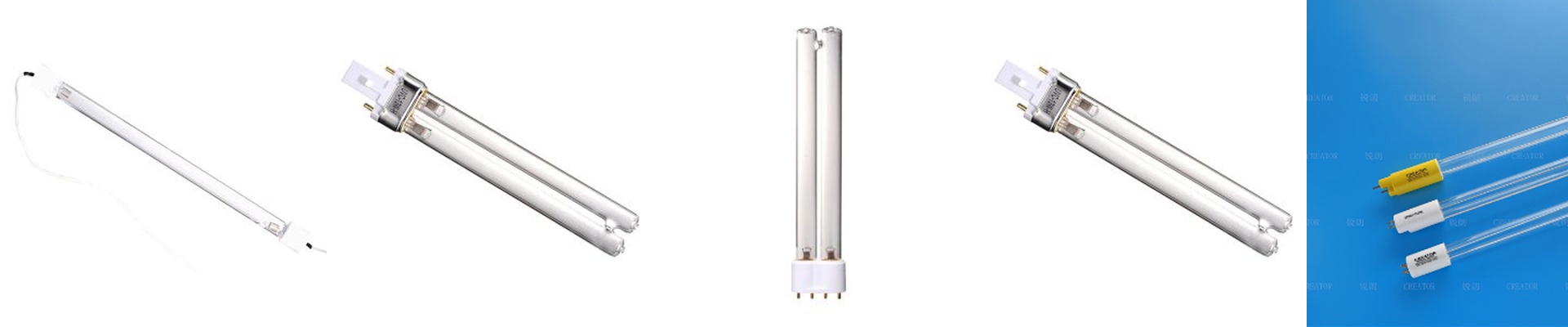
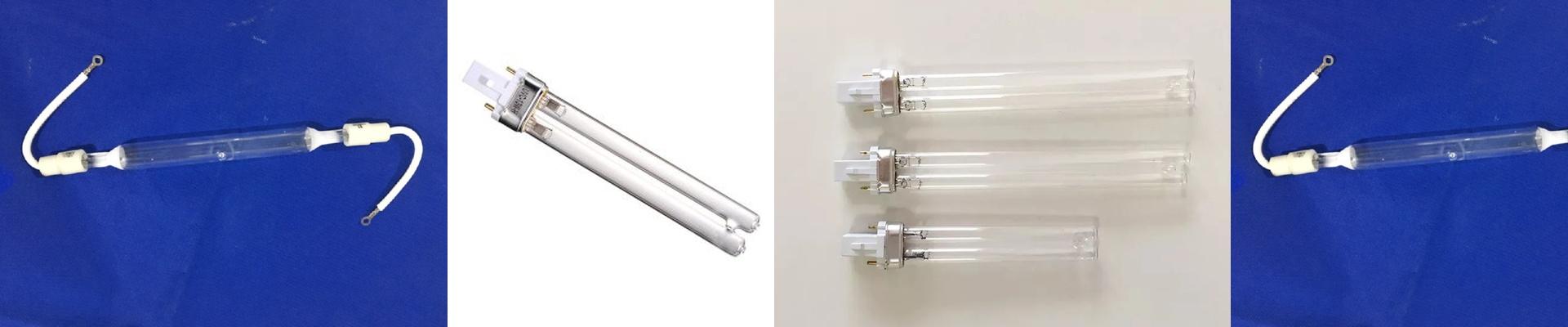
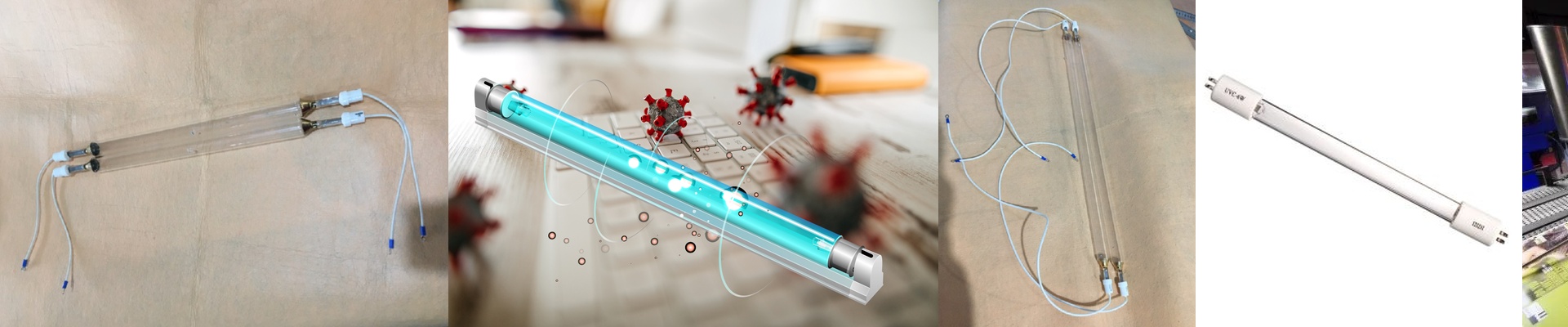
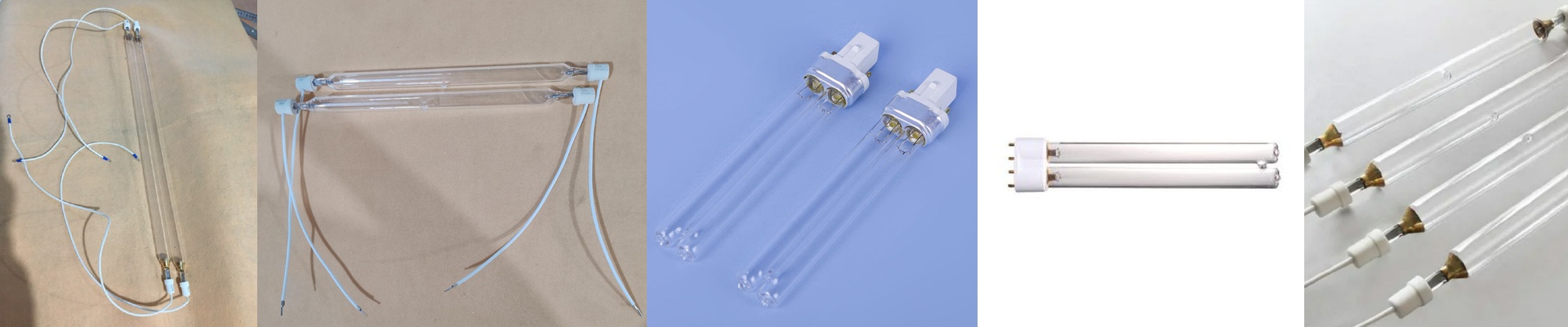
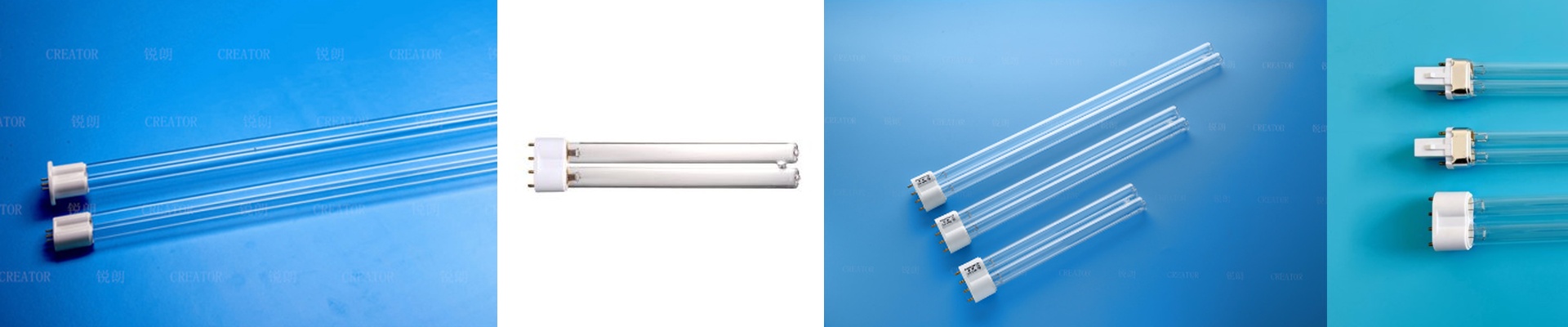
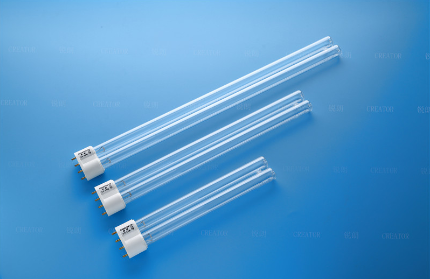
On the floor, “spray and dry” in screen isn’t a nice-to-have—it’s what keeps the line moving. When you’re printing optical fiber components, a pause for drying turns into a bottleneck fast. The only way to hold steady throughput is a UV lamp that fires up instantly and delivers repeatable energy, cycle after cycle. What actually matters under the hood With optical fiber work and screen inks, curing comes down to photoinitiator absorption, so the spectrum has to match the chemistry. The lamp we run for these jobs is built around a stable mercury vapor discharge, tuned to throw a clean spectral profile with strong output around 365nm and 395nm. That hits the absorption bands most UV ink formulations rely on, so cross-linking happens quickly. Peak irradiance is set to deliver enough photon flux at the substrate, and the reflector uses a dichroic coating to boost usable UV density while cutting wasted IR. The payoff is repeatable energy density at the substrate—measured in mJ/cm²—that you can confirm with a spectral radiometer. Why this approach fits screen work Speed is the difference-maker. Thermal drying makes you wait; UV removes that wait—if the lamp starts fast and holds intensity. This lamp hits target output in seconds, so short-run changeovers don’t turn into warm-up delays. In a print-and-cure setup, you see fewer rejects from incomplete cure and less ink migration on fine features. Over time, stable output across the lamp life keeps variability down, and the lower energy draw compared to older systems keeps operating cost predictable. A few shop-floor details that matter Installation is straightforward, but alignment is the make-or-break. The lamp has to be positioned so the peak irradiance zone lands square on the ink surface, and the standoff distance has to stay consistent. If it doesn’t, energy density drifts—even when the lamp itself is stable. Make sure your power supply and connector match the lamp rating, and keep the curing zone ventilated to manage heat. If you switch ink chemistry, re-check spectral match and adjust exposure to match.