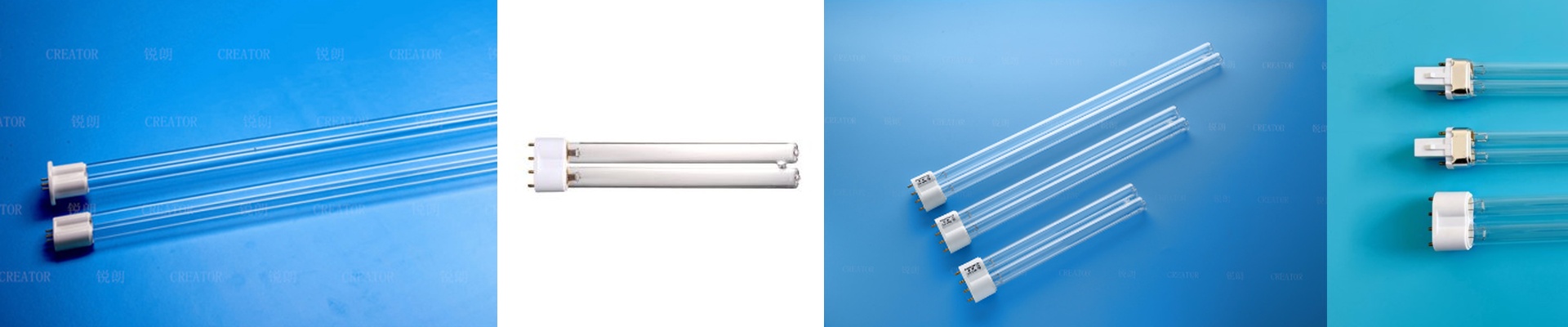
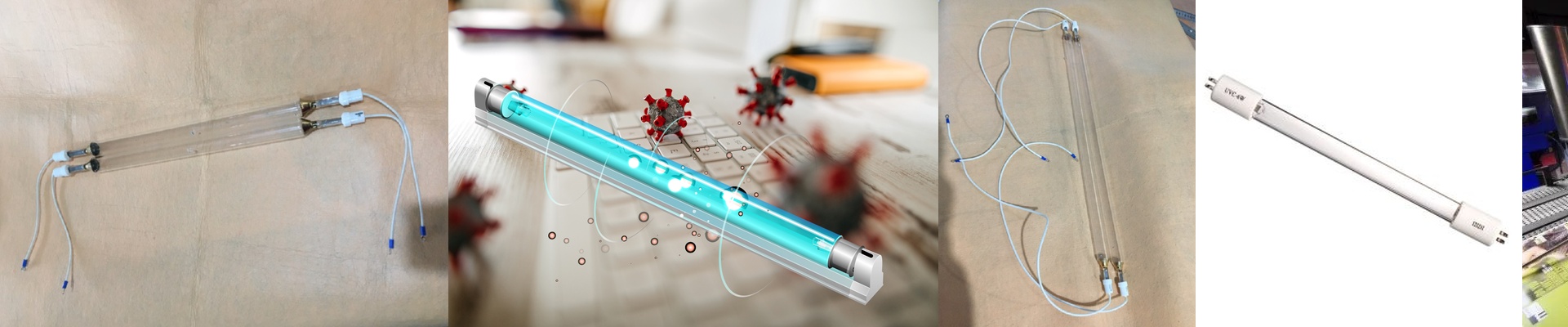
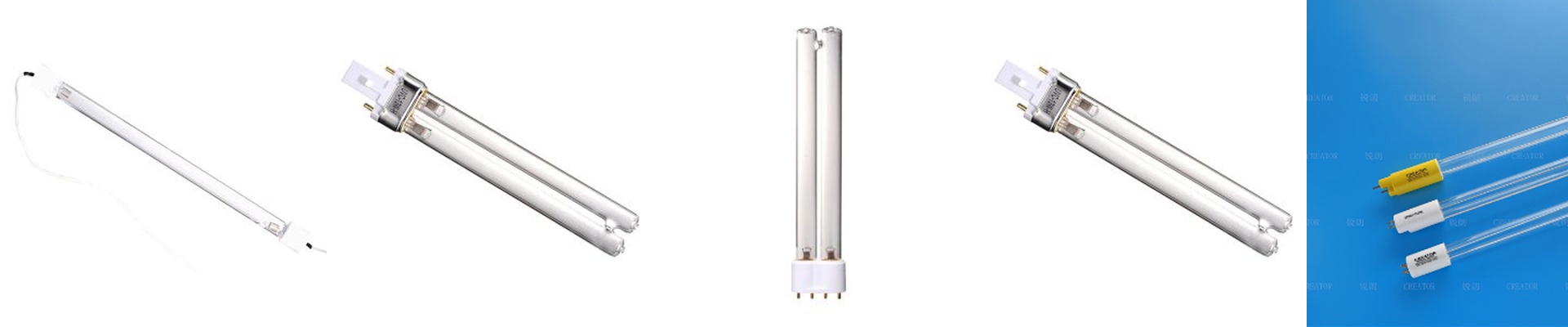
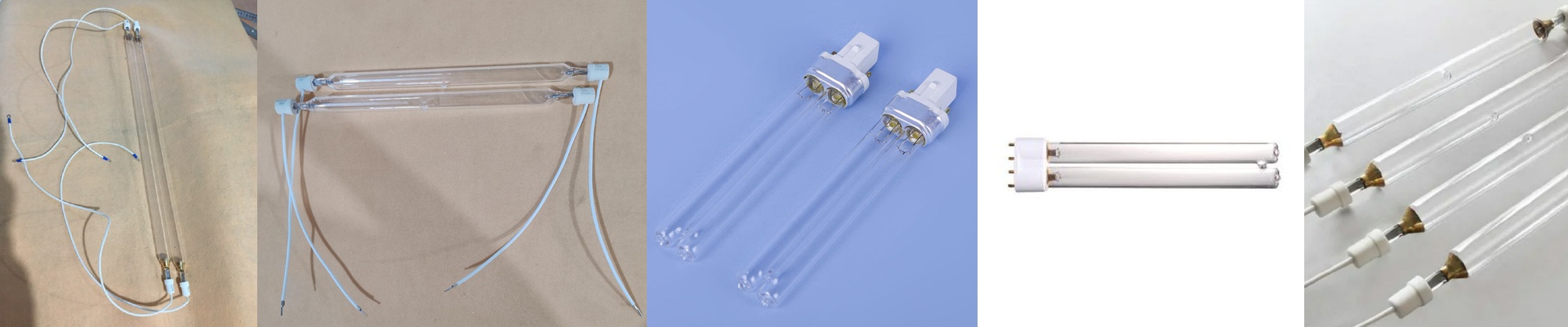
On the press floor, unit cost is measured in lamp swaps, downtime, and that monthly energy bill. In textile UV printing, the mercury lamp is the heart of the cure. When its output drifts, the line has to slow down to protect cure quality—and costs climb fast.
What matters, technically
We build the mercury UV lamp to hold stable spectral output in the 365 nm and 385 nm bands, where the photoinitiators in textile inks absorb cleanly. Peak irradiance stays above 1.5 W/cm² at the web, and curing energy density lands at 300–600 mJ/cm² depending on ink opacity and line speed. The envelope is high-purity quartz with a controlled dopant profile to cut solarization, so output decay stays under 5% after 5,000 hours. Reflectors use a dichroic coating to shape the spectrum and keep heat off the substrate, and the ozone-free design keeps exhaust routing simple.
Why this works in the real world
Long life and low decay mean fewer lamp changes and less scheduled downtime. With stable irradiance, you can push speed without under-curing, and stop tweaking ink formulation just to cover for lamp aging. Energy use drops because the system isn’t constantly re-heating and re-stabilizing after every replacement. That adds up to a lower cost per printed square meter—especially on high-volume runs where lamp life and consistent curing drive the economics.
The details you can’t gloss over
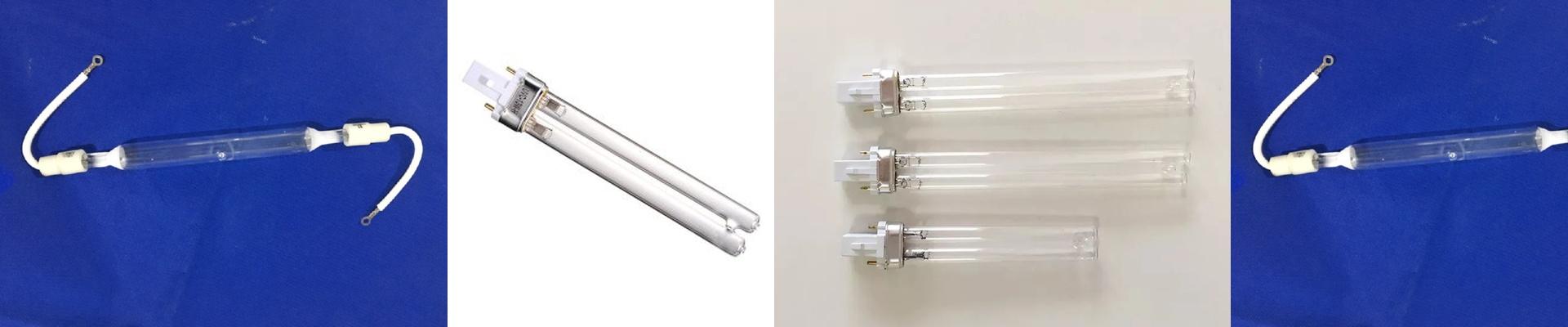
Match lamp length, arc gap, and terminal type to your curing module. If the geometry is off, dose across the print width will be uneven. Check reflector condition and cooling airflow. Cure performance depends on the whole station, not just the lamp. Give the lamp time to warm up before irradiance stabilizes, and plan your line speed ramp-up accordingly. Also confirm your press controller supports the lamp’s ignition profile and end-of-life monitoring—otherwise you’re setting yourself up for unplanned stops.