UV Curing Lamp for Marble Stone: Figuring Out Why Your Surfaces Are Still Tacky
You know that frustrating moment when your printed marble stone comes off the line… and it’s still sticky? Your first thought is probably the ink. Before you go reordering, though, let’s talk about the real culprit: your UV lamp. Here’s the thing. Over time, that lamp’s output just fades away. We see it happen all the time out in the field. A lamp can look perfectly fine to the naked eye, but it’s quietly entered its “decay phase.” It’s simply not throwing off enough irradiance anymore to fully cure the ink.
The Power Behind the Curing
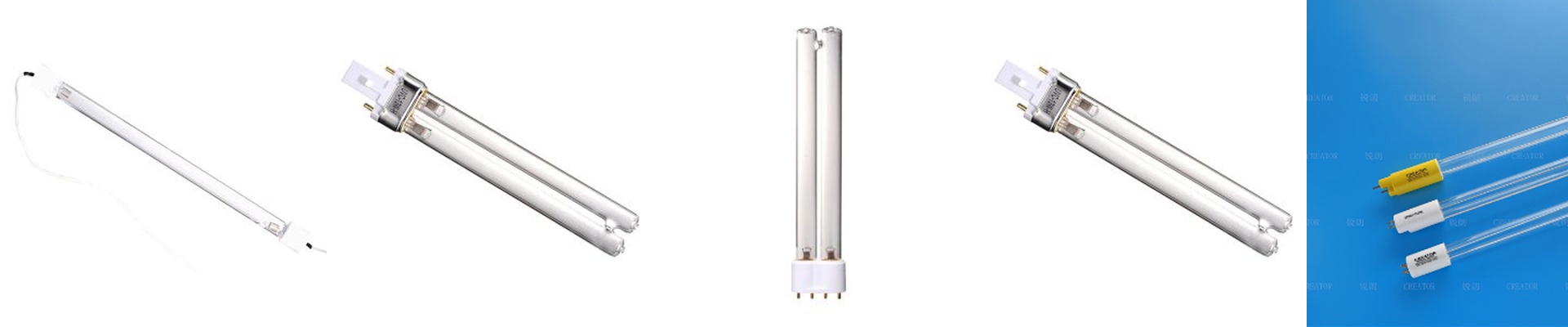
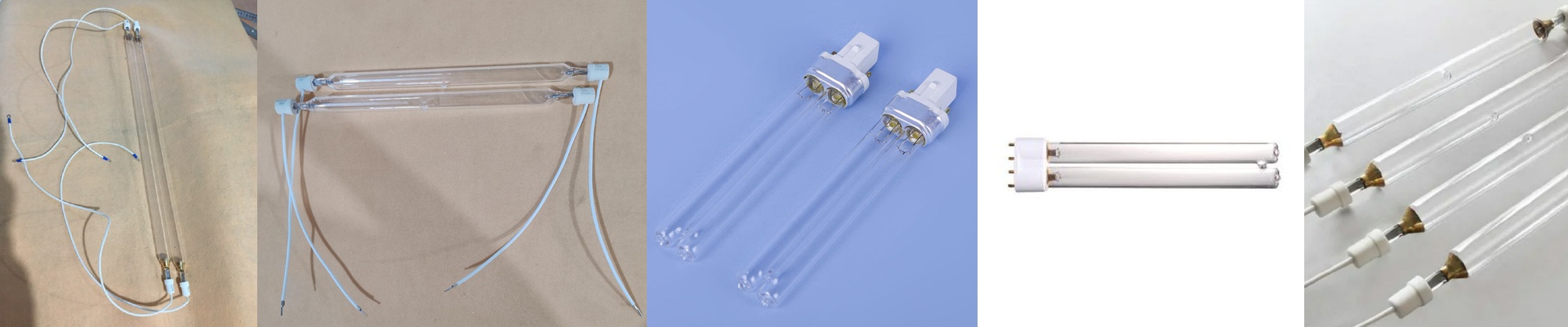
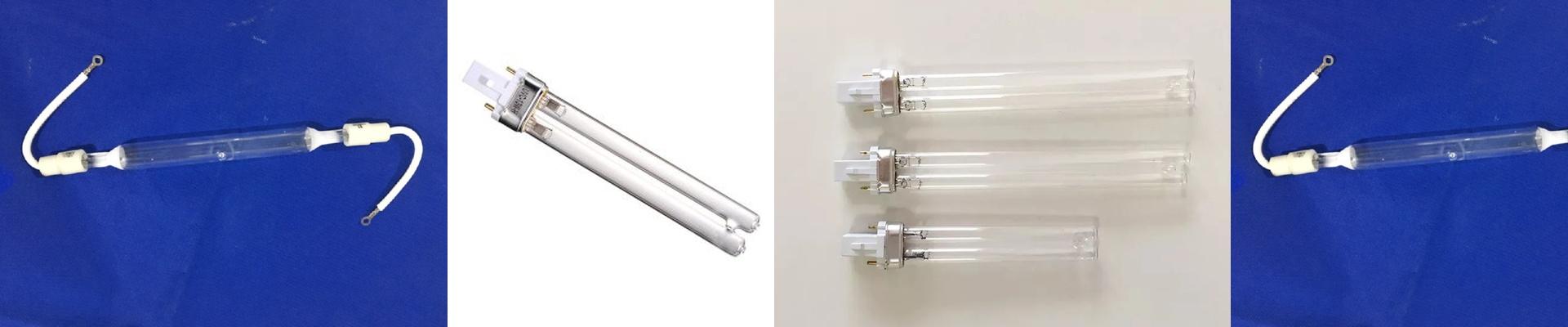
Our UV lamps are built for the tough job of printing on stone. The power and size aren’t chosen by accident. We use a high-wattage, shortwave halogen lamp. It packs a serious punch into a small space, blasting intense energy right where you need it. This lets the UV light cut through the ink layer on dense marble, all without overheating the stone itself. And that voltage rating? It’s matched perfectly to the power. It pushes the quartz tube to its peak temperature, creating just the right UV spectrum for a fast, thorough cure.
What It’s Built With—And Why It Matters
We wrap the lamp in quartz. It’s the best material for the job because it lets UV light pass through easily and can handle the shock of turning on and off, over and over. Inside, the halogen gas fill does two big jobs. It helps the filament last longer and keeps the light output steady. That’s what stops the performance from dropping off and leaving you with under-cured prints. And don’t overlook the connector. It’s a small detail that makes a huge difference. We use an R7s base. It gives you a solid, high-current connection that’s easy to wire up. It can handle the tube getting hot and expanding without ever losing its grip. This thing is built to survive the pace of a busy production line.
The Fix for That Sticky Surface
This whole setup is designed to be a simple, drop-in replacement for your current system. Once you wire it in, the lamp immediately brings the UV intensity back to where it needs to be. The result? A complete cure. No more sticky surfaces. The problem is solved at the source. Now, there is one trade-off: heat. The power needed to cure ink on stone means the lamp gets seriously hot. Your machine’s cooling system has to be up to the task. If it’s not, you’ll shorten the lamp’s life. It’s a straight-up engineering trade-off for the performance you need.