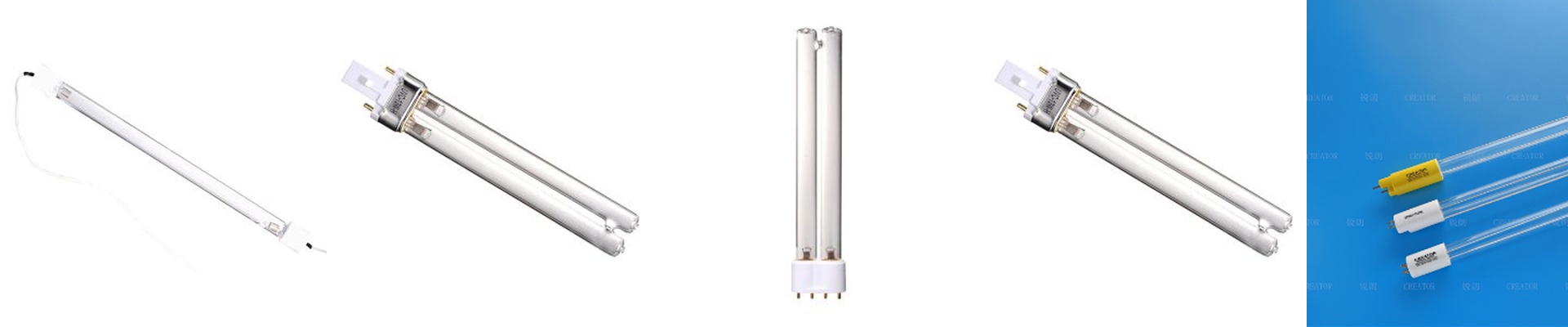
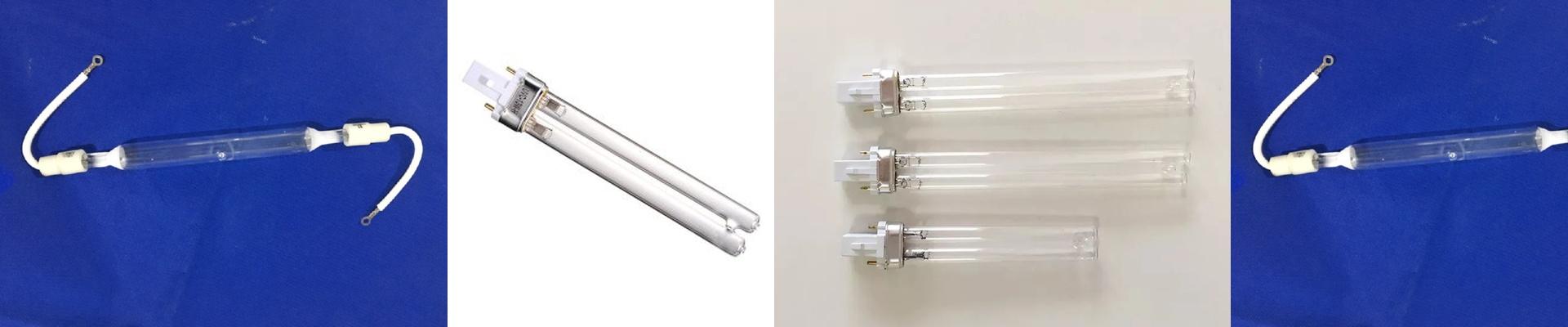
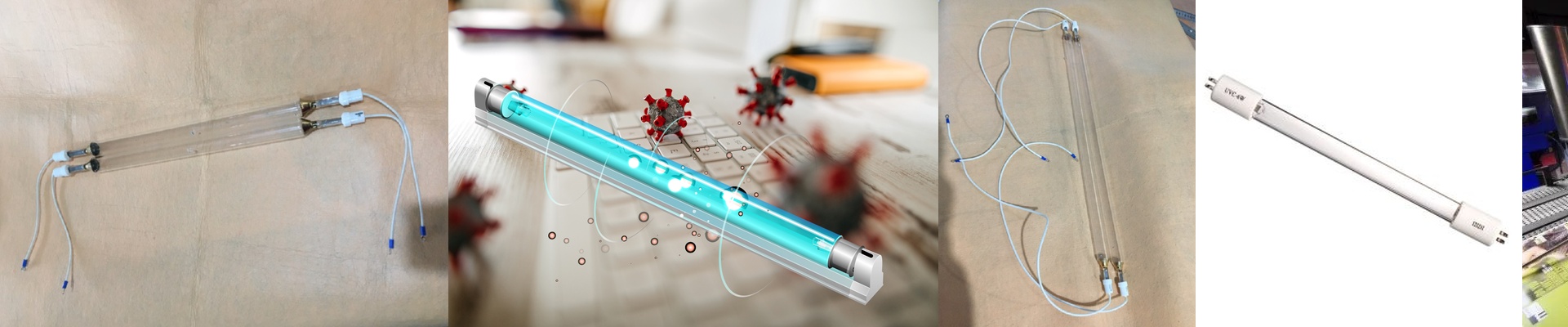
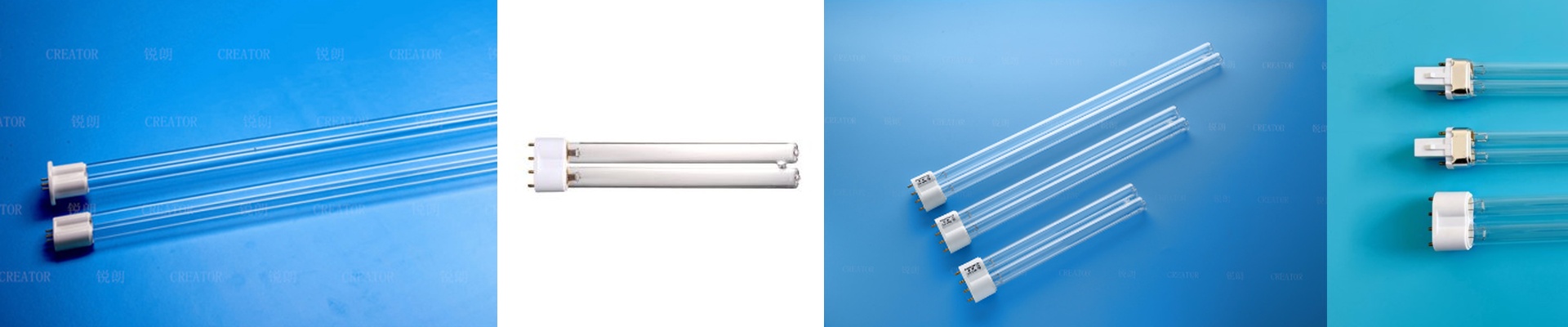
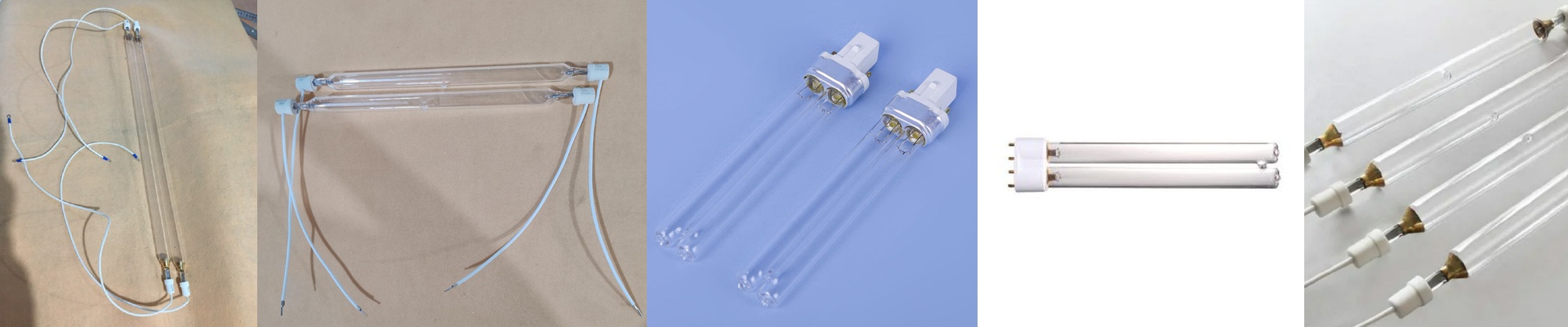
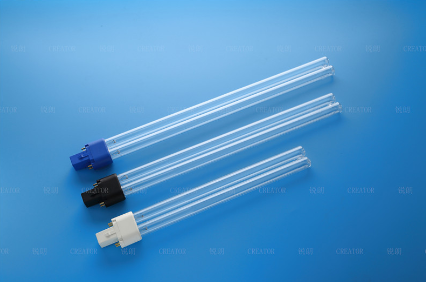
Getting the Most Out of Gallium Iodide Lamps
If you’re working with high-precision curing or photolithography, you know the headache of spectral drift. Most standard lamps just spray energy across a wide band. That’s fine for some things, but when you’re dealing with sensitive substrates, that “scatter” leads to uneven polymerization or, worse, it just damages the part. That’s why we build Gallium Iodide lamps. They’re designed for the jobs where you can’t afford to be “close enough.”
The Secret to that 0.5% Window
Hitting a 0.5% spectral concentration isn’t magic—it’s just a grueling game of chemistry and pressure. We spend a lot of time obsessing over the purity of the gallium iodide fill and the exact temperature of the arc. If the fill pressure is off by even a tiny bit, your peak wavelength shifts. We spent months tweaking the fill volume just to make sure that peak stays locked in place. It stops that “spectral bleed” that usually ruins high-res patterns in industrial coatings. It just works.
The Build (and the Heat)
We use high-purity fused quartz because we want as much UV as possible to actually get out of the lamp. The electrodes are built to handle high current densities without pitting, so the arc stays steady over the long haul. But here’s the catch:you have to manage the heat. Pushing for this kind of spectral precision creates a lot of heat density at the arc. If your cooling jacket isn’t up to the task for the specific wattage of these tubes, the lamp will overheat and your emission peak will drift. Don’t skip the heat sinking. It’s the only way to keep that 0.5% window stable.
Putting Them to Work
The best part? These are drop-in replacements. You can swap them into your existing semiconductor or chemical curing lines without a total overhaul. Because the spectral output is so tight, you don’t need as much total energy to trigger the reaction. That means your lines move faster and your workpieces don’t get baked by unnecessary thermal stress. And we don’t just ship them and hope for the best. We run every single batch through a spectrometer to verify the peak before they ever leave our doors.