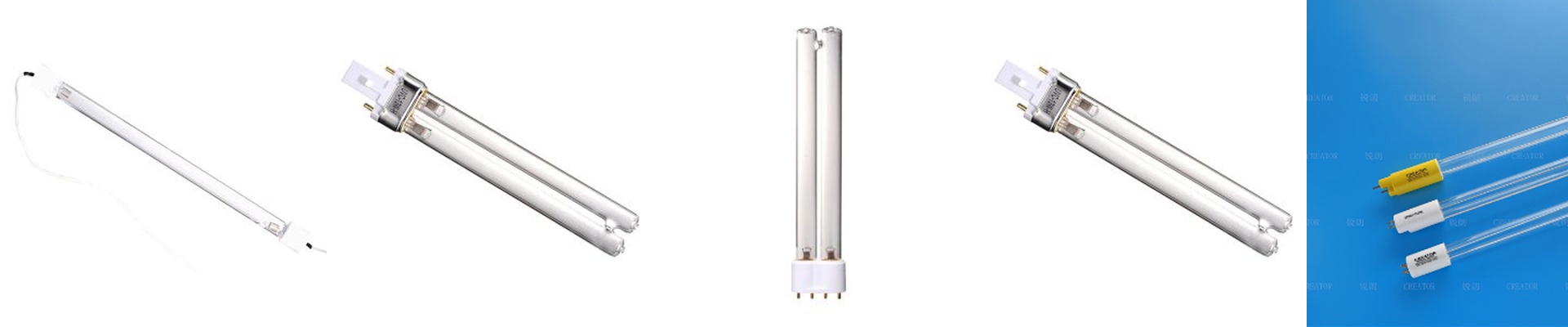
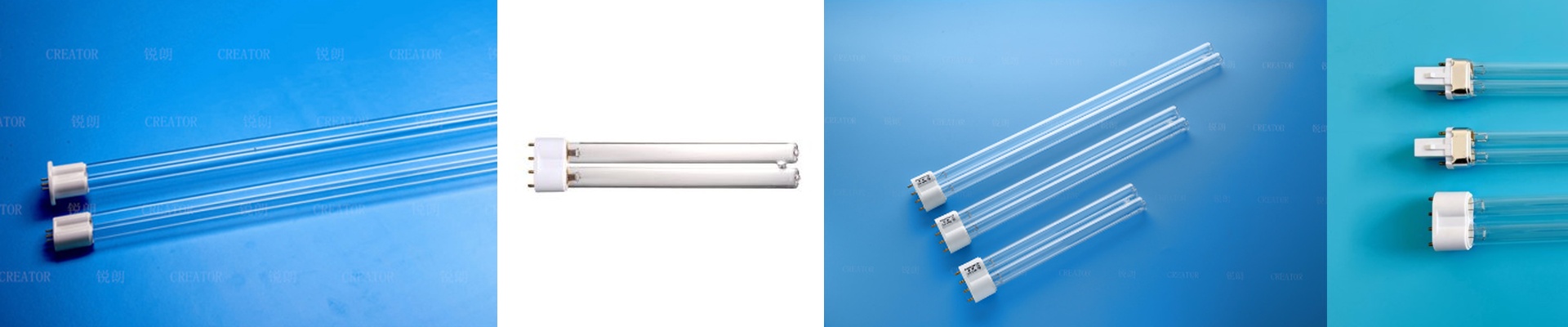
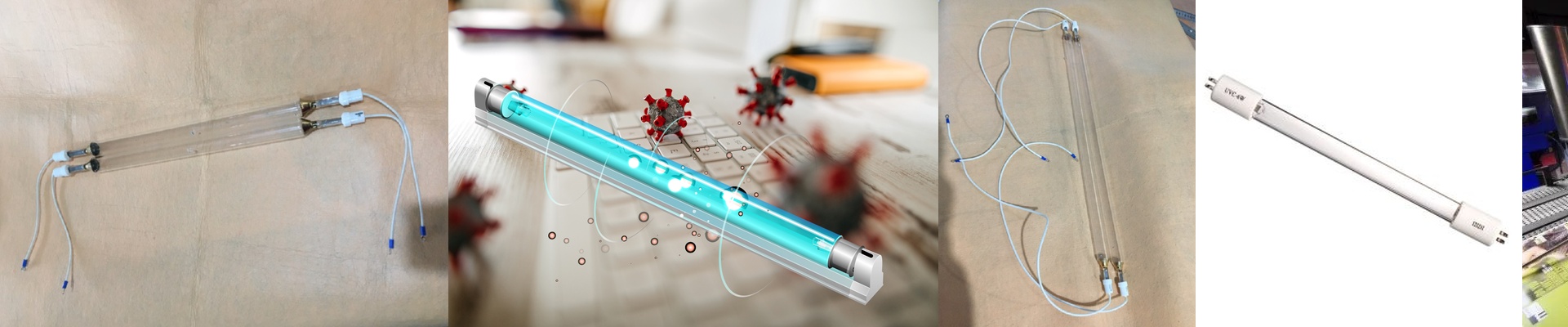
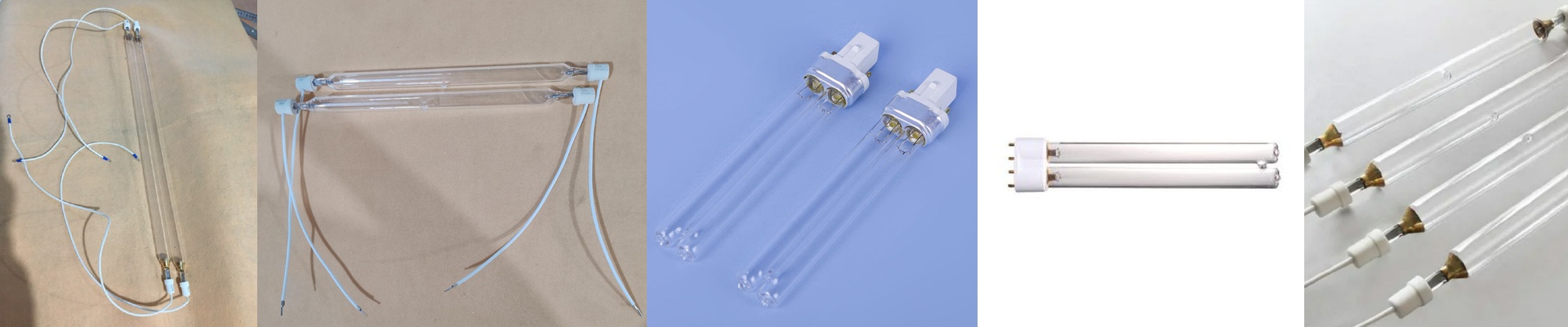
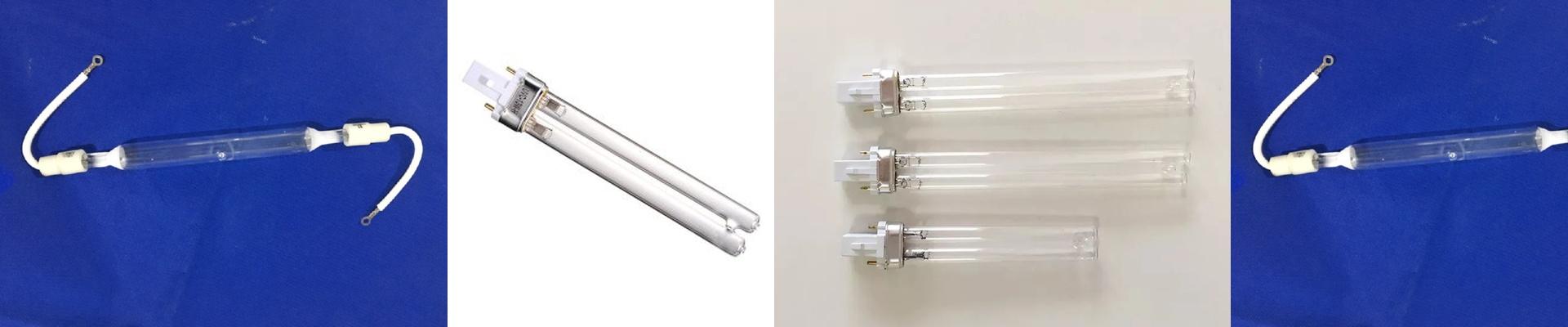
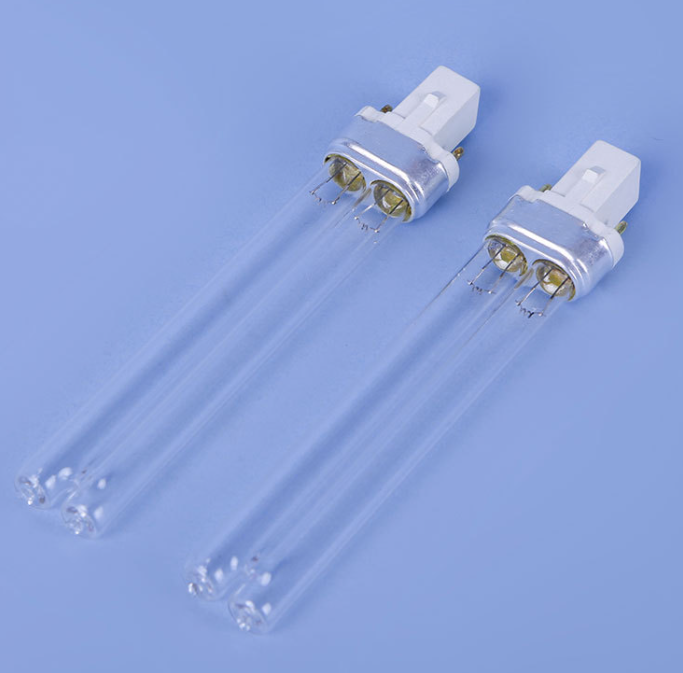
On the press floor, you aren’t chasing headlines. You’re chasing consistent mJ/cm² on the substrate. When a 420nm gallium lamp starts underperforming, you know it instantly—surface tack, adhesion issues, and color density drifting across the run. More often than not, the culprit is the quartz. Impurities absorb UV, push operating temperature up, and nudge the spectral output off target. The result? You end up overdriving the lamp just to keep the same energy budget.
What matters under the hood
A 420nm gallium lamp is built around a narrowband emission profile, matched to the photoinitiators in many UV ink and coating formulations. The gallium dopant targets 420nm, and the envelope has to deliver that output without parasitic absorption. We use 99.99% high-purity fused quartz to keep metallic contaminants and hydroxyl groups out. In practice, that gives you higher peak irradiance at the target wavelength, less self-absorption, and a flatter degradation curve across the lamp’s life. You get stable spectral output and repeatable curing windows, even after thousands of hours.
Why it plays well in production
High-purity quartz keeps the system’s energy where it needs to be: on the web. With better transmission at 420nm, you can hold the same energy density at lower power, or push higher line speeds without leaning on the lamp. The payoff is predictable: fewer hot spots, less risk of substrate warp, and more consistent cross-linking across the full cure zone. If you’re running UV offset, flexo, or screen, that translates into less make-ready, tighter tolerances, and fewer sheets in the scrap bin.
The details that make the difference
Match the lamp to the reflector geometry and the distance to the cure window. 420nm gallium lamps need different dichroic coatings than mercury-vapor systems, and reflector focal points directly impact irradiance uniformity. Check spectral compatibility with your ink’s photoinitiator package, and confirm the lamp is ozone-free so it can run safely in confined curing chambers. Expect a tighter spectral band—great for the right formulations, but it won’t replace broadband mercury when you need a wide spectral range.