Getting Your UV Curing Right (Without the Headaches)
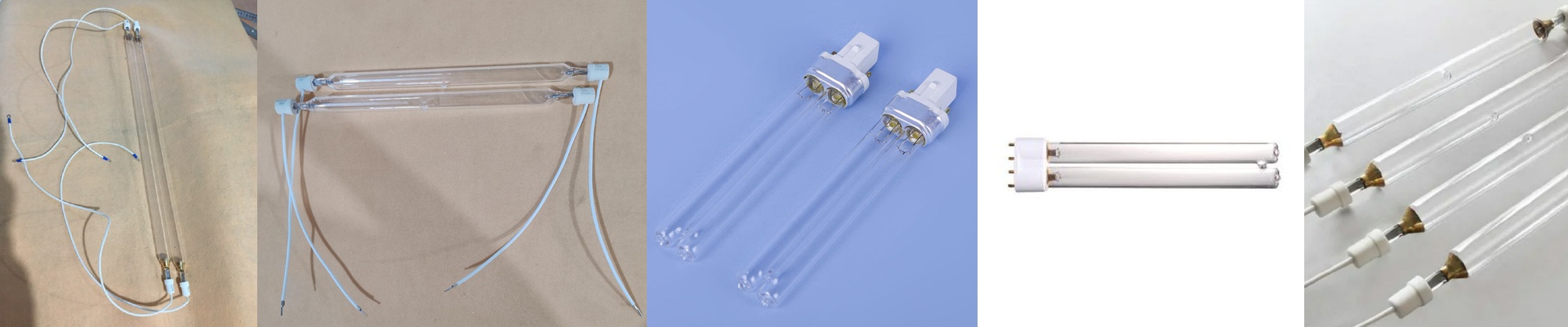
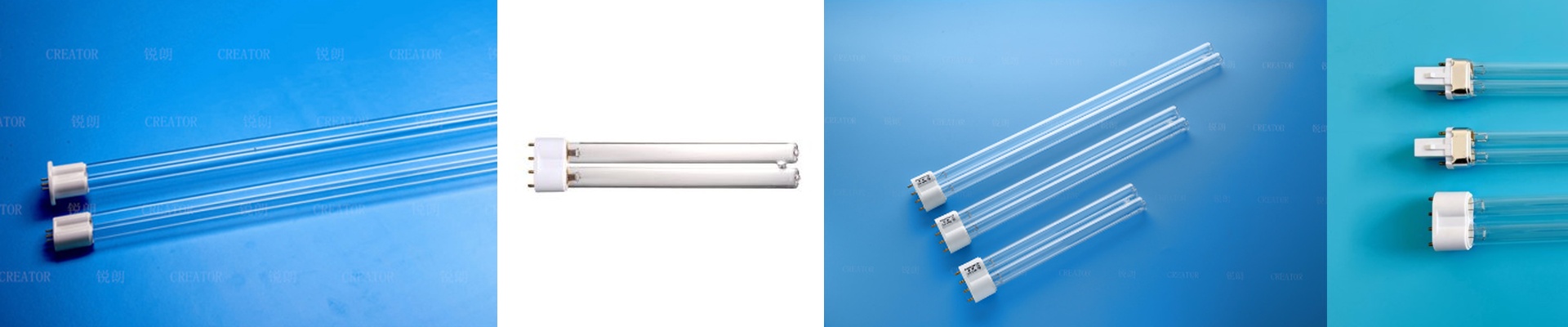
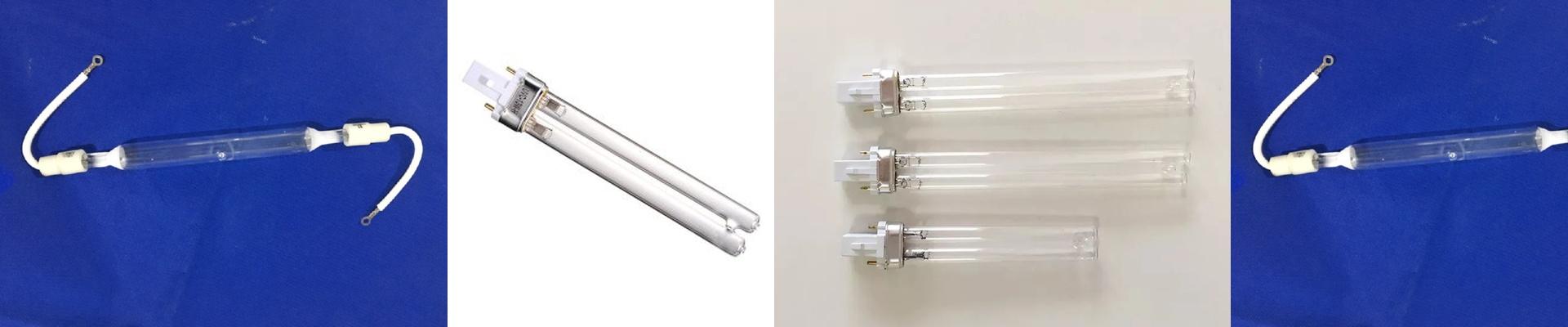
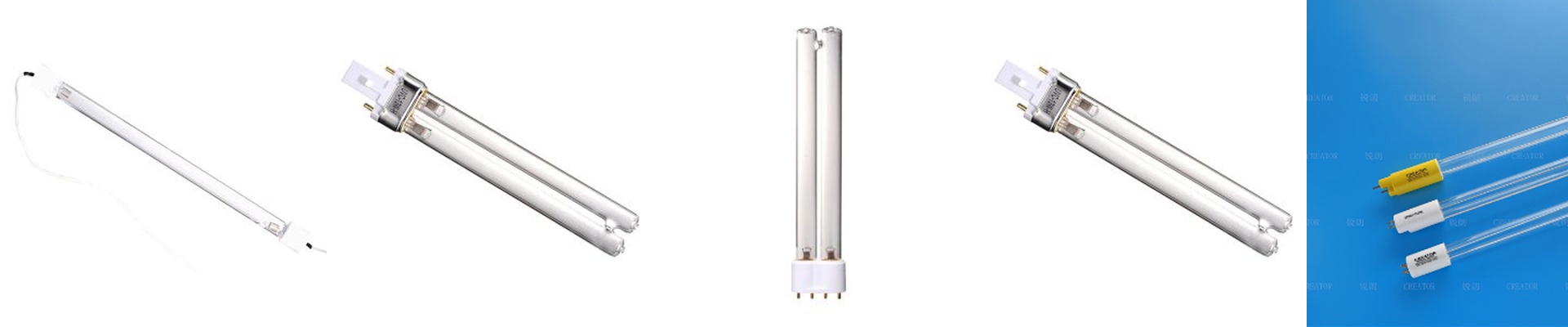
Look, replacing a UV lamp isn’t as simple as just matching the length and the wattage. If the light isn’t hitting the right frequency or the intensity dips, your cure rate tanks. It’s that simple. That’s why we don’t just sell “parts.” We build custom replacements that hit the exact power levels your production line needs to keep moving fast.
The actual science of the “cure”
Here is the thing: UV curing is all about that specific wavelength triggering a reaction. When we’re figuring out your replacement, we look at the wattage per millimeter. Sure, cranking up the power density makes the line move faster. But there’s a catch. More power puts a lot more stress on the quartz tube. We calibrate our lamps to match the heavy hitters in the industry. If they don’t perform up to those standards? We’ll give you your money back. No arguments.
Heat, Glass, and the “Hidden” Problem
We use high-purity fused quartz. Why? Because it lets the UV light through without soaking it up, which keeps the tube from overheating and burning out way too soon. But before you slide in a new lamp, do yourself a favor:check your reflectors. If your reflector is pitted or oxidized, you’re throwing away about 30% of your light. It doesn’t matter how powerful the lamp is if the mirror is trash.
Swapping them out
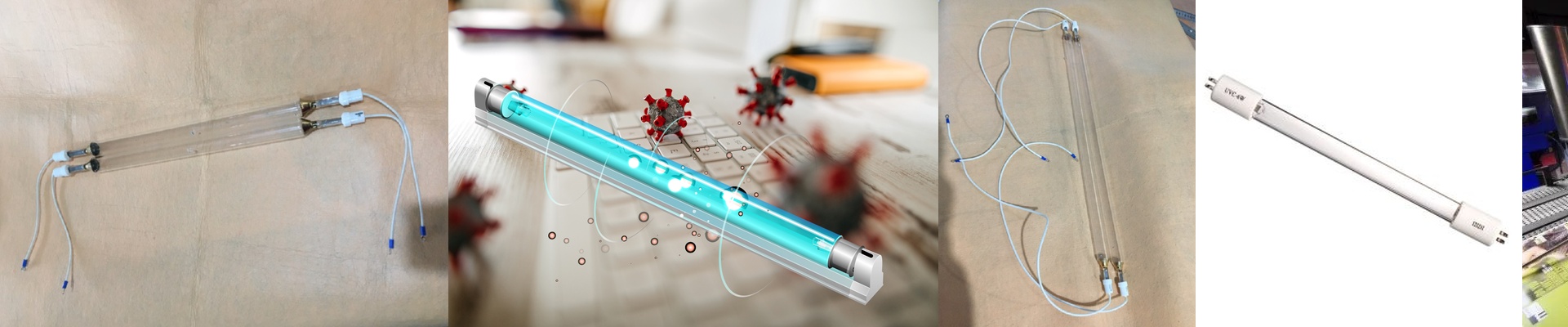
We make these as drop-in replacements. We match your existing footprints and connectors so you aren’t spending your afternoon rewiring ballasts or hacking away at the housing. It just fits. One quick heads-up, though. If you’re upgrading to a higher intensity lamp, your cooling fans are going to work harder. Just double-check that your ventilation can handle the extra heat. If it can’t, you’re looking at a dead filament. We build these things to take a beating in 24/7 factory environments. Just keep the quartz clean, and they’ll keep humming along.