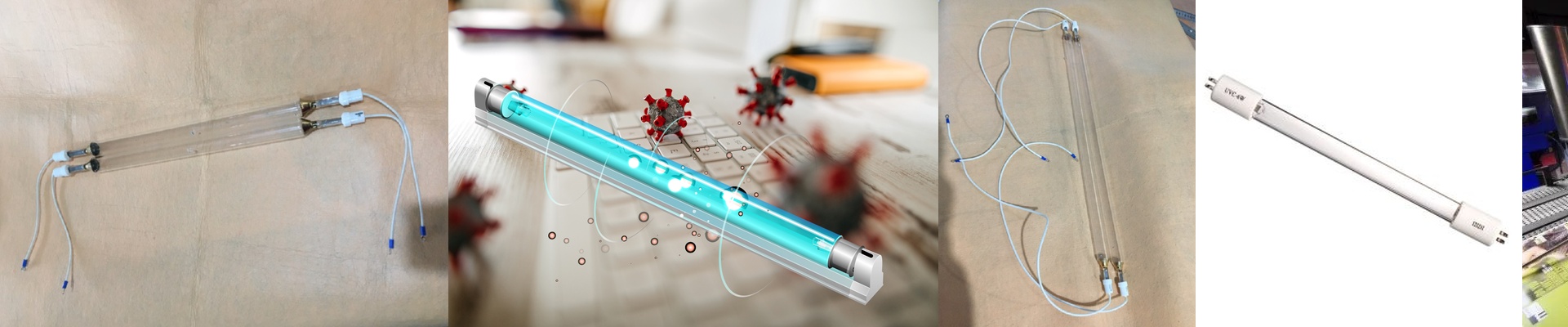
Getting Your Textile Cures Right with Gallium Iodide UV Lamps
Ever had a batch of printed fabric come back from the wash looking like a disaster? Flaking, bleeding, or just plain fading. It’s frustrating. Usually, the problem isn’t your ink—it’s that the ink didn’t actually “set” all the way through. That’s where Gallium Iodide (GaI) lamps come in. Most standard mercury lamps just don’t cut it when you’re working with thick, pigmented inks. The UV light hits the surface, but it can’t punch through to the bottom. You end up with a “skin” of cured ink on top and a gooey mess underneath. GaI lamps are different. They push out longer wavelengths (between 300nm and 420nm) that actually soak into the fibers. Instead of just sitting on top of the fabric, the ink bonds deep inside.The result? A print that actually stays put.
The Nitty-Gritty of the Build
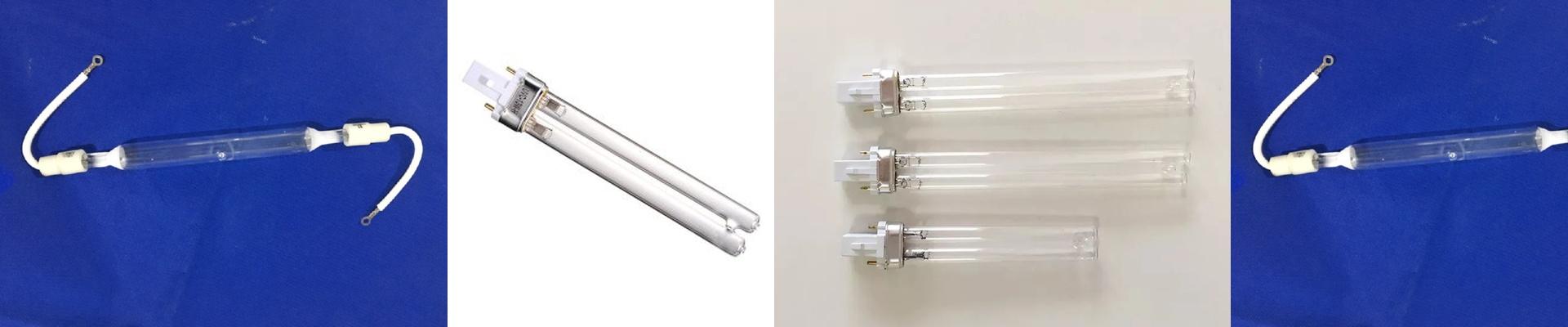
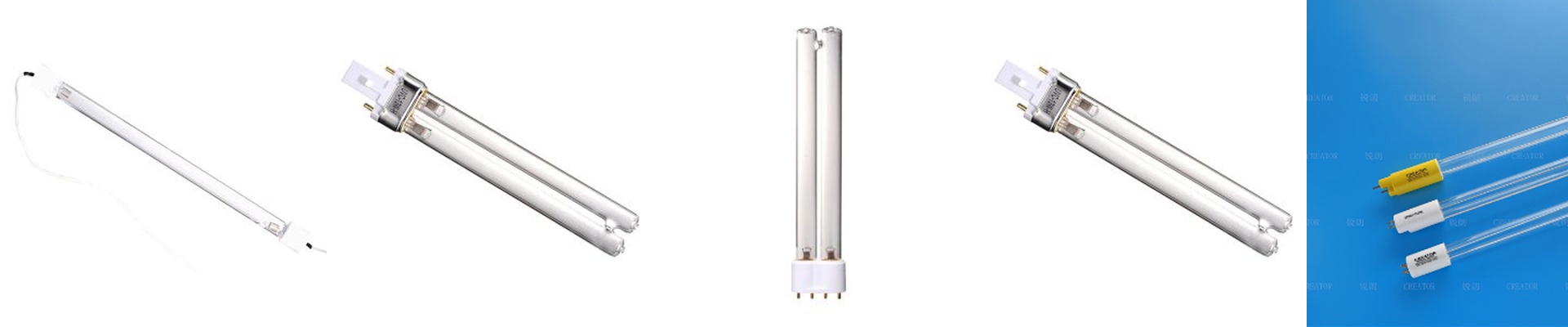
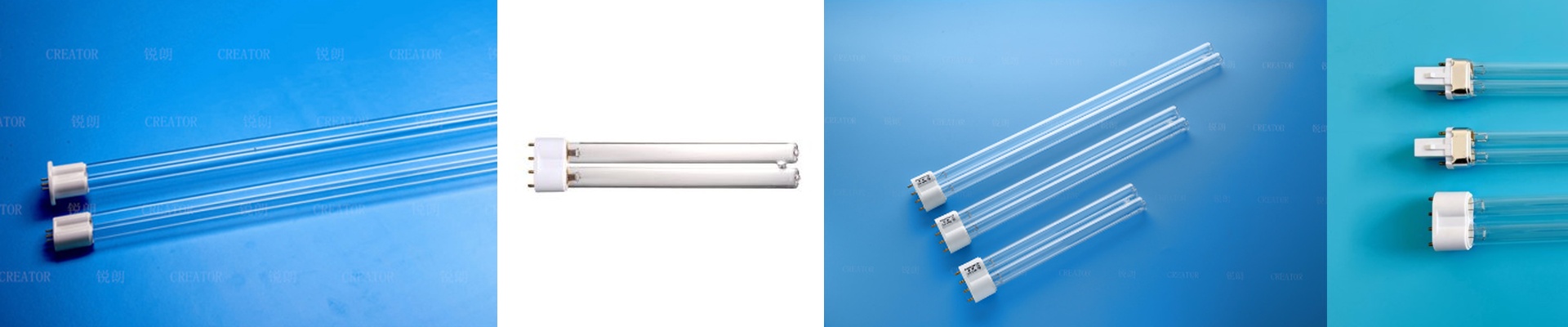
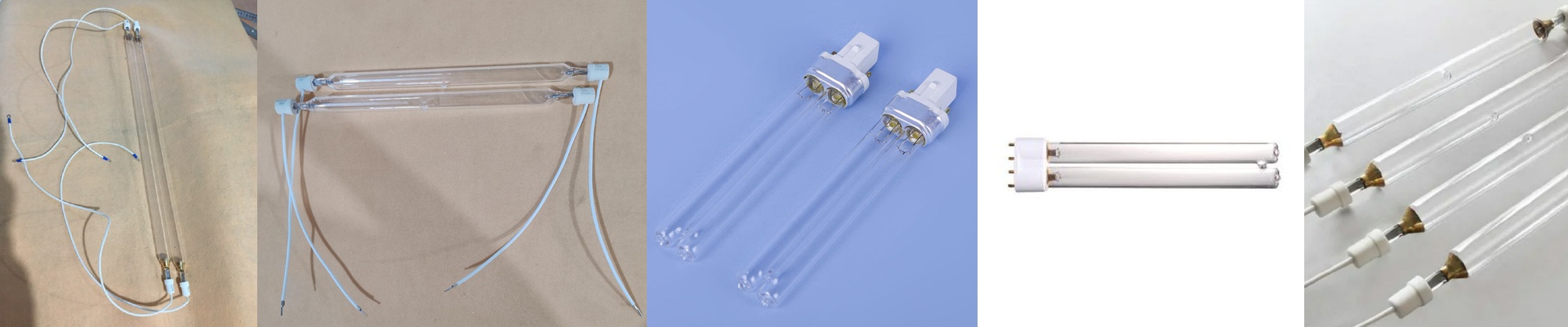
We don’t believe in one-size-fits-all. We tweak the tube length and wattage to match how fast your conveyor is moving. If you need to crank up the speed on your line without worrying about quality, we just bump up the wattage to give you more punch. We also use high-grade quartz glass. Why? Because rapid heating and cooling can snap cheap glass. We’ve also reinforced the end-caps so you don’t have to worry about gas leaks when the pressure peaks. But a heads-up:these things run hot. Really hot. If your cooling fans aren’t up to the task, you’re looking at two problems: scorched fabric or a lamp that burns out way too early. Make sure your airflow is dialed in.
Setting Them Up and Keeping Them Happy
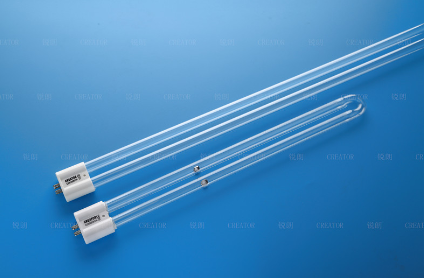
The best part is that these aren’t a headache to install. They’re designed to slide right into your existing UV tunnels. We match your current pin layouts, so you can just plug them in and get back to work. One tip to keep them running strong: clean those quartz sleeves every 500 hours. It sounds like a chore, but dust is the enemy here. When grime builds up on the glass, it blocks the UV light and creates “hot spots.” Those hot spots can crack your tubes. Keep the glass sparkling, and your lamps will actually last as long as they’re supposed to.