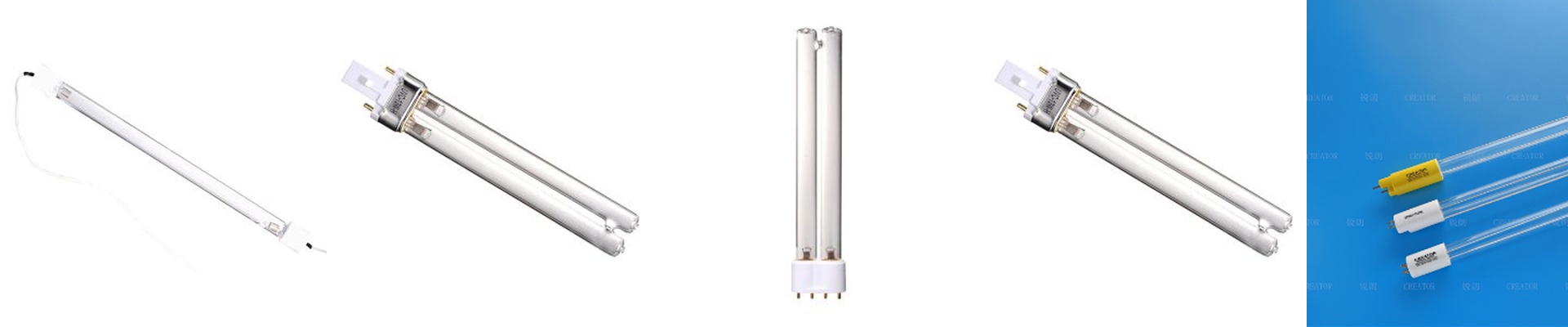
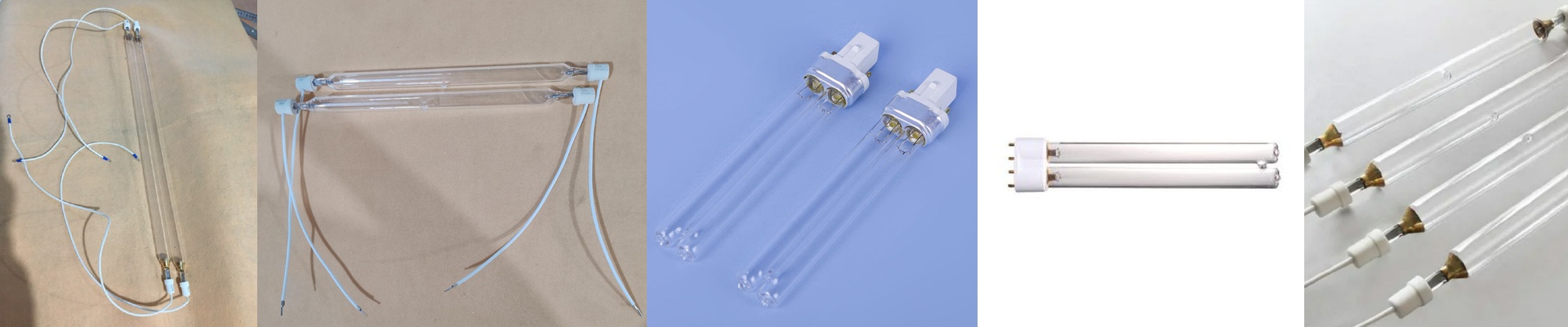
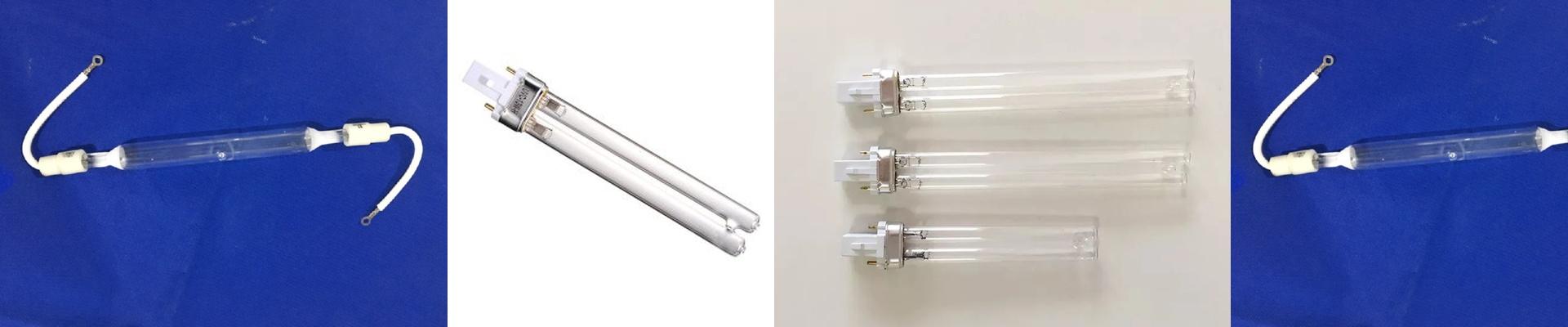
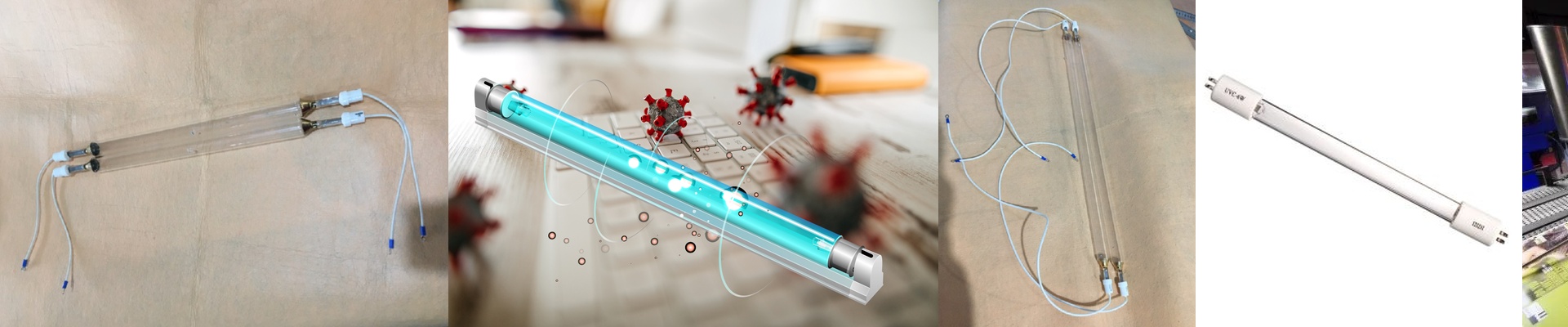
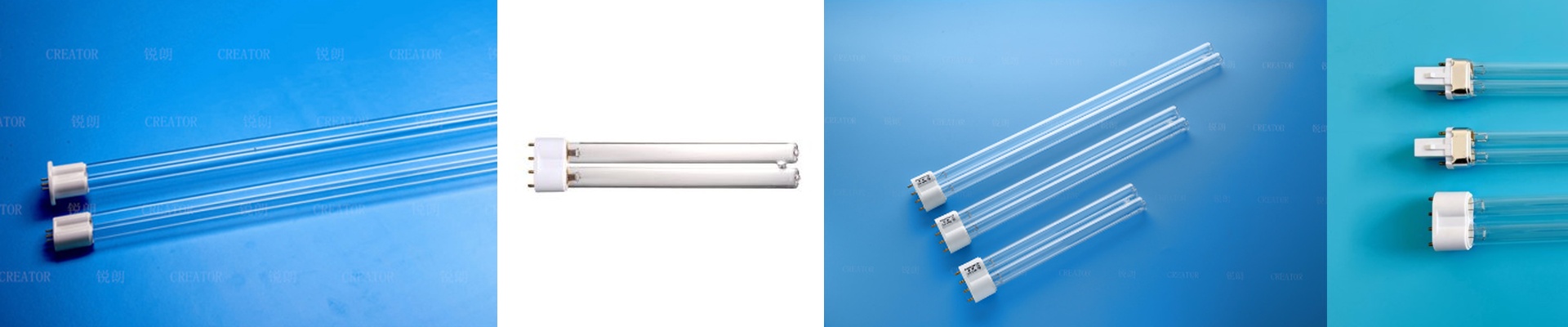
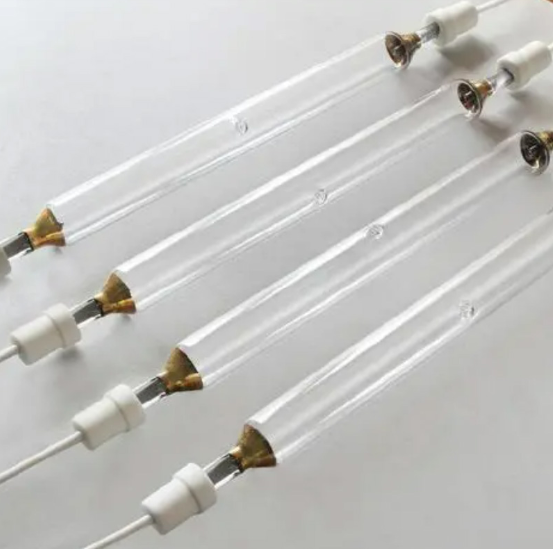
On the line, the UVC unit hums, the conveyor keeps rolling, and the packaging slides under the lamp. It’s easy to assume the microbial load is under control. But assumptions cost money—and sometimes customers. If you’re not verifying dose, you’re running on hope instead of engineering. UVC disinfection isn’t some vague “exposure.” It’s photobiology, governed by physics: irradiance at the target surface, exposure time, and spectral match to what microbes actually absorb. If lamp output drifts—aging, voltage swings, reflector fouling, temperature shifts—your dose drifts with it. Underdose means survivors. Overdose wastes energy and burns up lamp life. The only way to make the claim stick is to measure what matters: radiant intensity, continuously, right where the work happens.
The numbers that matter: spectrum, irradiance, dose
UVC disinfection leans on the 254 nm emission from low-pressure mercury vapor. Germicidal action peaks near 265 nm, but practical lamps hit strong output at 254 nm, and microbial DNA absorption makes that wavelength plenty effective. The point isn’t “UVC is on”—it’s how much optical power actually lands on the target. We talk in three measurable terms:
- **Peak irradiance (mW/cm²)**at a defined working distance. That’s instantaneous power density, and it sets the speed at which you can deliver dose.
- Dose (mJ/cm²), energy delivered per unit area. Dose = irradiance × exposure time. For many organisms, you need a validated dose threshold to get the log reduction you’re after.
- Spectral match, meaning the relative energy distribution across wavelengths. A lamp can emit UVC, but if the useful 254 nm fraction is low, you pay for it in longer exposure or higher power. Gallium-doped UVC lamps are built to stabilize output and stretch stable life by controlling mercury vapor pressure and improving electrode thermal management. In practice, that means a flatter output curve over time and fewer sudden end-of-life crashes. For a 36 W low-pressure lamp, we target stable output at the quartz tube surface around 10–12 mW/cm², measured with a calibrated UVC radiometer traceable to NIST standards, keeping 254 nm as the dominant line. But the number on the lamp isn’t the number on the product. Reflector geometry, 254 nm reflectance, lamp-to-target distance, and line speed all shape delivered irradiance. That’s why monitoring isn’t optional. If your process needs, say, 100 mJ/cm² at the product surface, and the measured irradiance there is 20 mW/cm², the math is straightforward: exposure must be 5 seconds. If irradiance drops to 15 mW/cm² from lamp aging, you now need 6.7 seconds. Keep the same line speed and dose falls to 75 mJ/cm²—your validated lethality just vanished.
Treat it like process control: measure, adjust, record
On a packaging or surface disinfection line, the risk isn’t theoretical. Organisms survive when dose is insufficient, and dose is irradiance times time. The only reliable way to guarantee disinfection is to make the UVC system closed-loop: measure, adjust, and keep a record. We design gallium UVC replacement lamps to support that discipline. The lamp delivers stable spectral output, predictable warm-up behavior, and consistent geometry so positioning stays repeatable. Pair that with a fixed or scanning UVC radiometer at the target plane, and you can watch peak irradiance in real time and calculate dose. When the reading drifts, you catch it before nonconforming product ships. The gains show up on the floor, not in a slide deck.
- You run to a documented dose target, not a gut call like “it looks bright enough.” If the process needs 60 mJ/cm² for a 3-log reduction of a specific organism, you run to 60 mJ/cm²—and you have the data to prove it.
- **You stop over-illuminating.**That wastes watts and shortens lamp life. With irradiance feedback, you run at the minimum power needed to hit the dose at your chosen line speed.
- **Maintenance becomes predictable.**Gallium-doped lamps tend to decay gradually, not fall off a cliff. Monitoring shows the slope, so you replace based on measured performance, not calendar guesses.
- **Process stability improves.**Temperature, mains voltage, and reflector cleanliness all move output. A continuous irradiance trace surfaces those sensitivities so you can control them. That’s how you make UVC disinfection auditable. When auditors ask how you ensure microbial control, you hand them irradiance data, dose calculations, and calibration records. That’s the evidence that holds up.
The practical details: installation, compatibility, and limits
Gallium UVC lamps drop into standard low-pressure fixtures, but the details are where you win or lose.
- **Electrical compatibility matters.**Match the lamp to the ballast. For a 36 W low-pressure lamp, the ballast has to deliver the correct starting voltage and operating current. Throw the wrong ballast in, and you shorten lamp life and destabilize output.
- **Mounting distance isn’t arbitrary.**Irradiance follows the inverse square law. Move the lamp 20% farther and irradiance drops by roughly one-third. Fixture tolerances and reflector condition have a big effect on delivered dose.
- **Reflectors age where you can’t see it.**A reflector that looks clean to the eye can be coated with films that absorb 254 nm. When 254 nm reflectance falls, irradiance at the target falls—even with a brand-new lamp.
- **Ozone: decide up front.**Standard quartz transmits 185 nm, which generates ozone. If you need ozone-free operation, use synthetic quartz that blocks the 185 nm line. That changes transmission, so it has to be matched to the application and fixture. And here’s an honest constraint: UVC output depends on temperature. Cold air, drafts, or a cold start can shift output until the lamp reaches thermal equilibrium. If you need dose accuracy within a tight band, pre-warm the lamp and stabilize airflow around the fixture. If you don’t, you’ll see transient dose drift at startup. One more point: meters aren’t all created equal. Use a UVC radiometer with the right spectral response and calibration traceability, and verify the measurement geometry. A handheld reading taken at an angle, or from the wrong distance, can make you think the process is in control when it isn’t. If you want disinfection that’s real, measure the radiation that does the work. Control irradiance. Calculate dose. Keep the record. Everything else is noise.