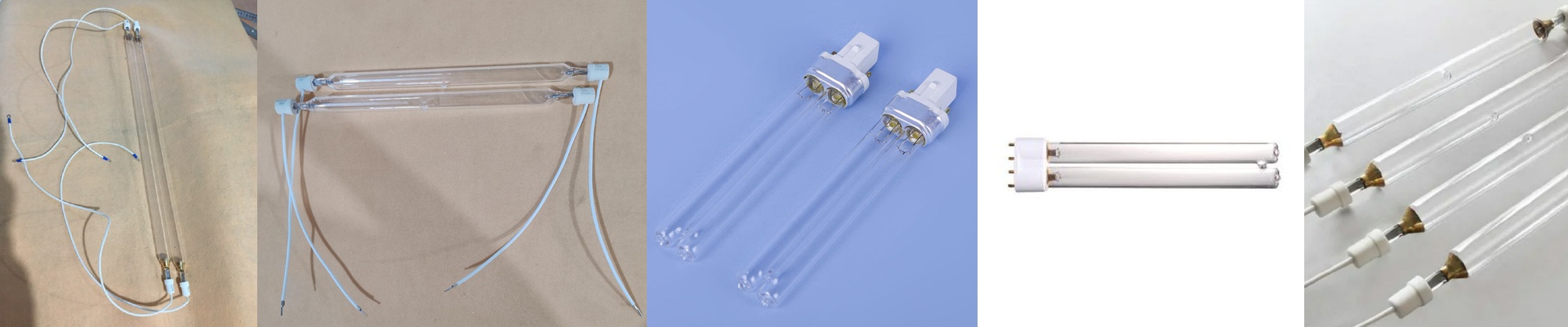
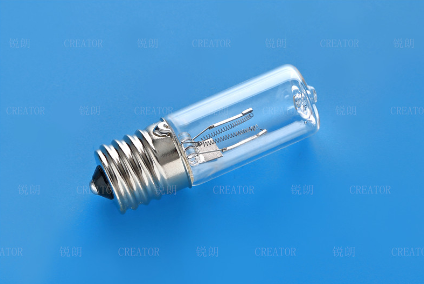
Building UV Curing Systems That Actually Work (and Last)
Let’s be honest: most industrial UV lamps fall into two camps. You’ve got the overpriced “big brand” names that charge a premium for the logo, and then you’ve got the generic OEM parts that feel like a gamble every time you power them up. We’re tired of that gap. That’s why we build our custom lamps to hit the same irradiance and curing speeds as the market leaders, without the ridiculous price tag.
The Heat Struggle
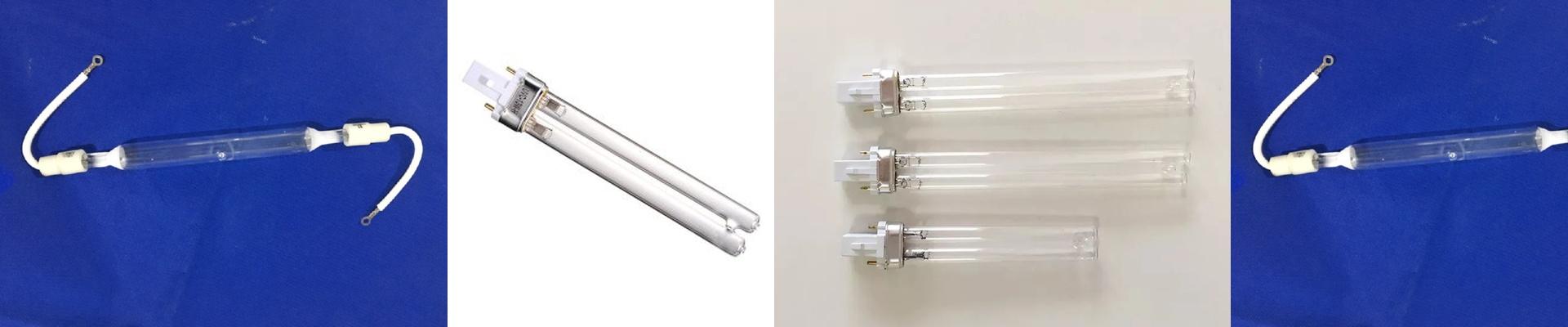
It all comes down to the wattage-to-length ratio. When we’re designing a lamp for a high-speed line, it’s a balancing act. We have to get the electrode positioning just right and pick the perfect quartz sleeve thickness. Sure, high-wattage tubes give you the punch you need for thick coatings. But they also gethot. Really hot. If your cooling system can’t handle that thermal load, you’re looking at cracked quartz or, even worse, scorched ink. It’s a mess you just don’t want to deal with on a Tuesday morning.
The Details That Matter
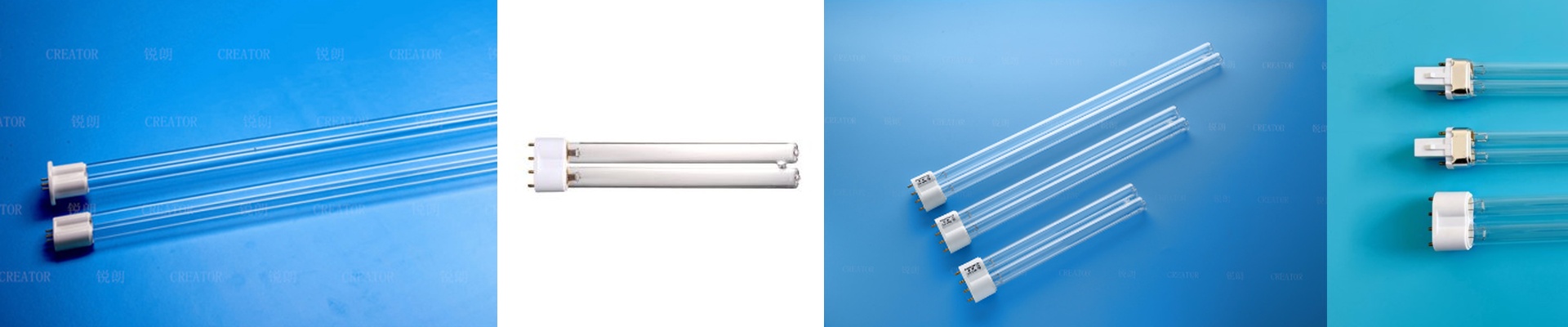
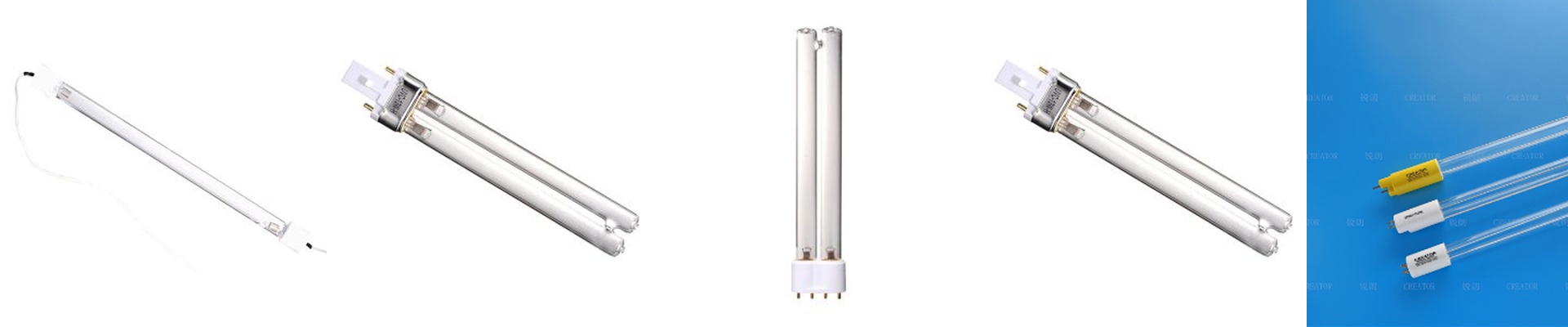
Here’s the thing about materials: if the glass is cheap, the light is weak. We use high-purity synthetic quartz because it lets the UV light through without blocking the shortwave radiation. If you use lower-grade glass, you end up with that annoying “tacky” surface where the cure just isn’t finished. We also use tungsten-based electrodes. Why? Because if you’re constantly flipping the power on and off, cheap electrodes burn out fast. And then there’s the seal. We obsess over where the pins meet the glass. If that seal isn’t airtight, oxygen leaks in and kills your lamp’s lifespan. It’s a small detail, but it’s the difference between a lamp that lasts and one that dies in a few months.
No Fluff, Just Performance
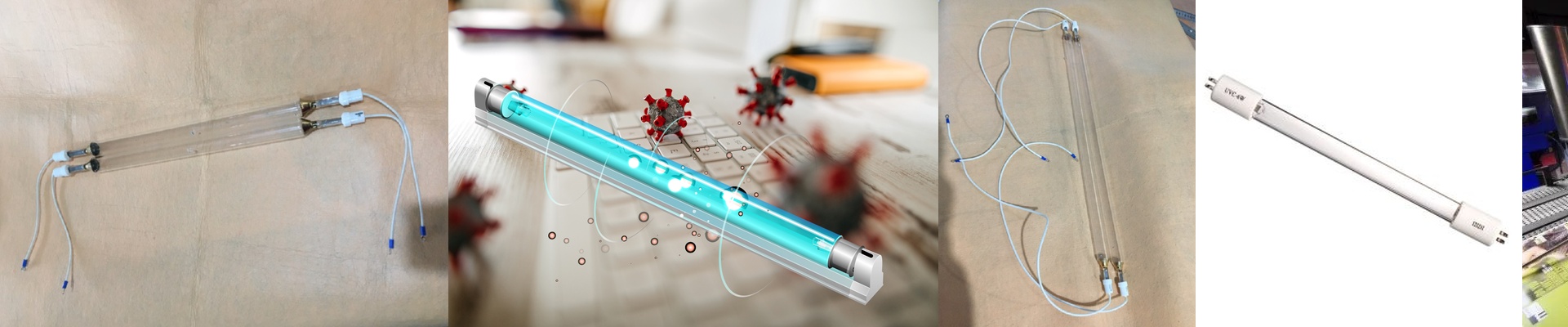
Most of you just want a lamp that fits. You don’t want to spend your weekend rewiring a ballast or redesigning your whole rig. We make sure our electrical footprint matches the major brands exactly. It’s a drop-in replacement. Simple. We don’t do “marketing speak” here. We don’t tell you it’s “better”—we measure the mW/cm² right at the substrate. If it doesn’t hit the same benchmark as the top-tier competitors, it doesn’t leave our shop. As long as your conveyor speed and lamp height are dialed in, you’ll get the same rock-solid cross-linking density as the expensive brands. Just better value.