Dealing with Signal Noise in Your UV Curing Lines
If you’re running a shop with several large printing presses, you know exactly how chaotic the electrical environment gets. It’s noisy. Mercury UV bulbs need high-voltage ballasts to keep that arc going. But here’s the problem: if the lamp and ballast aren’t built to fight off interference, that electromagnetic noise (EMI) starts leaking into your press controls. Suddenly, you’re dealing with ghosting, sensors that act possessed, or—worst of all—the whole line just stops. It’s a headache nobody needs.
Why some lamps just stay stable
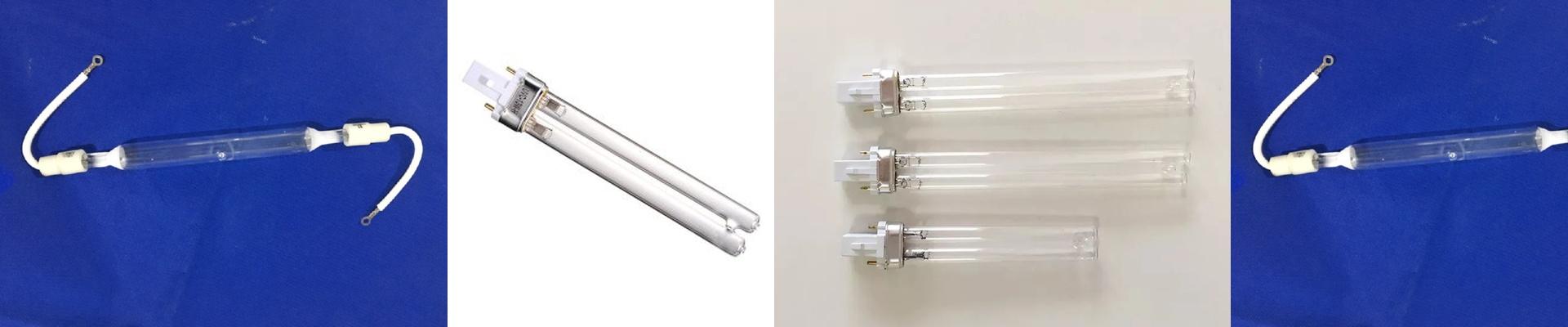
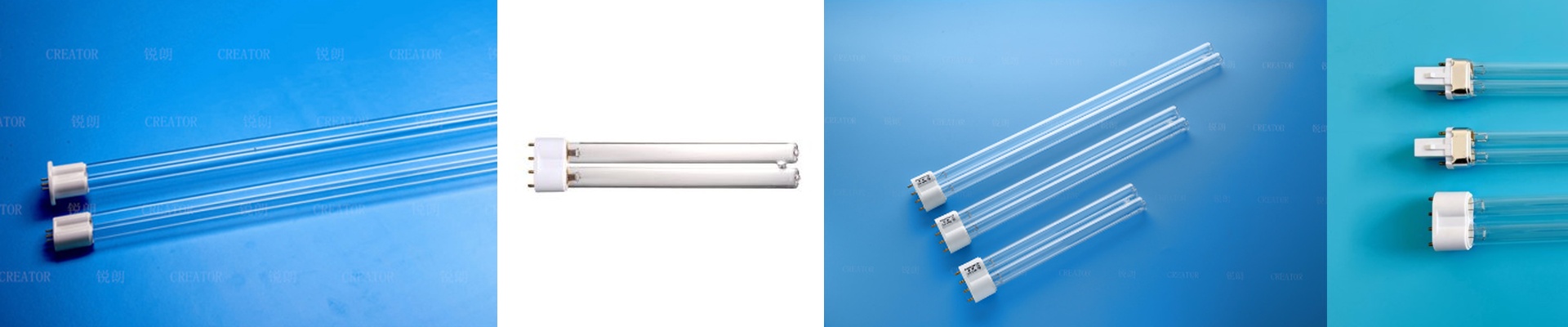
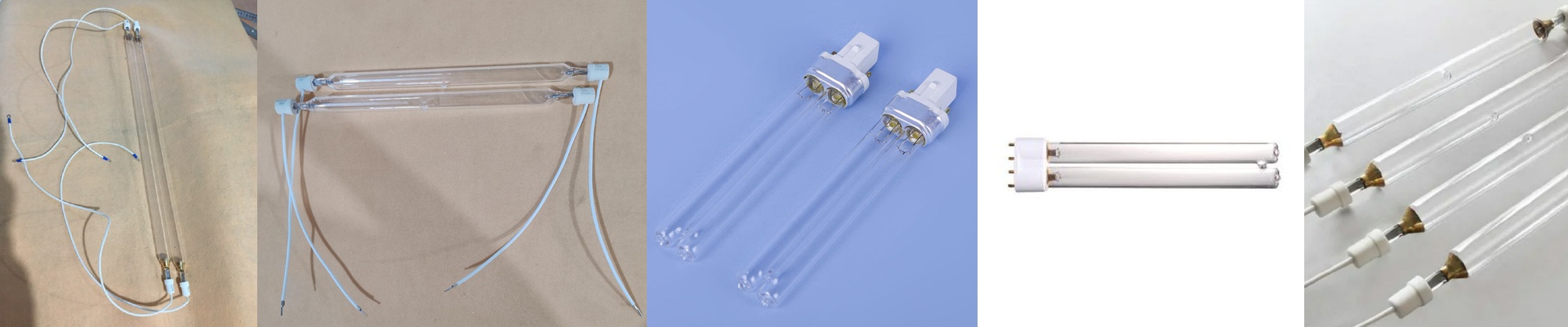
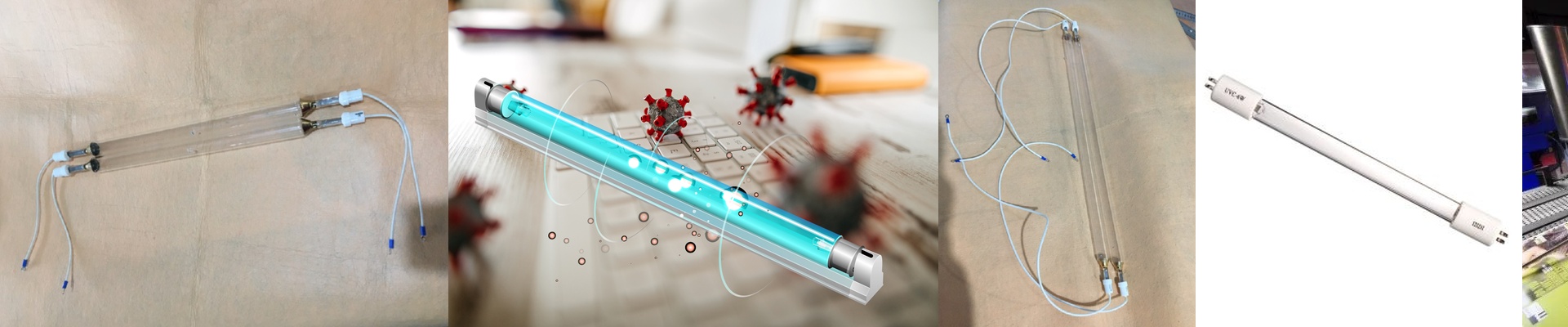
We build our mercury UV lamps specifically for those “dirty” power environments you find on heavy industrial floors. It mostly comes down to the small stuff: the electrode mix and how precisely the quartz envelope is made. By tightening the tolerances on the mercury vapor pressure and making sure the electrodes are perfectly aligned, we cut down on the flicker and voltage jumps. When the arc is stable, your power supply can finally relax. The lamp draws a steady current, so the ballast doesn’t have to fight to keep up. That gets rid of that annoying “hum” and those signal spikes that usually mess with your PLC controllers.
Putting it to work on the floor
When you’ve got five or six UV dryers running side-by-side, the cumulative noise can be brutal. We designed our bulbs to be simple drop-in replacements. You don’t have to tear apart your shielding or rebuild your layout just to get them working. We just focus on making the discharge stable. But let’s be honest: no bulb is a magic wand. If your factory grounding is a mess, you’re still going to see noise. You’ve got to make sure your cabling is shielded and grounded to the chassis properly. I’ve seen plenty of shops install high-stability lamps but keep their cheap, unshielded wiring. That’s where things fall apart.
A couple of trade-offs
There is a catch. High stability means you have to be a bit more patient with the startup. You can’t just flick these on and off like a light switch. Give them some time to hit their operating temperature. If you rush it, you’ll stress the electrodes and they’ll burn out way sooner than they should.