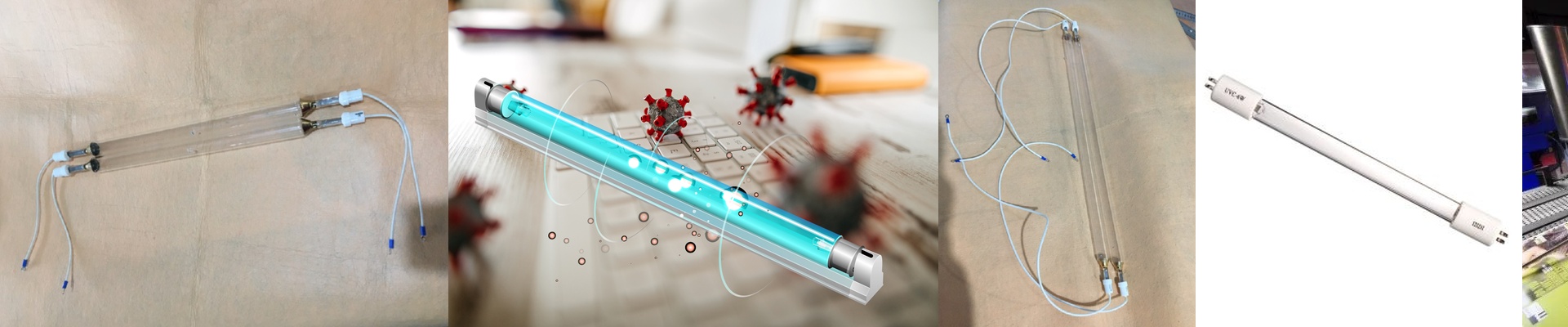
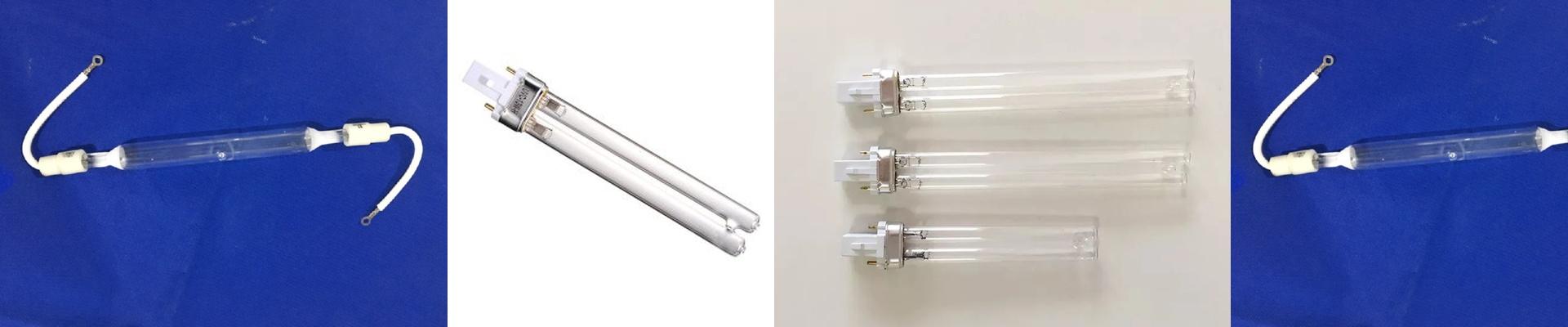
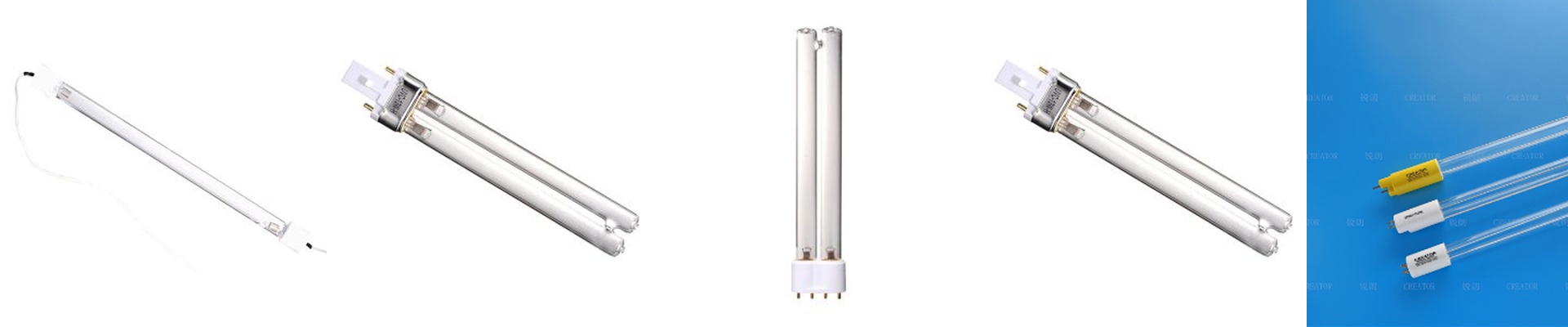
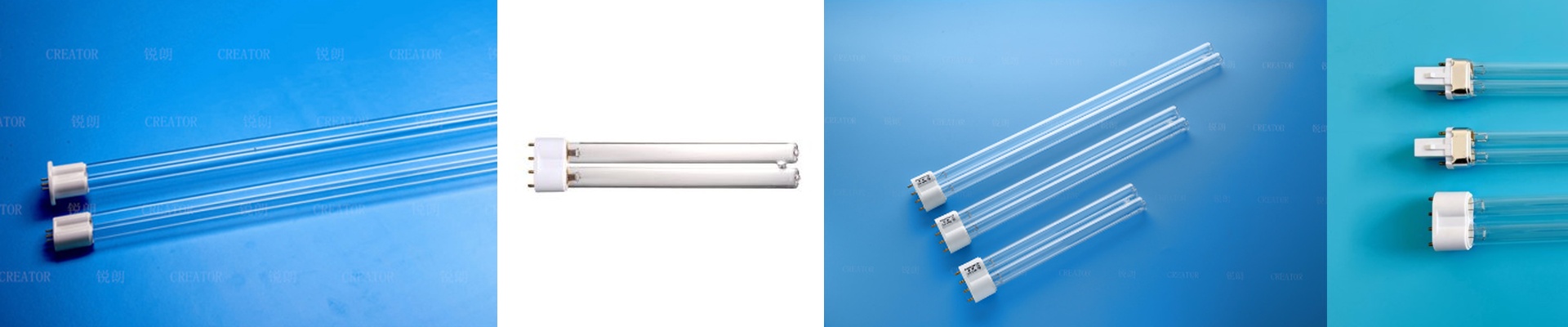
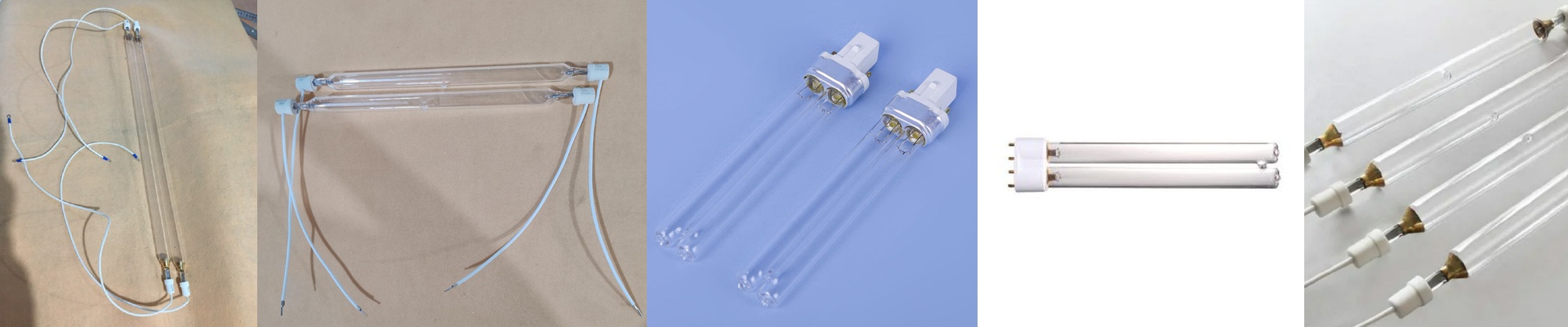
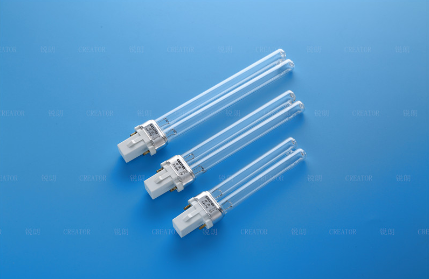
The UV curing floor is full of bargain lamps that sell you output on paper and hand you risk on the pallet. If your mercury vapor lamps aren’t CE-certified, that next shipment can get stopped at the border—and your 2026 lamp disposal plan can fail an audit. You need a lamp that’s traceable, testable, and compliant. What matters technically CE marking isn’t paperwork; it’s a design discipline. We build lamps around spectral stability, controlled peak irradiance, and documented end-of-life procedures. A 365nm-dominant mercury vapor lamp has to hold output within a tight tolerance band across the curing window, so your photoinitiators cross-link consistently. Reflector geometry and dichroic coatings are tuned to put usable UV intensity on the substrate, not waste heat. Integrated quartz sleeves and ozone-free operation cut maintenance and keep the workspace safer. Why it works in the real world In UV offset, flexo, and screen printing, your day runs on repeatable cure. With a CE-certified lamp, you get repeatable lamp-to-lamp performance, so color density and adhesion don’t drift from one replacement to the next. Fewer rejects, fewer washups, and throughput that stays stable. The lamp is engineered to hit the energy density your ink system needs, and the documentation clears customs across multiple markets without the usual back-and-forth. A few shop-floor details to get right CE-certified lamps work with most press architectures, but reflector alignment and power density have to match your fixture. Check connector type, arc length, and cooling airflow. Plan disposal early: mercury lamps need approved handling, and 2026 regulations tighten tracking. Keep the lamp’s serial number and test report handy—because when someone asks, you want to have the answer in seconds, not scramble for it.