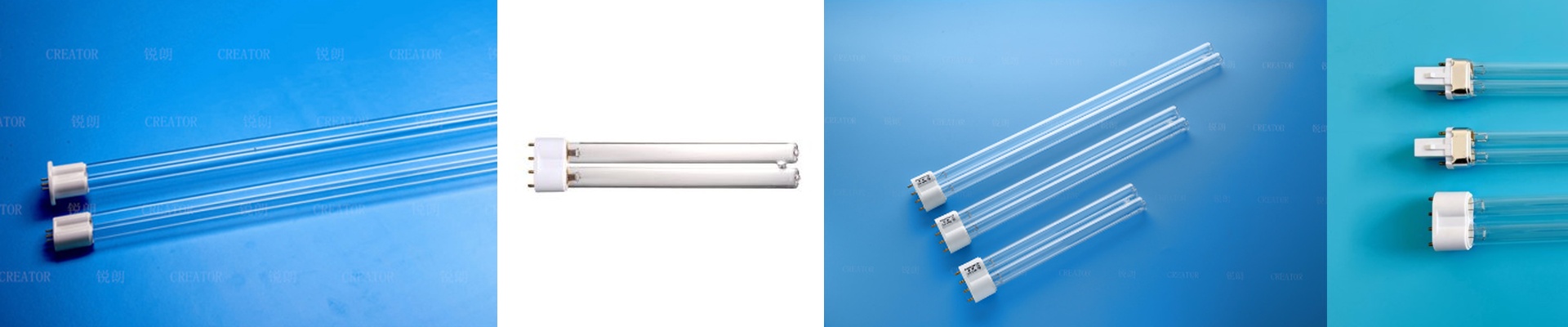
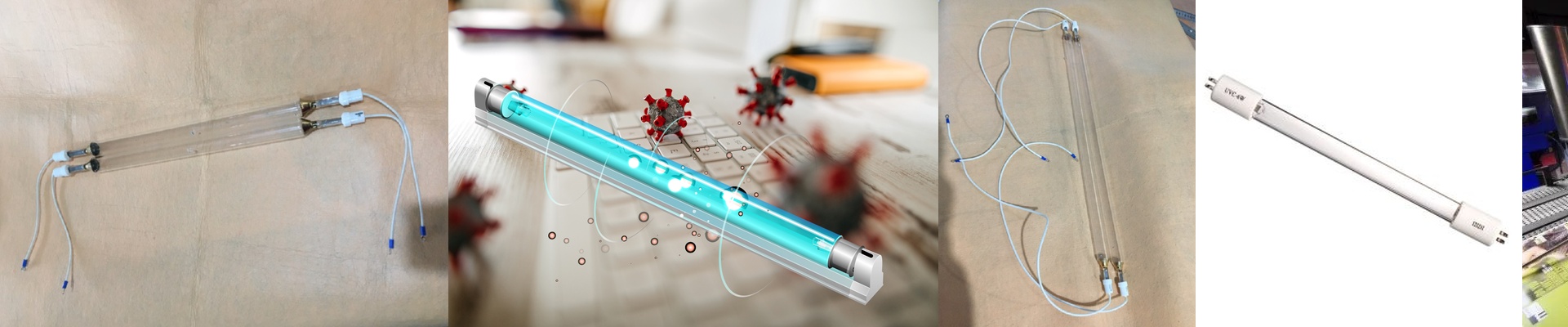
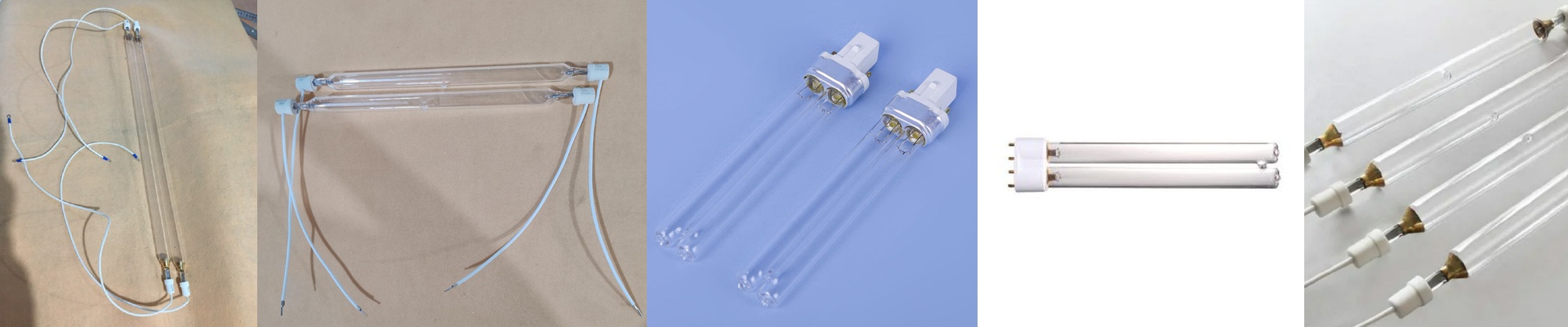
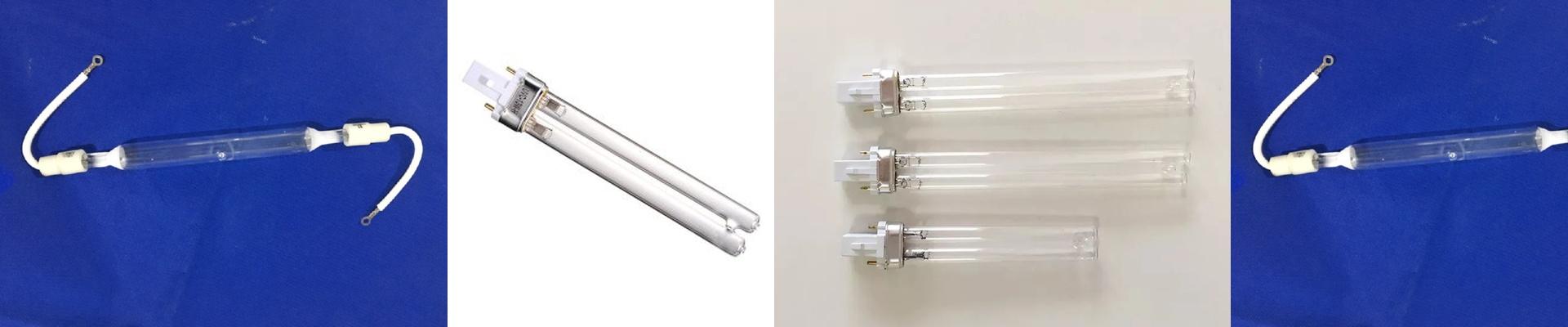
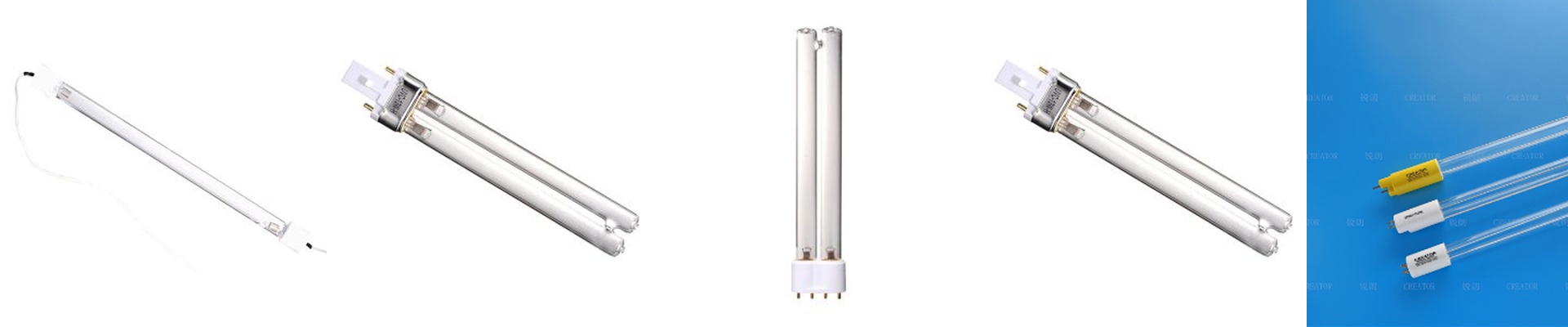
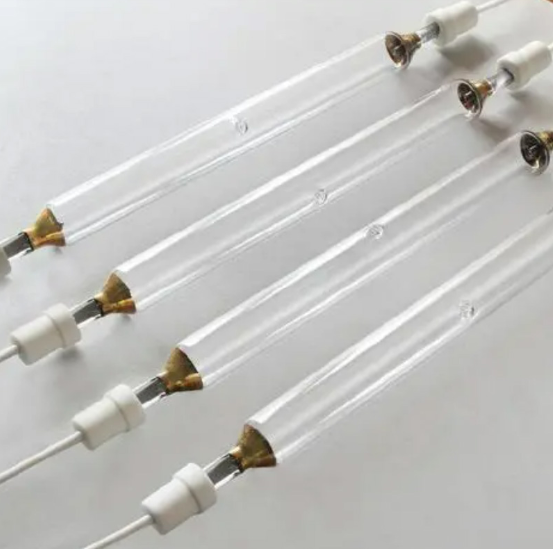
On a screen or flexo line, inconsistent cure isn’t a “maybe” problem—it shuts you down. Tacky ink, poor adhesion, and color shift usually trace back to the same thing: spectral output that doesn’t match the ink, and energy density that’s short. When I talk about UV lamps, I’m talking about a real trade-off: proven high-pressure mercury vapor systems versus modern UV LED modules. What matters is what you can measure. Mercury vapor lamps put out a broad spectrum, with real muscle around 365 nm. That gives you deep penetration and dependable cross-linking—especially through pigmented and opaque inks. We hold the arc stable and keep reflector tolerances tight on the dichroic coating, so peak irradiance stays consistent along the arc length. These lamps hold output steady over thousands of hours, with low spectral drift and predictable decay. UV LED systems are different: narrowband emission—typically 365 nm, 385 nm, or 405 nm—so you can match the photoinitiator absorption precisely. You get instant on/off, less heat load, and energy use that follows the curing profile without idling losses. Why does this matter when you’re specifying equipment? Because printers need uptime and repeatable quality. Drop our mercury lamps into high-speed screen and flexo units, and you’re delivering broad-spectrum energy that cures thick deposits and heavy whites without hot spots. Specify our UV LED modules, and you’re delivering consistent spectral output at the target wavelength—enabling faster curing at lower temperatures, which matters on heat-sensitive substrates. Either way, you’re working with light sources built for long life, stable intensity, and low attenuation. That means fewer spare lamps sitting on the shelf and fewer service calls. Here’s the practical part: compatibility isn’t optional. Match lamp geometry, connector type, and reflector focal profile to the printer’s optics. Mercury vapor systems need proper airflow and ozone management. LED modules need disciplined thermal interfaces and drivers matched to the diode array. Plan the integration around spectral radiometer data. Not around assumptions.