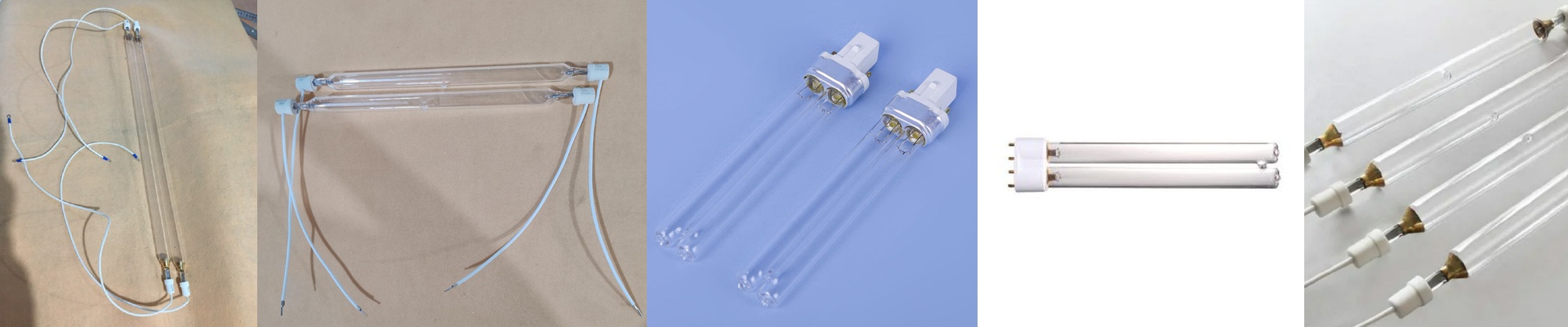
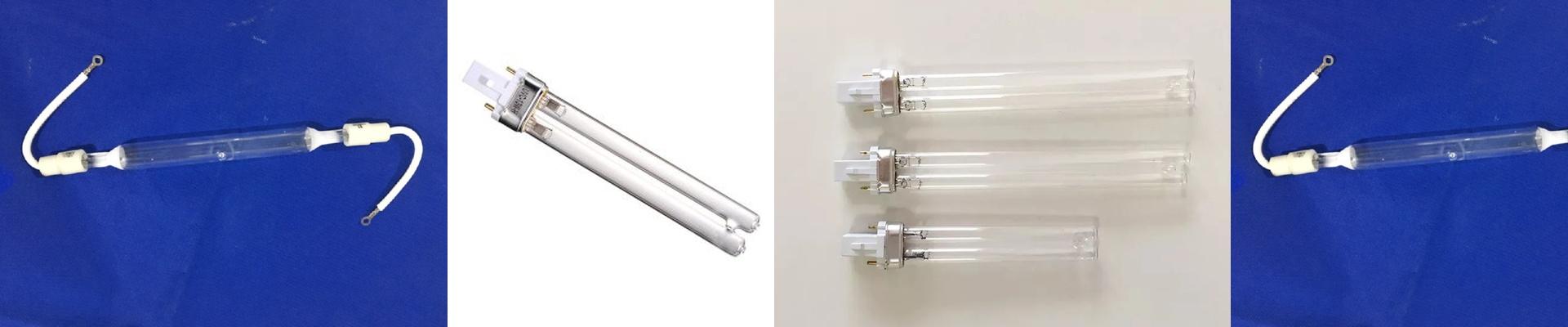
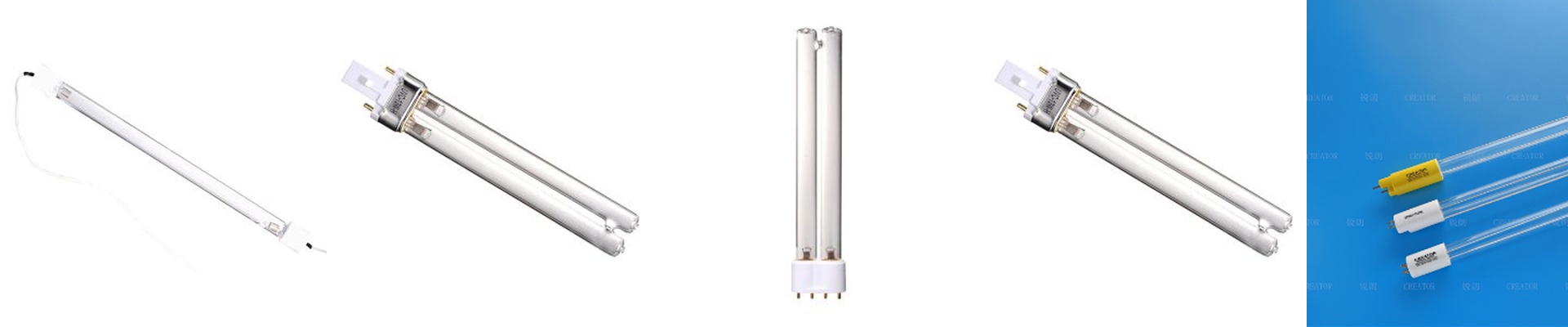
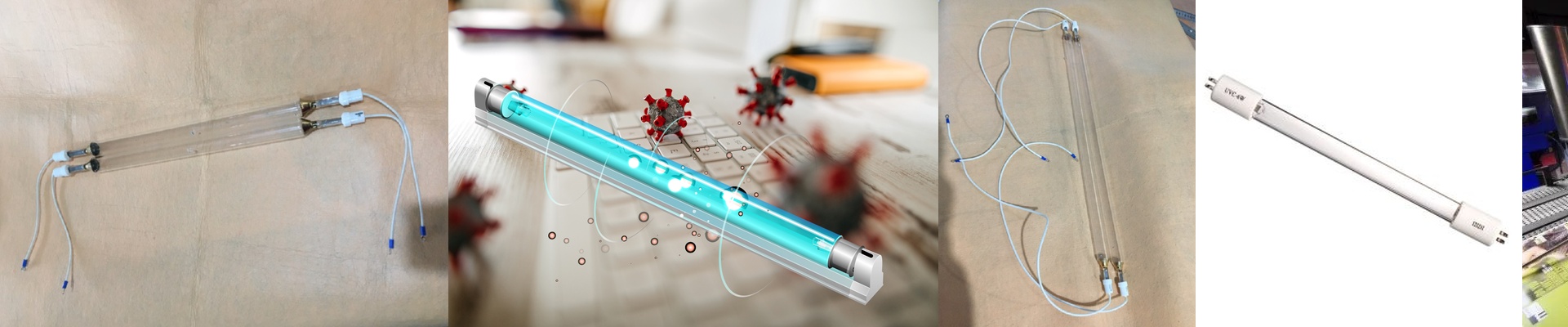
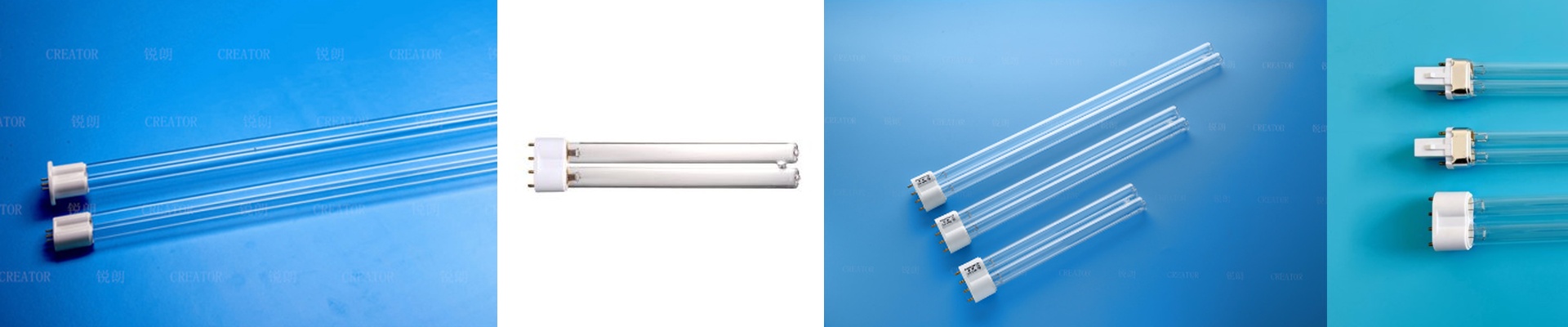
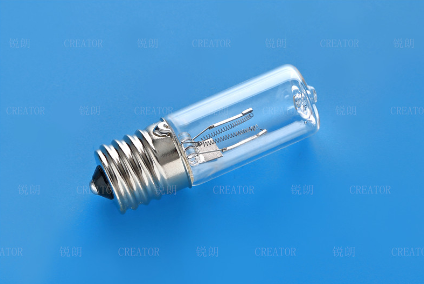
On an MHM press, downtime and inconsistent cure aren’t just aggravating—they’re immediate costs. When the OEM lamp starts to underperform, you see pinholes, adhesion failure, and unplanned stops. We built replacement UV lamps that match MHM geometry and hold output stability shift after shift, so your cure energy stays consistent. What matters technically We run high-pressure mercury vapor lamps, tuned with precise arc length, wall thickness, and doping to hit the photoinitiator absorption bands your ink relies on. Peak irradiance stays strong across the 240–400 nm band, with solid output at 365 nm and stable 385–405 nm shoulders for surface cure. The reflector uses a dichroic coating to cut IR heat and sharpen spectral efficiency, while keeping the focal profile tight. Expect 800–1200 mW/cm² peak irradiance at the web, depending on lamp power and reflector design. Lamp life targets 2000–3000 hours with less than 5% output decay—measured with a spectral radiometer, not a single-point UVC meter. Why it works in the real world Drop these lamps into MHM systems and you get repeatable energy density. The curing window widens and becomes less sensitive to line speed changes. The payoff? Fewer rejects, faster color-to-color changeovers, and adhesion that stays stable run after run. We match the arc to the energy draw, and the reflector design keeps heat off sensitive substrates, so warp and curl back off. You get OEM fit with performance that reduces variability—without paying OEM prices. Things to know before you swap Match lamp power, arc length, and terminal configuration to your MHM model and shutter mechanism. Confirm the connector type and verify water or air cooling—these lamps run hot, and insufficient cooling will shorten life. Give the lamp a short warm-up to hit spectral stability, and schedule intensity checks every 500 hours with a calibrated radiometer. If you’re running high-pigment or thick-layer inks, set lamp height and dose to avoid oxygen inhibition at the surface.