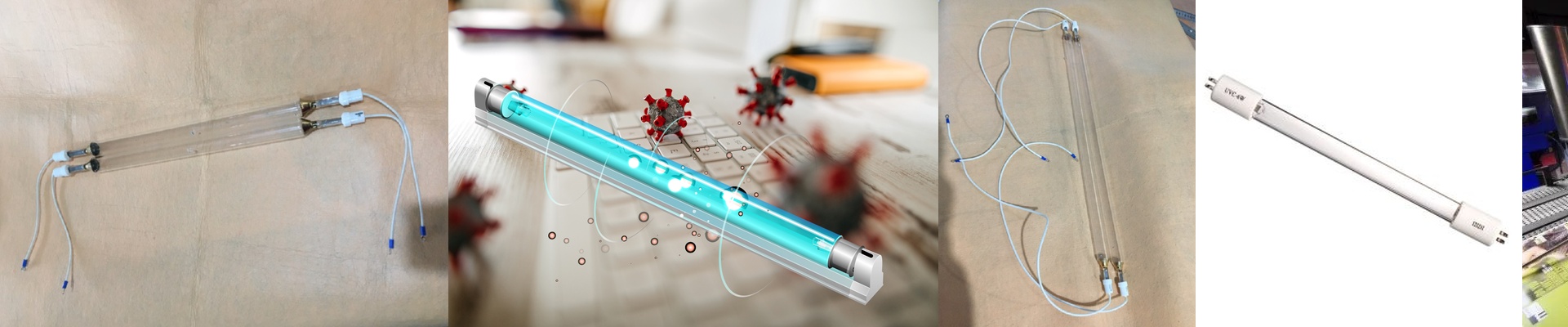
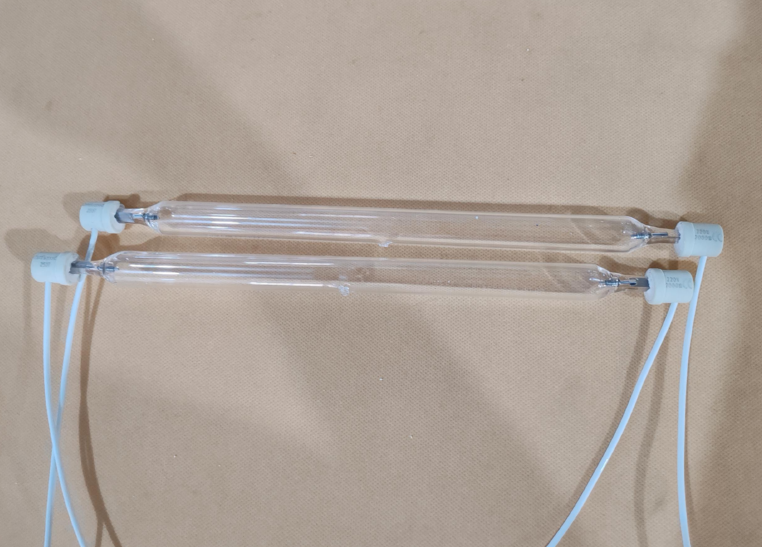
Getting the Most Out of Our 80W/cm Mercury UV Lamps
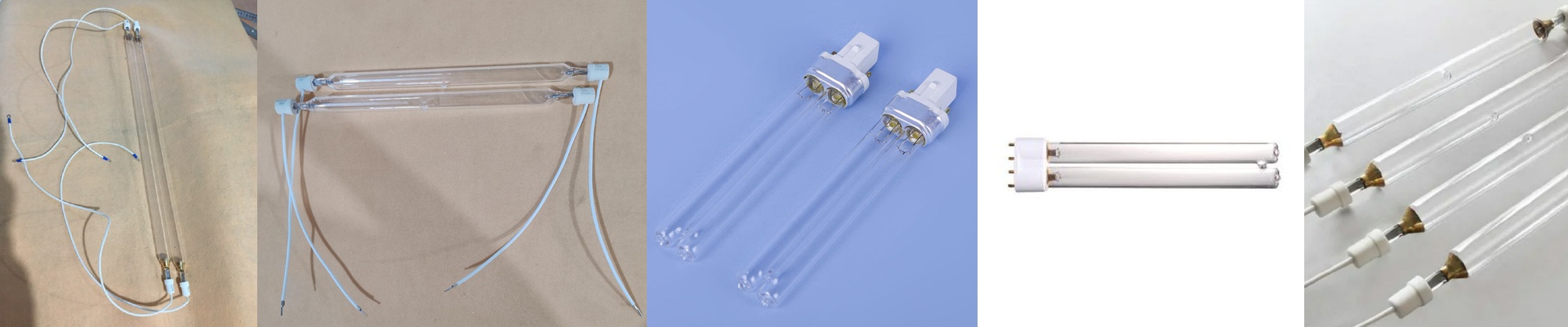
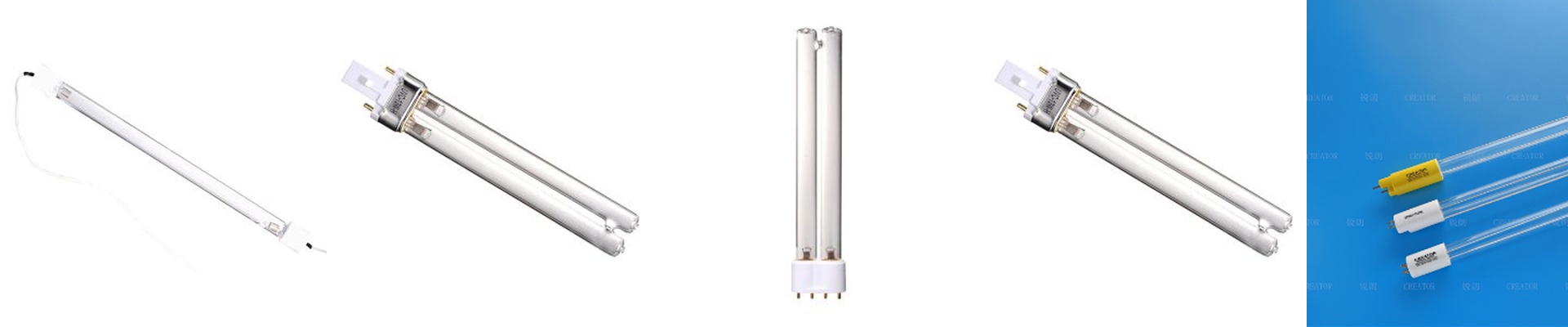
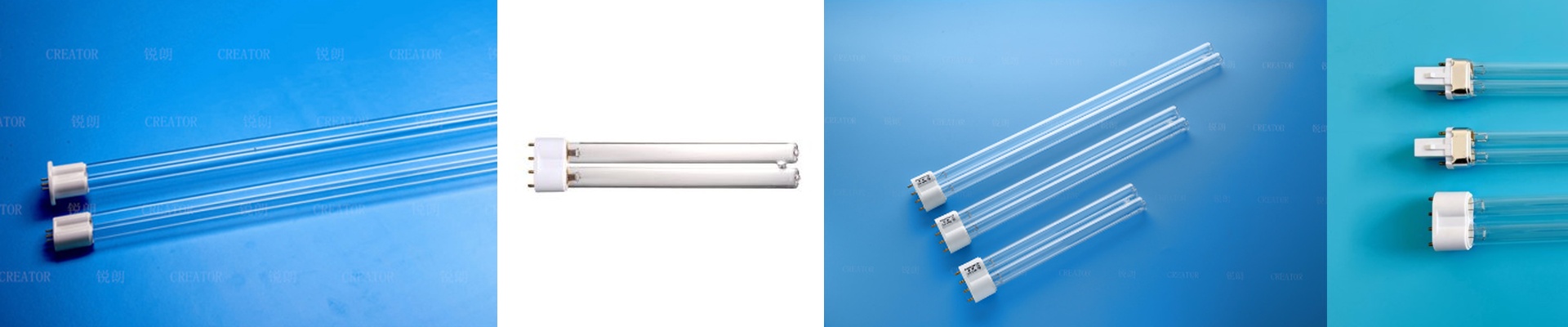
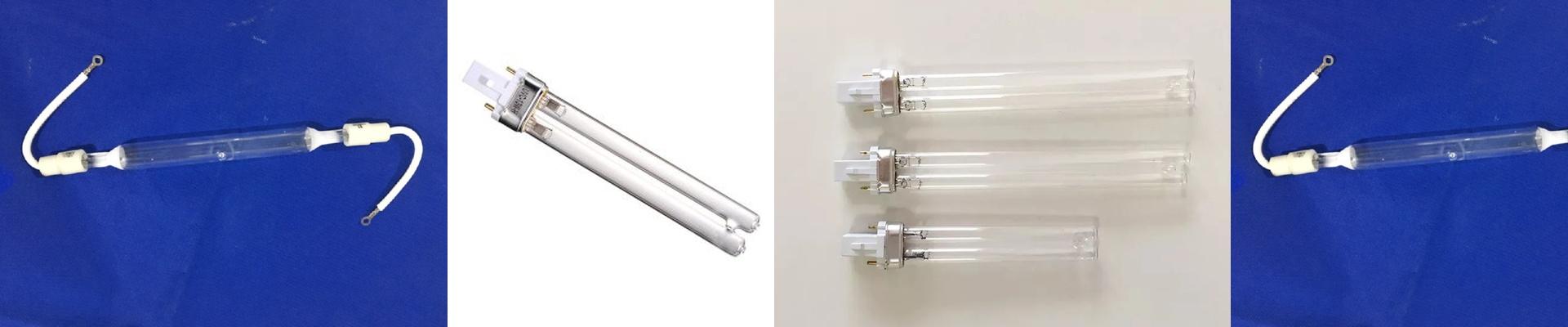
When you’re running a high-speed curing line, every millisecond counts. Your substrate is flying under the lamp, and you don’t have time for “almost cured.” That’s why we built our mercury vapor lamps to hit a steady 80W/cm. It’s all about packing enough punch into a short window of time to snap those polymers into place instantly. Dealing with the heat Here is the thing: 80W/cm is a lot of energy in a very small space. It gets hot. Like, really hot. To keep the tubes from cracking under that kind of pressure, we use high-purity quartz glass. It’s tough. But the glass is only half the battle. You’ve got to pair these with a ballast that actually does its job. If your power supply starts drifting, you’re basically asking for burnt-out electrodes or a dead tube. It’s just not worth the risk. How it actually works Inside the tube, we’re creating a plasma discharge in mercury vapor. This kicks out a wide range of UV radiation—mostly UVC and UVB. This is the “magic” that hits the photoinitiators in your ink or coating, breaking them down and locking them into solid chains. We spend a lot of time tweaking the gas fill. Why? Because nobody wants “dead spots.” You want the same level of cure at the end of the tube as you do at the start. The trade-offs you should know about Getting these wired into your oven is the easy part. The real challenge is the heat. Along with the UV light, you’re getting a massive amount of infrared energy. If your cooling fans aren’t up to the task, you’ll see it pretty quickly. Your substrate might warp, or worse, your ink will start bubbling before it even has a chance to cure. My advice? Use a dedicated exhaust system. Pull that heat away from the conveyor as fast as possible. It keeps the lamp running where it needs to be and stops your housing from turning into an oven.