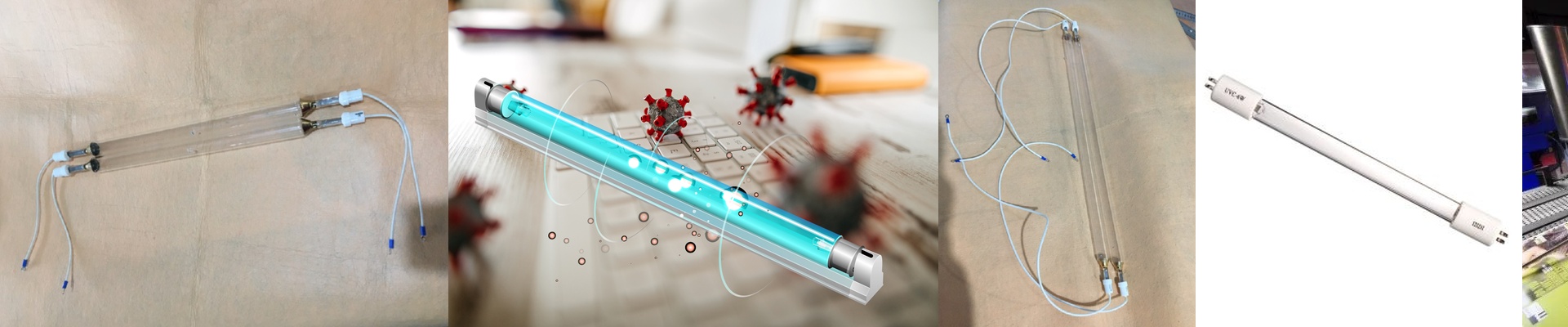
Let’s Talk About 120W/cm Mercury UV Lamps
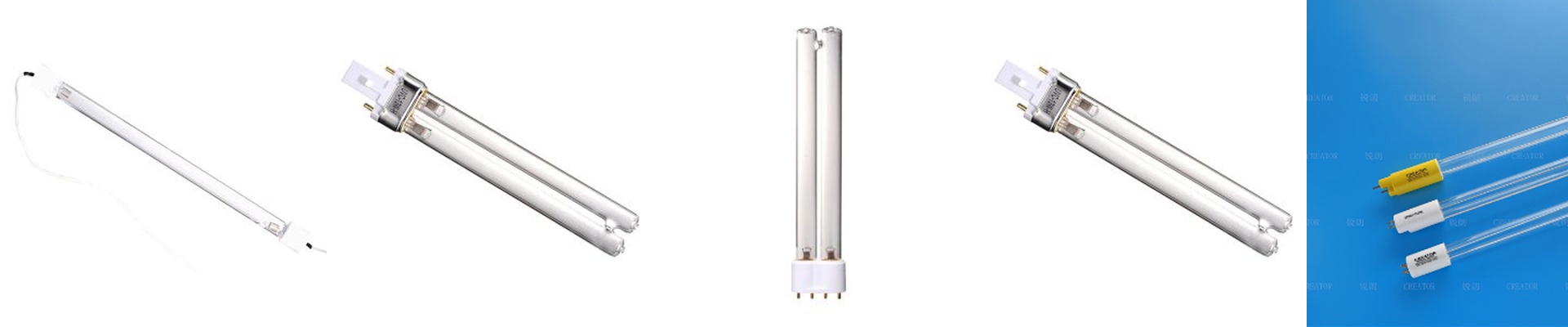
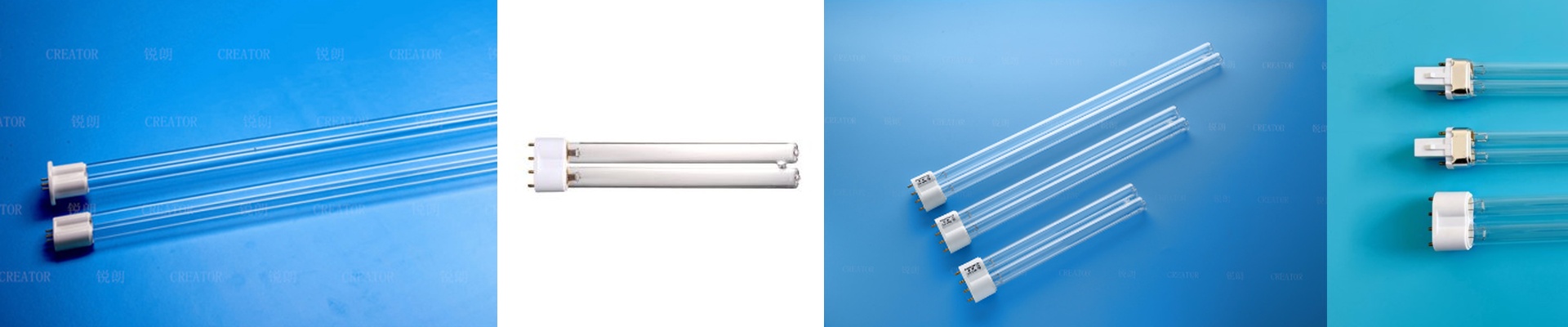
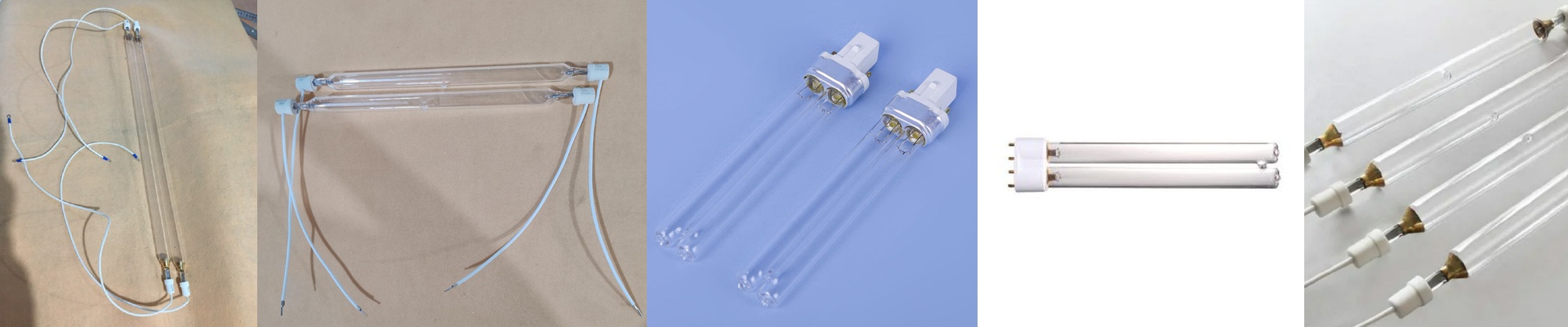
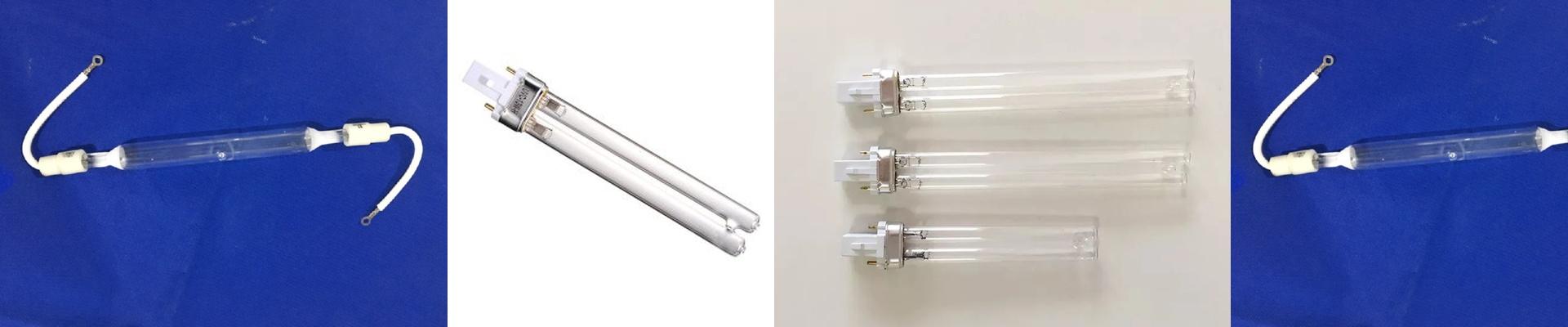
Ever wonder how ink goes from a wet drop on white fabric to a permanent, cured finish in a heartbeat? That’s where UV curing comes in. It’s basically the hidden engine of the whole textile line. To get the job done, we rely on the 120W/cm mercury lamp. Now, these aren’t your typical light bulbs. They’re high-intensity powerhouses designed to trigger a chemical reaction—photopolymerization—in a matter of seconds. Why the 120W/cm matters Here’s the thing: you need a specific amount of punch to break the chemical bonds in UV inks and coatings. That’s where the 120W/cm power density comes in. Because these mercury vapor lamps hit a wide spectrum (specifically UVC and UVB), they don’t just dry the surface. They reach deep into the pigment layers. And it’s all about speed. If you try to cut corners with lower wattage, your conveyor has to crawl. Or worse? You end up with “tacky” fabric. Nobody wants to throw away a whole batch because the ink didn’t set. Dealing with the heat We use high-purity quartz glass for these lamps so the UV light actually gets out. We also make sure the mercury arc is dead-center to avoid those annoying hotspots. But there’s a catch. These lamps put out a massive amount of infrared heat along with the UV. If your exhaust fans aren’t up to the task, you’re in trouble. You’ll warp your materials or even scorch the fabric. To avoid that nightmare, I always suggest a dedicated chilled-air manifold. It keeps the lamp surface stable and your fabric safe. Where they actually fit in You’ll usually see these lamps in three spots:
- Printing presses (for that instant dry)
- Coating stations (for waterproof finishes)
- Bonding units (for those seamless garment joins) They work great as a replacement for old, weak systems when you need to push more product through the door. Just a heads-up: check your ballast first. Make sure it can handle the current draw, or you’ll be staring at a blown fuse the second you flip the switch.