The Obsession with 0.5%: Why Spectral Precision Actually Matters
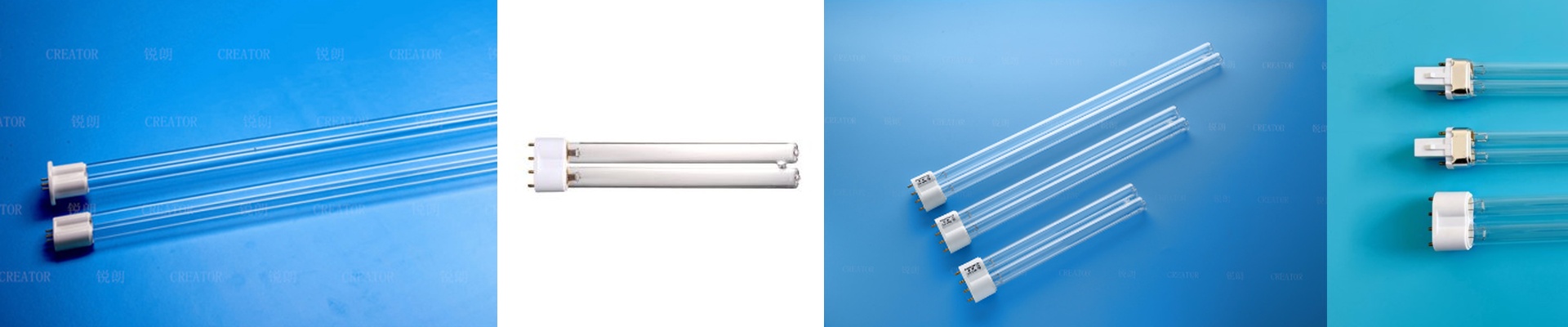
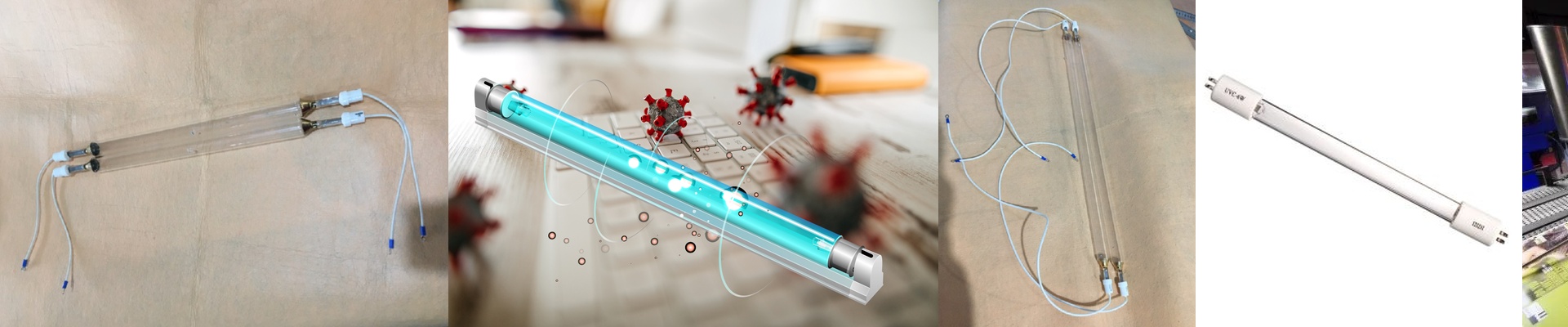
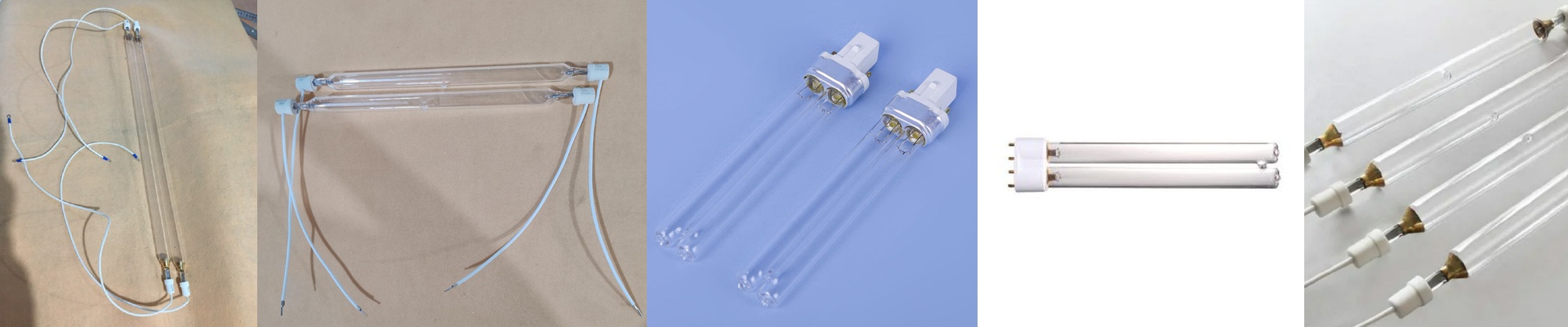
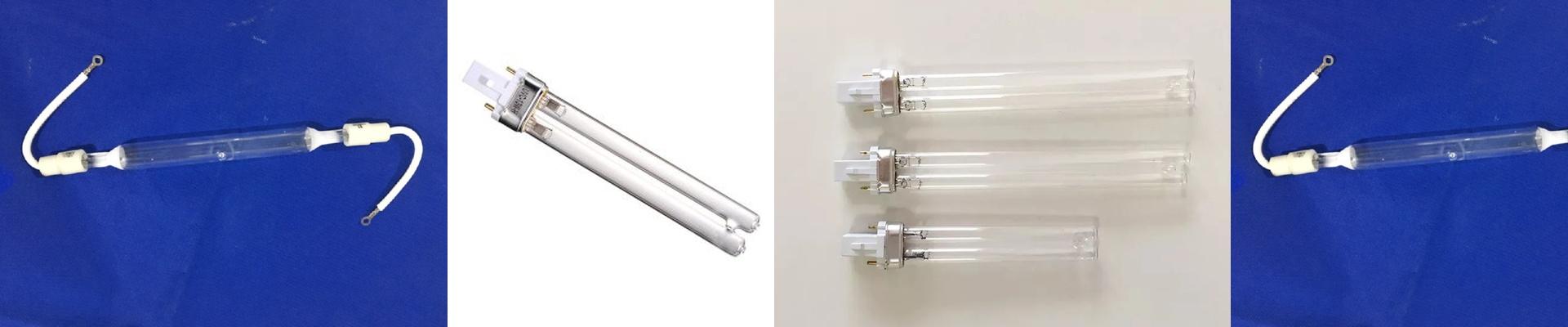
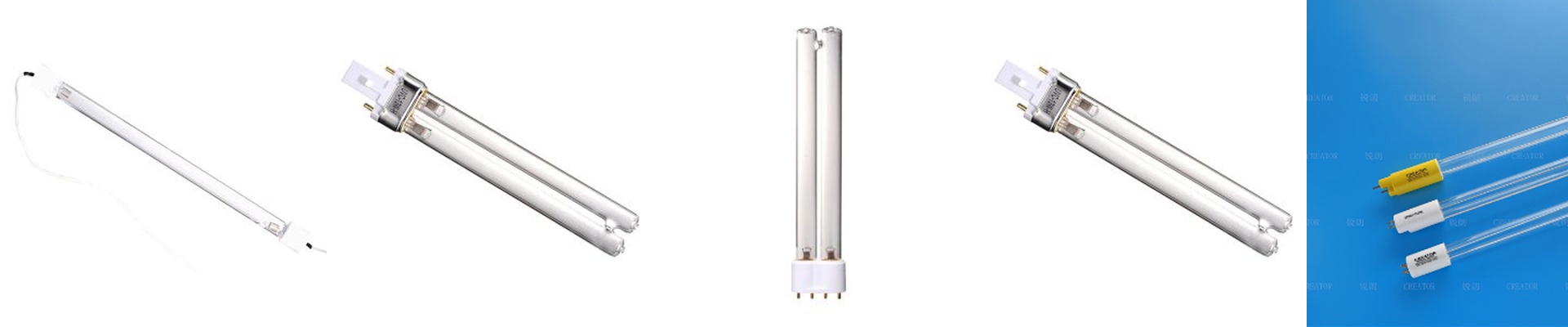
Most UV lamp companies talk about “stable” output. That’s a vague word. We decided to stop talking in generalities and spent months chasing a 0.5% spectral energy concentration instead. It sounds like a nerd’s game, but it’s really about the physics of curing. When your spectral distribution starts to drift, your cure rate dips. Then your production line slows down. Suddenly, you’re staring at a bottleneck that shouldn’t be there. Getting the glass right To hit that 0.5% mark, we had to get obsessive about the quartz envelope and the electrode chemistry. We use high-purity synthetic quartz because it doesn’t get in the way. Here’s the thing: if the quartz has too many impurities, it acts like a filter. It kills specific wavelengths and shifts the energy peak. We spec our tubes so the irradiance stays locked in the target nanometer range from one end of the lamp to the other. The heat struggle Keeping that kind of control means you have to be a stickler for temperature. We tweaked the gas fill—a specific blend of argon and krypton—to stop the plasma arc from “wandering.” That’s a common headache with cheaper lamps. You get incredibly consistent energy density, but it comes with a catch. Driving a lamp this precisely puts more thermal stress on the end-caps. And a quick tip: keep your reflectors spotless. A tiny layer of dust will scatter the light and completely wipe out that 0.5% precision we worked so hard to build into the tube. Putting it to work We made these as drop-in replacements. No need to rewrite your electrical blueprints or mess with your current ballast; they just wire up and work. Because the spectral energy spread is so narrow, your materials don’t have to sit under the lamp for nearly as long. That’s a big deal for thin-film work. Less time under the heat means less warping. We don’t expect you to just take our word for it, either. We provide the spectrometry data for every single batch, so you can see the peak wavelength for yourself before you even plug them in.