Introduction
If you’re running a wide-format printer, you need a UV lamp that’s all muscle. One that can cover a huge area and just keep up with the pace of an industrial line. Because on the floor, nothing is optional—speed and reliability are everything. The whole point? Hit the ink with intense UV light. Make it cure instantly. And keep that production line moving.
Let’s Talk Power
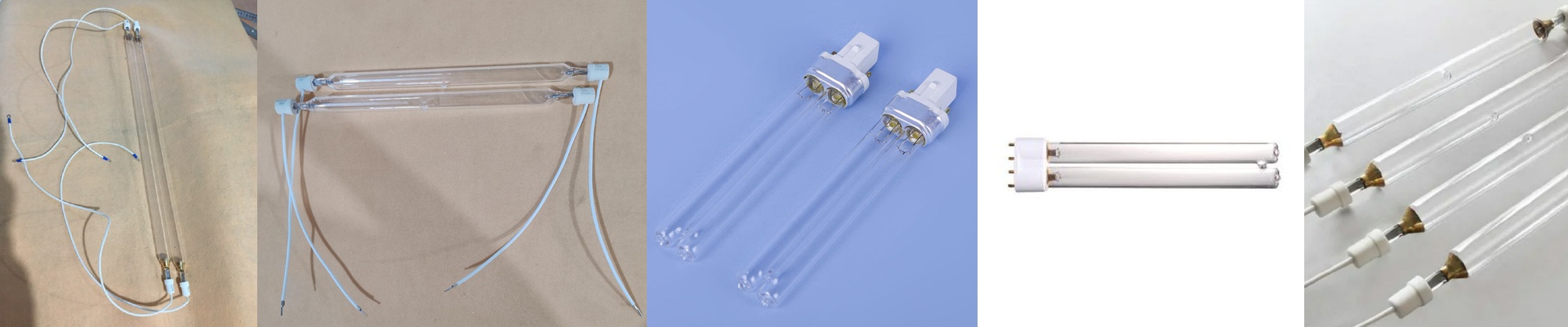
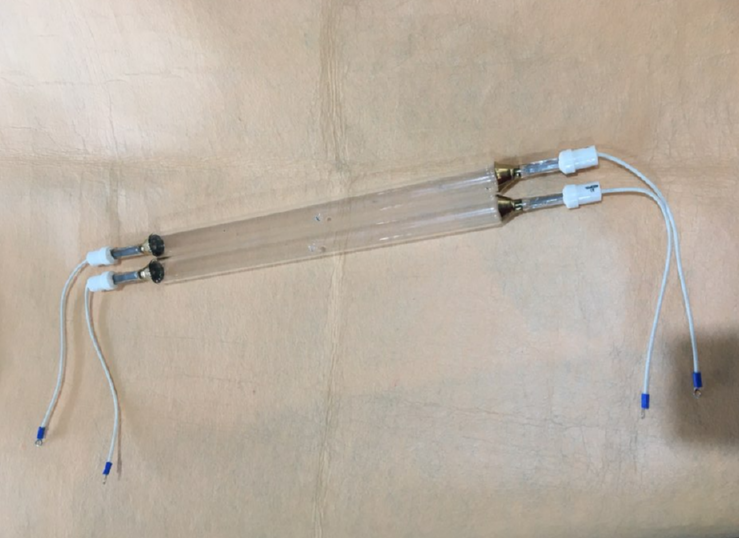
Here’s the thing about wide-format UV lamps: they have to pack a serious punch over a long stretch. So when we size them up, we match the tube length to your print width—anywhere from 300mm to 2000mm. That 400V high-voltage input? It’s there for a reason. It gives the bulb the kick it needs to start up and then run rock-solid, giving you the control you need over the arc. And the wattage? It scales right up with the length of the lamp and how fast you want that ink to set. Take a 300mm tube rated at 2500W. That’s a lot of heat packed into a small space. So, you’ve got to make sure your machine’s cooling system can handle the extra warmth.
What’s Inside
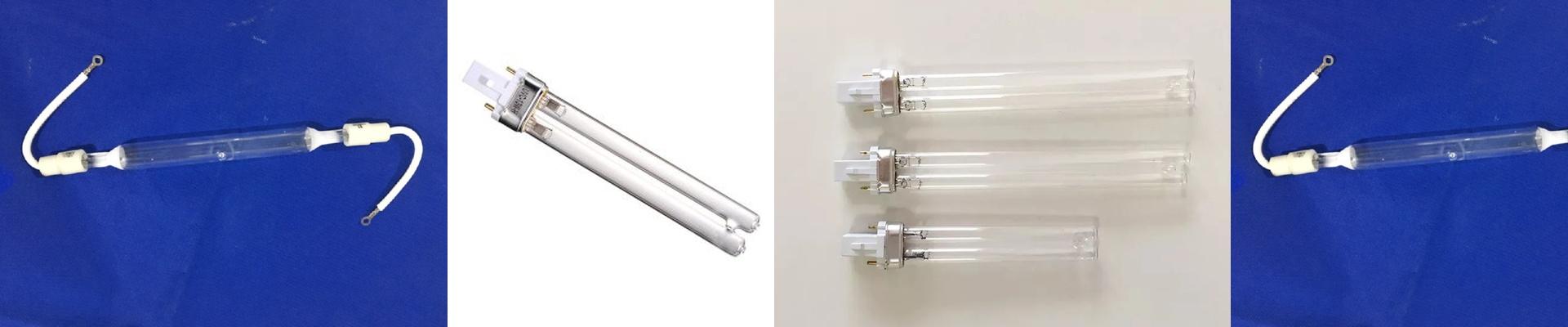
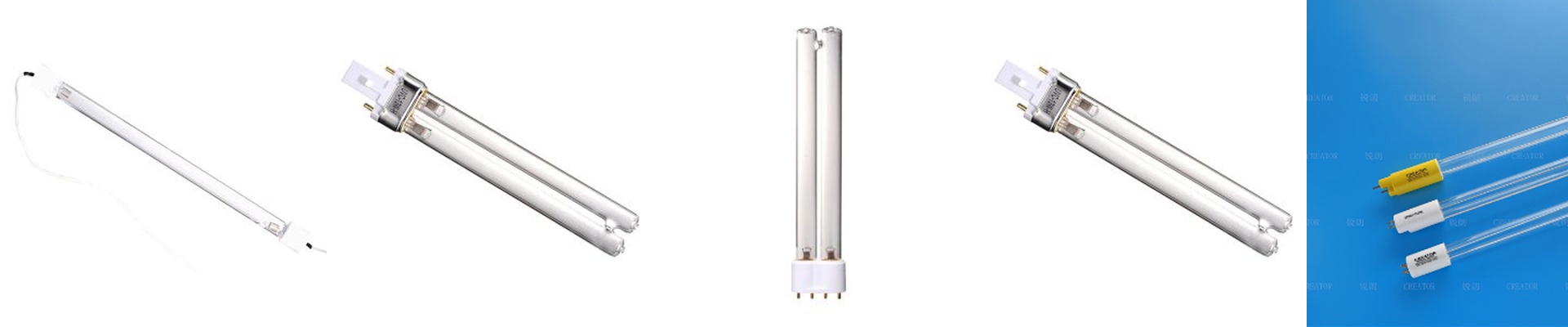
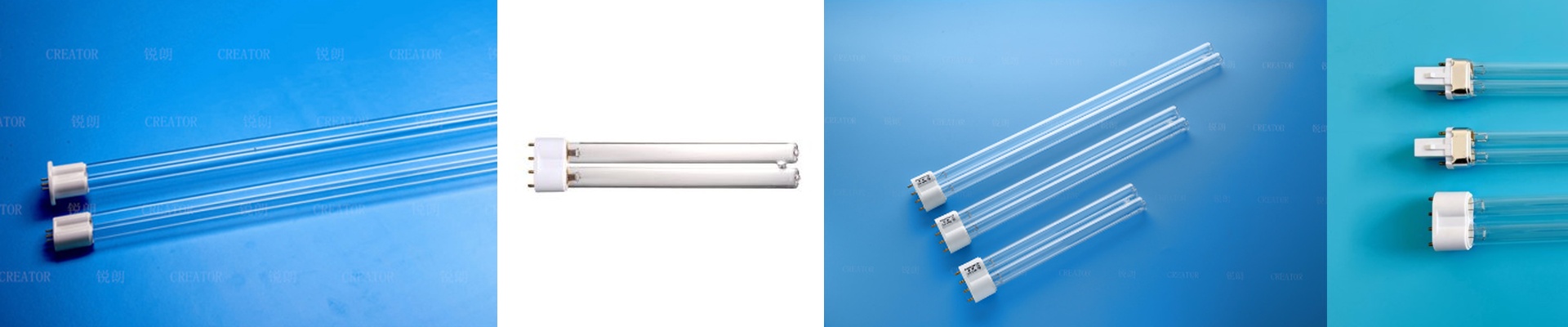
We build these lamps with quartz envelopes. They handle the heat shocks and let the UV light pass through cleanly. Inside, the coating is tuned to focus on the exact wavelengths that make the ink react and harden. The halogen fill keeps the output steady and the temperature even across the whole arc. On the hardware side, we give you options. An R7s connector makes replacement a snap—just drop it in. If you’re in a high-vibration environment, the SK15 connector locks in tight and keeps everything lined up perfectly.
On the Shop Floor
When this setup hits the floor, you feel the difference. Line speeds pick up. The ink cures instantly, which means less of that unpleasant off-gassing. The lamp fits right into standard wide-format frames, and the installation is straightforward. You get consistent results, but you can’t ignore the heat. High power means you need proper airflow and a smart reflector design. Otherwise, you’re just cooking your components.
How the Magic Happens
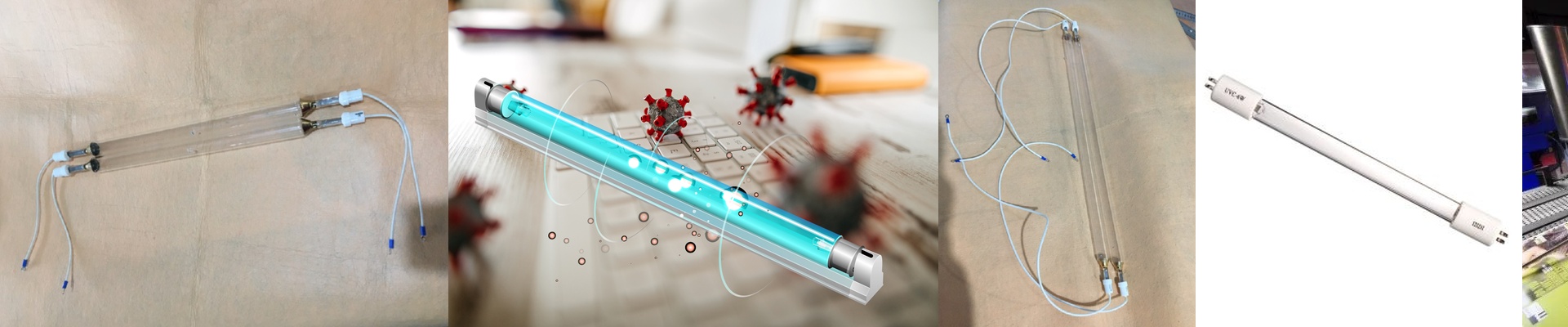
UV curing is all about using targeted, shortwave UV energy to wake up the photoinitiators in the ink. That kickstarts the polymerization, and the ink instantly forms a cross-linked network. With the right mix of power, voltage, and spectrum, you turn a wet coat into a solid film in seconds—no waiting for heat to slowly soak in.
The Bottom Line
Higher wattage gets you the speed you want, but it also brings the heat. So, plan your cooling. Make sure the voltage is right. And pick the connector that fits your machine. When you match the lamp to the job, you get steady, reliable output. And that means fewer headaches and fewer stops on the line.