Making UV Curing a Little Greener (and a Lot Simpler)
We’re changing how we think about UV curing. By 2026, the goal isn’t just about hitting a certain power level—it’s about getting the nasty hazardous waste out of your shop. We’ve spent a lot of time rethinking our high-pressure mercury lamps. Instead of making something you’ll just toss in a few months, we’ve built hardware that actually lasts.
The nitty-gritty on how they work
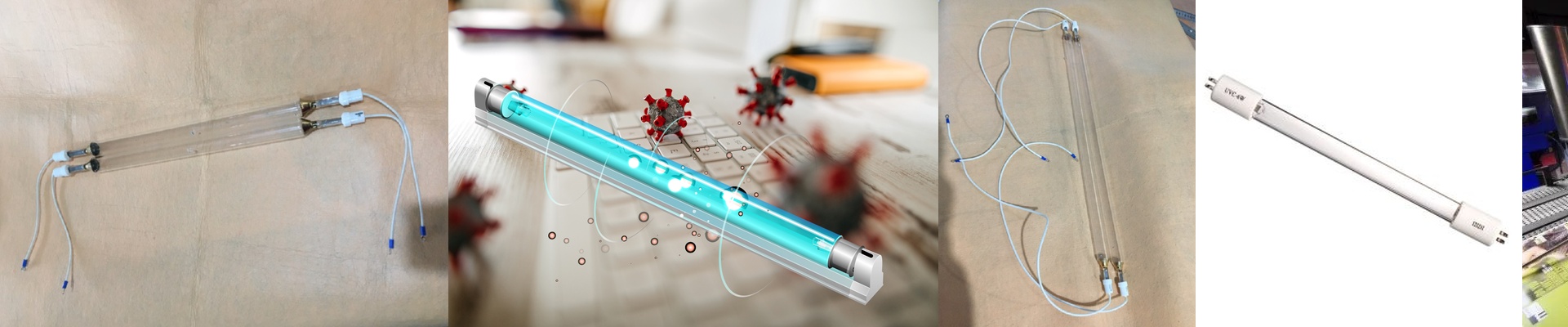
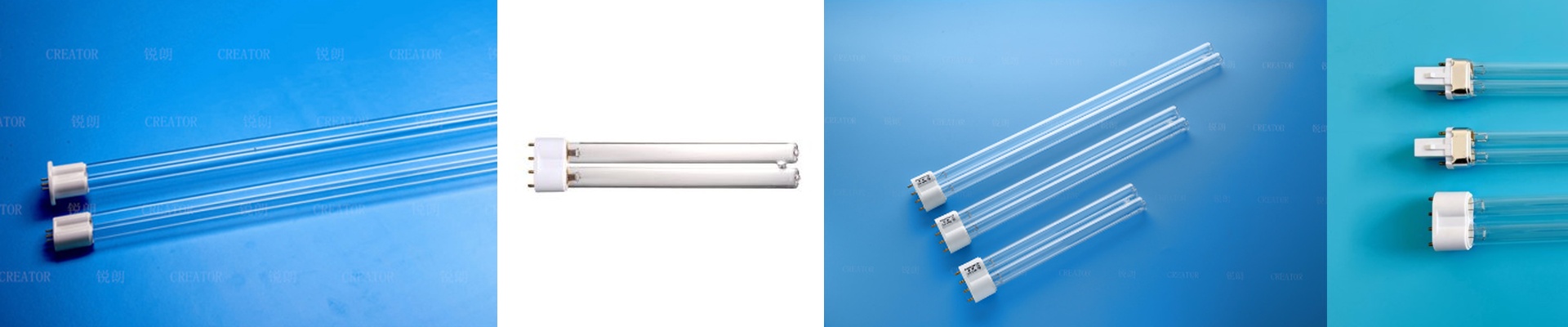
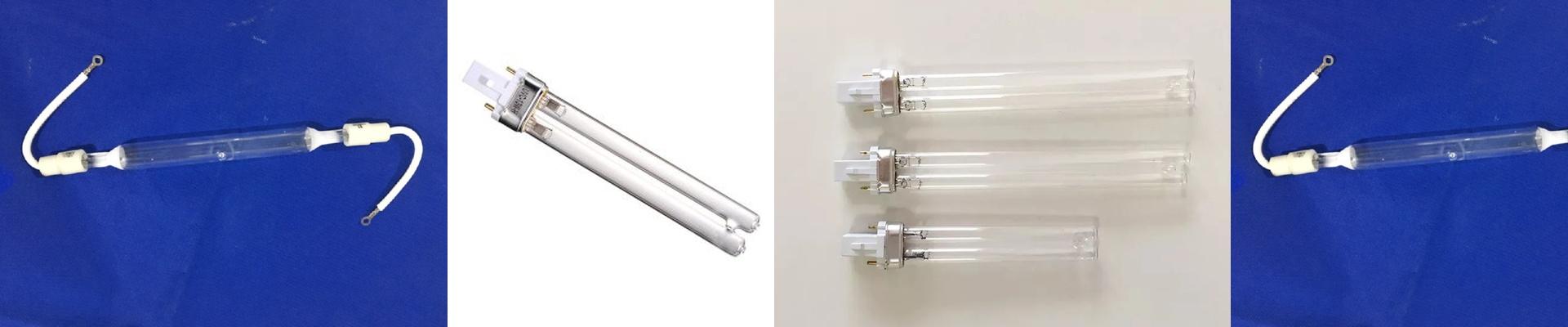
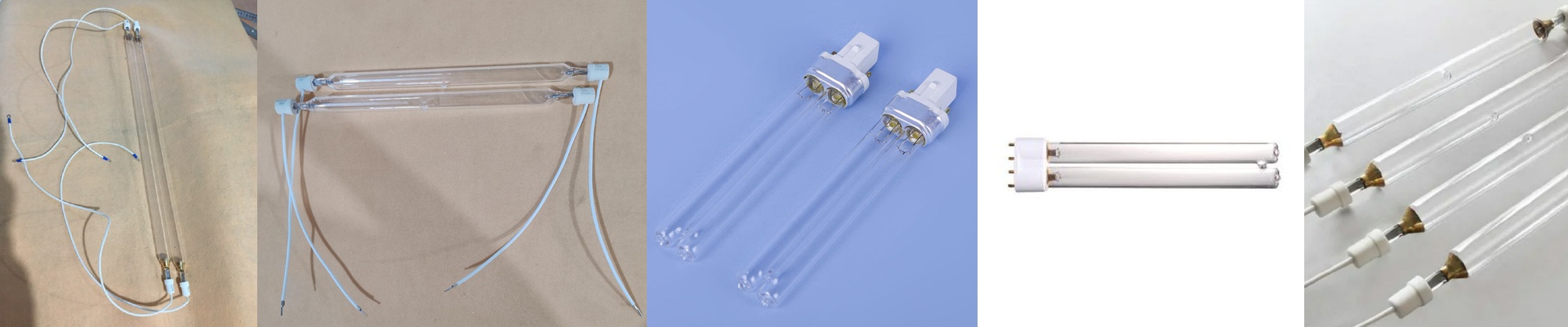
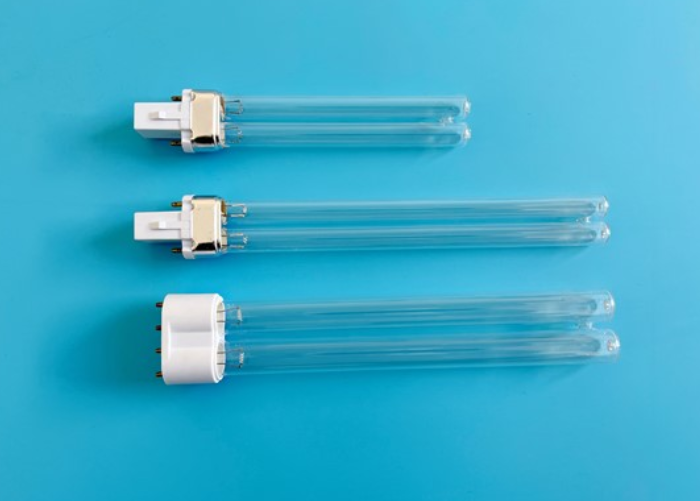
Basically, these lamps create a plasma arc between two electrodes. Now, there’s always a tug-of-war between wattage and the size of the tube. If you crank up the power density, you get more UV-C output, but you also put a ton of stress on the quartz glass. To stop the lamps from burning out too early, we use high-purity fused quartz. It resists “solarization”—that annoying fade where the lamp loses its punch after a few hundred hours.It stays strong, longer.
Better materials, fewer headaches
Let’s be honest: disposing of old UV lamps is a pain. We wanted to fix that. We stripped out the problematic materials and tweaked the mercury levels. The result? A much smaller environmental footprint, but you still get all the UVC power you need. We also messed around with the electrode metallurgy to keep the tungsten from migrating too fast. That means you aren’t spending your weekend swapping out tubes every few weeks.
Getting them onto your floor
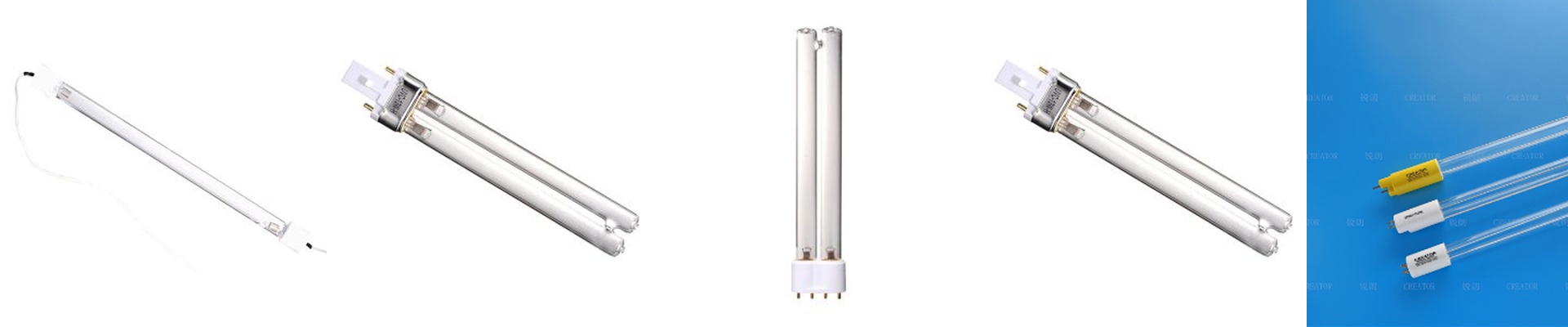
The best part is that these are drop-in replacements. You just wire them into your current ballasts and you’re good to go. No need to rip out your whole setup. But here’s the thing: high-output mercury lamps gethot. I mean, really hot. If you’re pushing the wattage to the limit, you have to make sure your cooling fans and heat sinks can actually handle the heat. If your airflow is weak, the quartz will overheat and you’ll kill the lamp way before its time. Just keep an eye on your reflectors and keep them clean. It keeps the whole system running lean and mean.