Stop Just “Adding a Lamp” to Your Line
For a long time, UV sterilization was pretty basic. You’d just slap a curing lamp onto a conveyor belt and hope for the best. But we’re moving past that. Now, it’s more about treating light energy like any other precise tool in your shop—something you can dial in and control exactly.
Getting the energy right
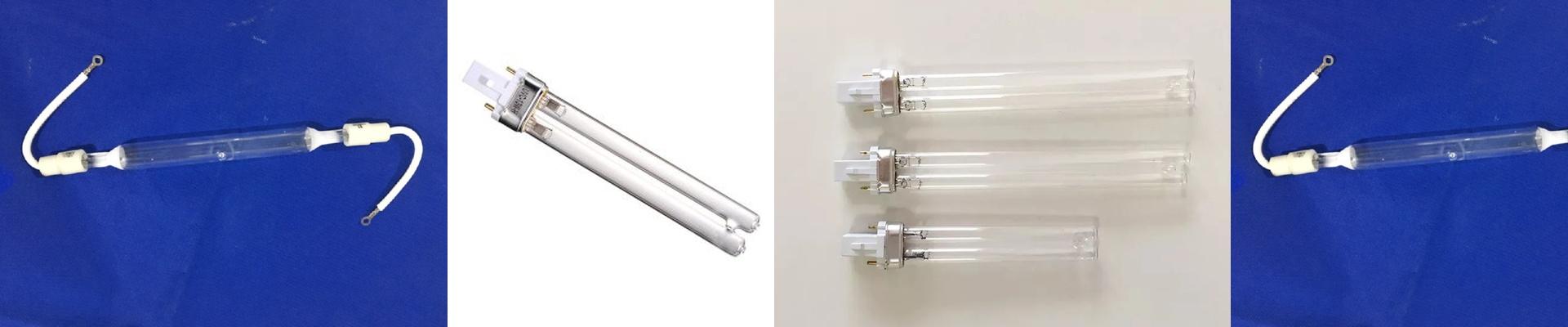
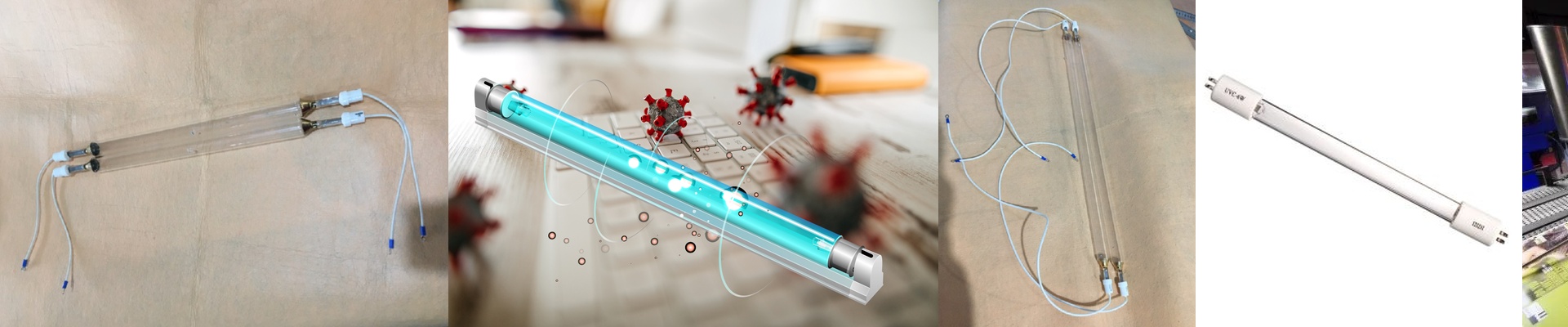
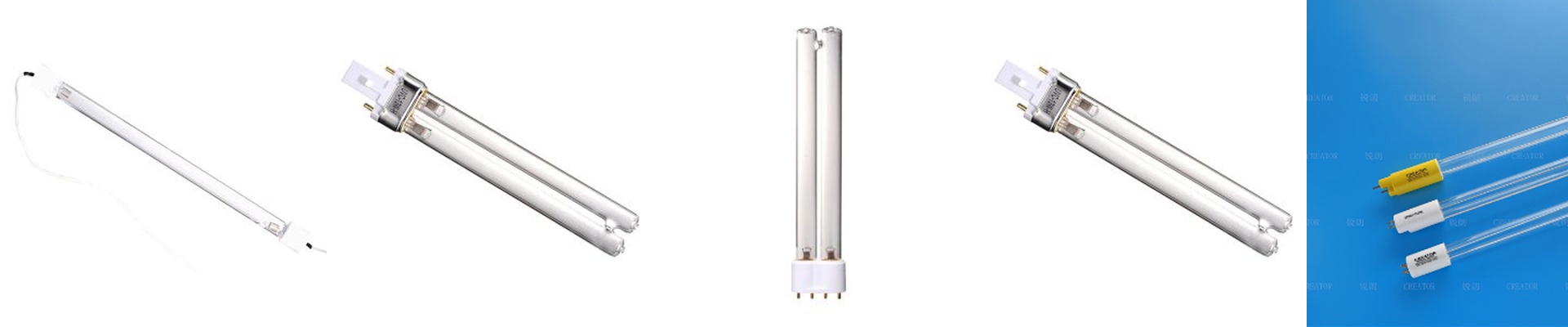
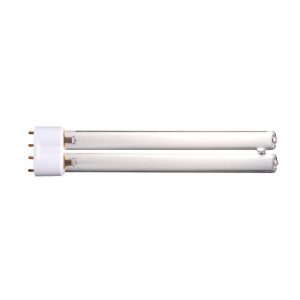
Here’s the thing: most old-school UV systems are basically heaters that happen to kill germs. They waste a ton of energy. We’ve shifted the focus to narrowing that output specifically to the 254nm UVC range. By tweaking the lamp geometry and the ballast, we’ve managed to cut down the power draw per square meter. The result? You get the germicidal punch you need without turning your conveyor or housing into an oven.
Hardware that actually talks to you
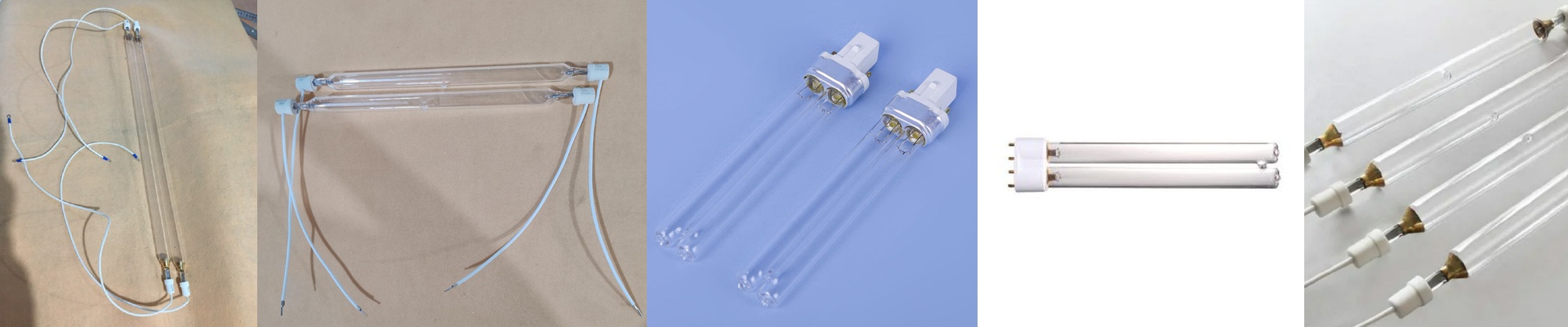
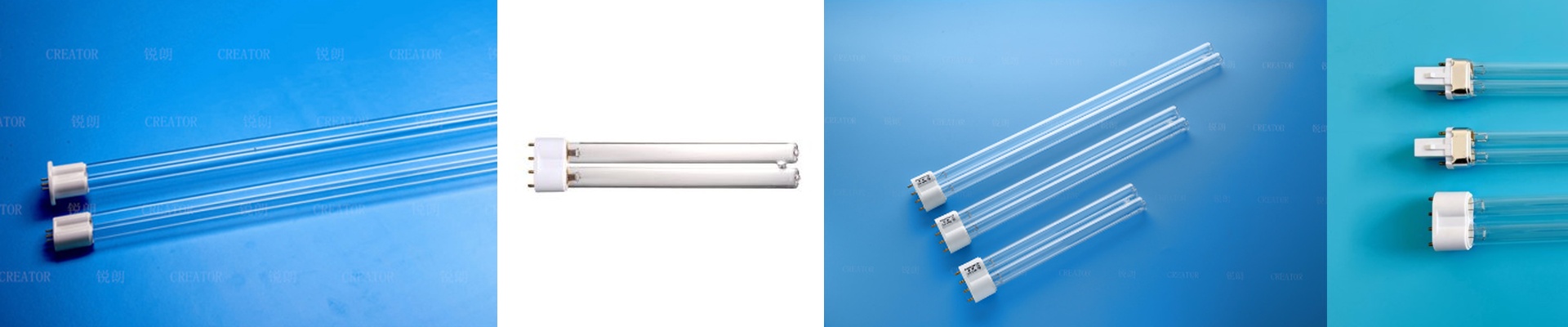
If you’re running a modern plant, you need data. You can’t just “guess” if a bulb is still working. Our systems plug straight into your PLCs via Modbus or Profinet. It’s simple. Instead of walking the line to check lamps, you get a real-time alert the second a voltage drop happens. It takes the guesswork out of maintenance. We also use a specific kind of doped quartz glass. It lets more photons through and stops the tube wall from soaking up the energy. More light hits the target, less gets wasted.
The honest trade-offs
Look, there’s no such thing as a perfect setup. There are always give-and-takes. If you crank up the wattage for maximum throughput, your electrodes are going to wear out faster. It’s a balancing act. You have to decide if the extra speed is worth swapping lamps more often. And a quick tip on the install:use shielded cabling. UV ballasts can put out a lot of electrical noise (EMI). If you don’t ground the system properly, your sensors will start acting erratic, and you’ll spend hours chasing a ghost in the machine.
What this does for your bottom line
When your UV system stops acting like a space heater, your facility breathes easier. You don’t need massive fans or a beefed-up HVAC system to fight the heat. That’s less power pulling from the grid and fewer parts to maintain. It just makes the whole operation cheaper to run.