Getting UV Curing Right in Your Textile Line
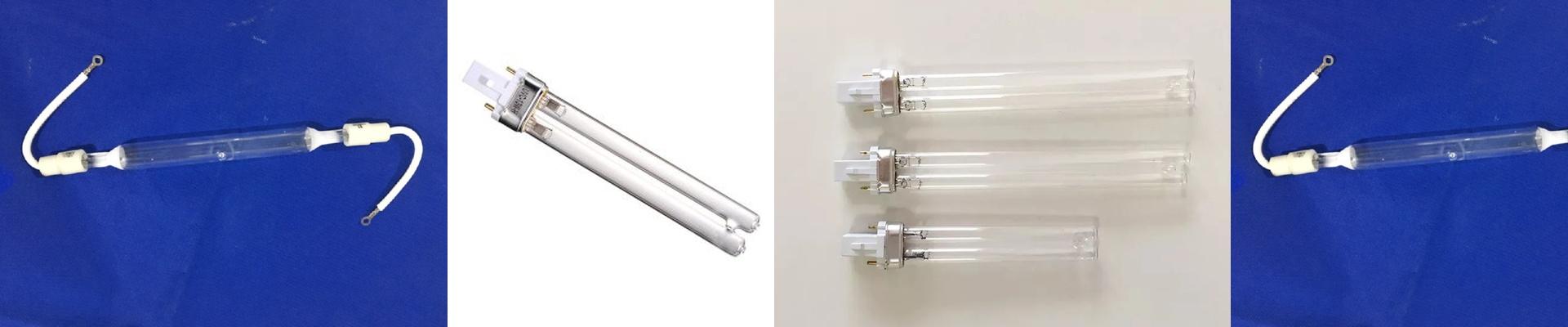
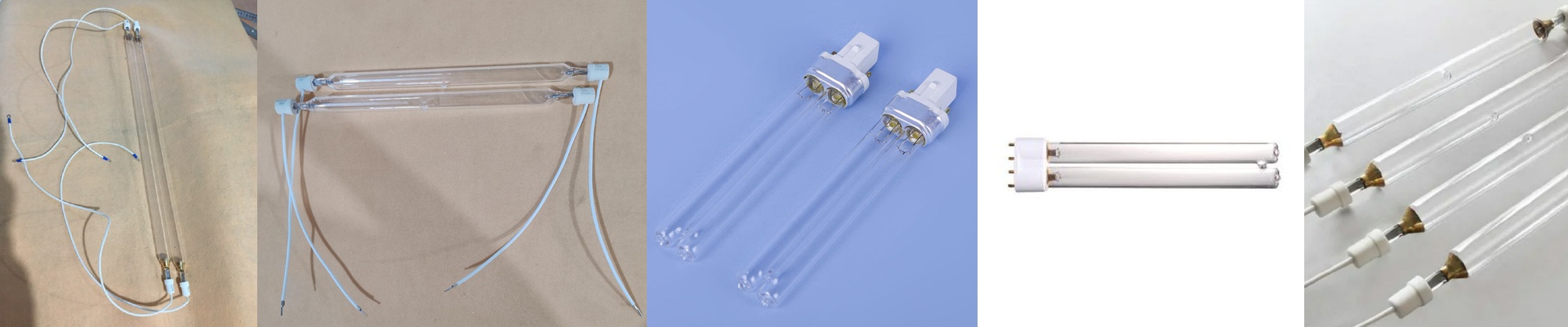
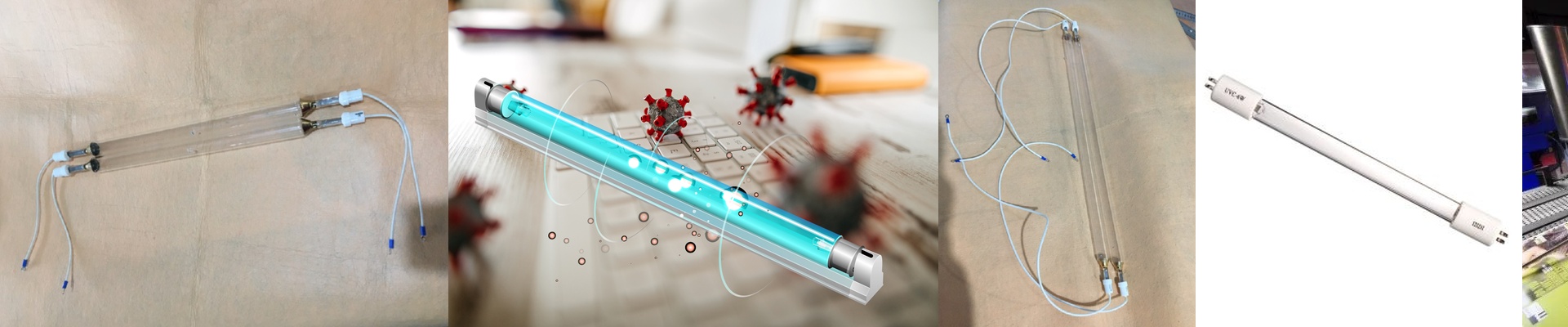
Most people think UV lamps are just for drying ink. But if you’re running a modern textile line, they do so much more. We’re using them for everything from prepping the fabric to locking in those functional coatings. It’s a huge shift. Instead of waiting for a massive thermal oven to do its thing, you’re getting an almost instant cure.
Making the Automation Actually Work
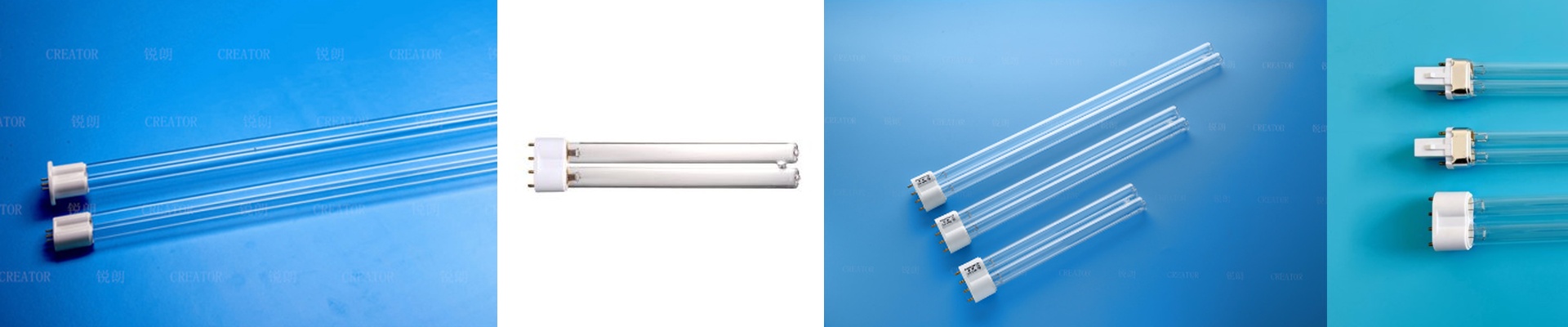
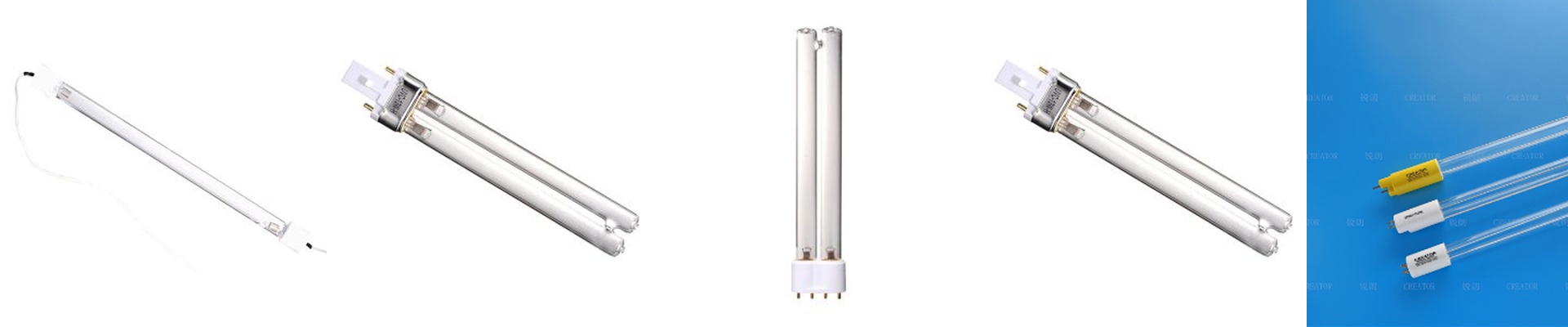
If you’re automating this, you can’t have “dead spots.” You need the same amount of UV light hitting the fabric from one edge to the other. Here’s the tricky part: speed. If you crank up the line speed, you’ve got to make a choice. Either bump up the wattage or move the lamp closer to the fabric. You need that punch of high-intensity light to actually trigger the resin. We usually go with mercury-vapor or UV-LED arrays. LEDs are great because they have a tighter spectrum. That means you aren’t accidentally scorching your fabric. They cost more upfront, sure, but they save you the headache of ruined materials.
The Hardware Headache (and how to fix it)
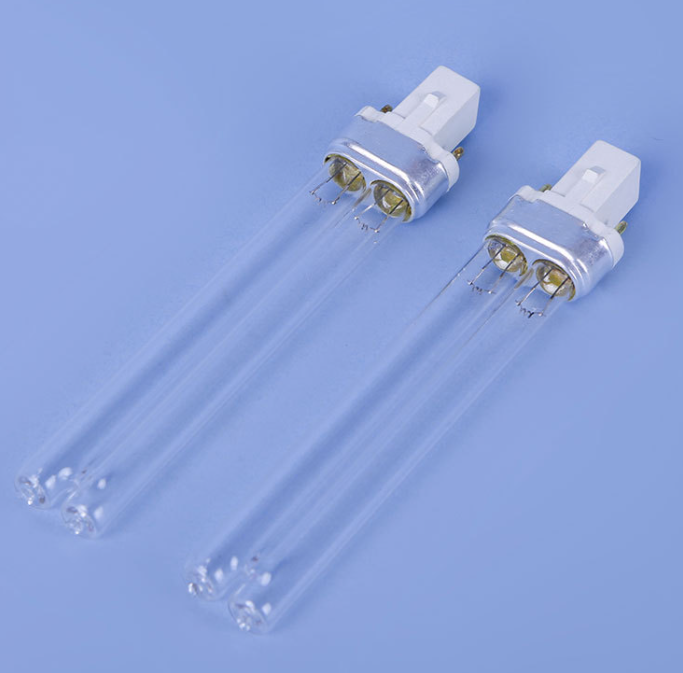
Wiring these into a production line isn’t just about plugging them in. You have to deal with heat. UV lamps put out a lot of infrared energy. If you aren’t careful, your fabric will warp. You’ll need a solid cooling setup—think forced air or water-cooled jackets—to keep things chill. We usually design these to just slide right into the spot where an old thermal station used to be. They take up way less space, but the power hit is concentrated. Just double-check your electrical panels. Those high-wattage ballasts can cause a nasty surge when they first kick on.
What You Gain (and Where it Gets Messy)
The best part? You can ditch those endless drying tunnels. Your factory floor suddenly feels a lot bigger. Since the cure happens instantly, the garment can go straight into packaging. It’s fast. Really fast. But there is a catch. I call it the “shadow effect.” UV light travels in a straight line. It doesn’t bend. So, if your garment has a fold or some overlapping layers, those hidden spots just won’t cure. You’ll either need to get creative with your fixtures to expose every single surface, or you’ll have to live with some inconsistent spots in the deep creases.