A Better Way to Cure PCBs: The Lowdown on Gallium Iodide (GaI) Modules
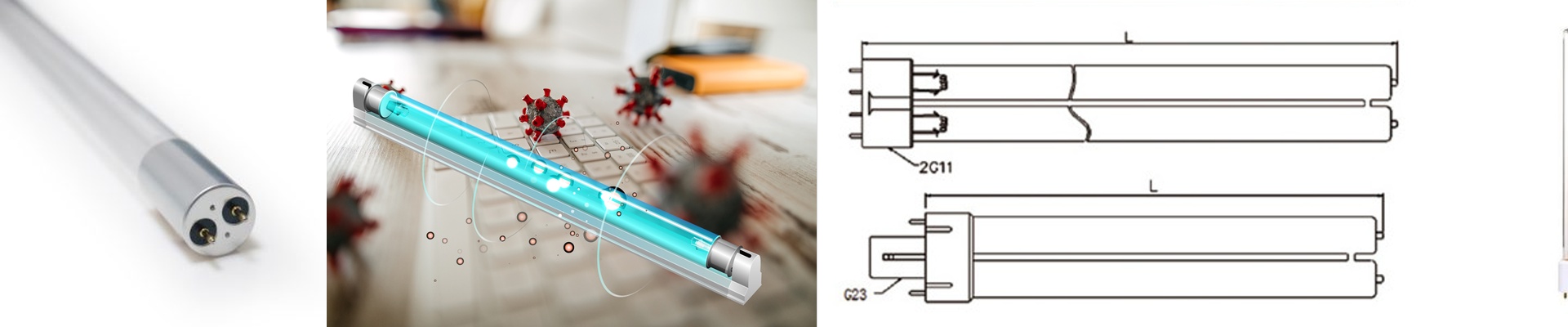
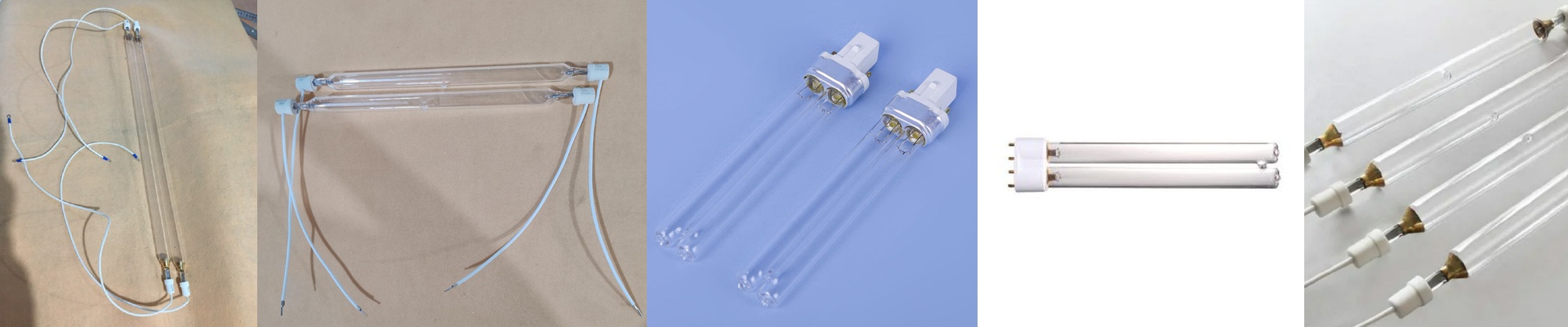
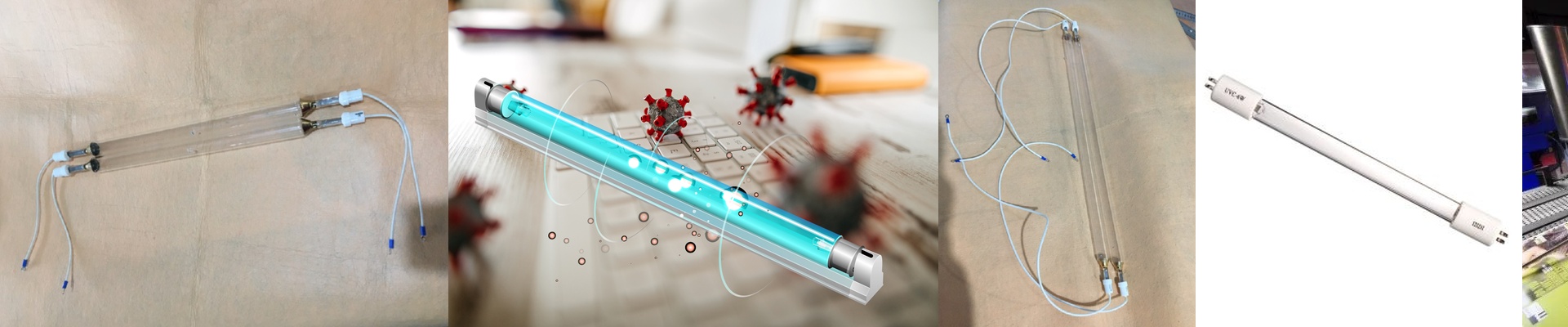
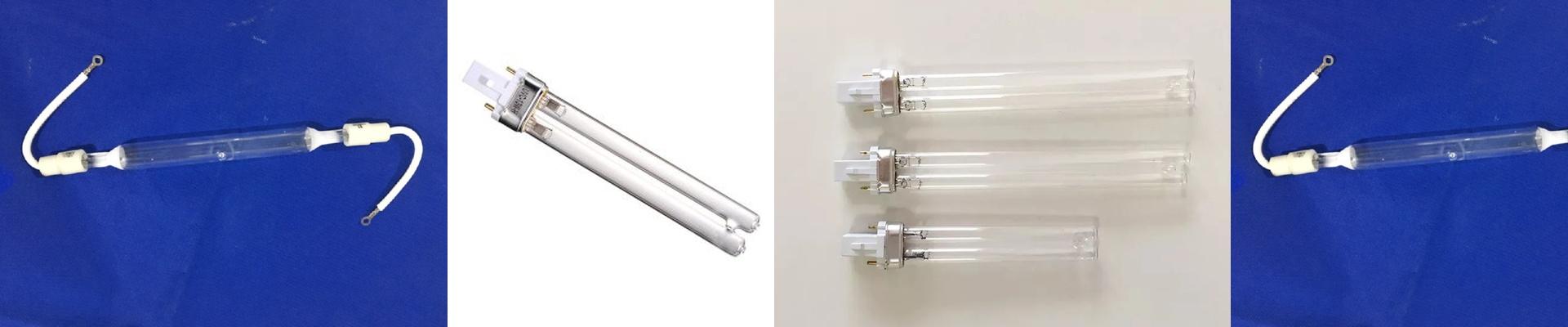
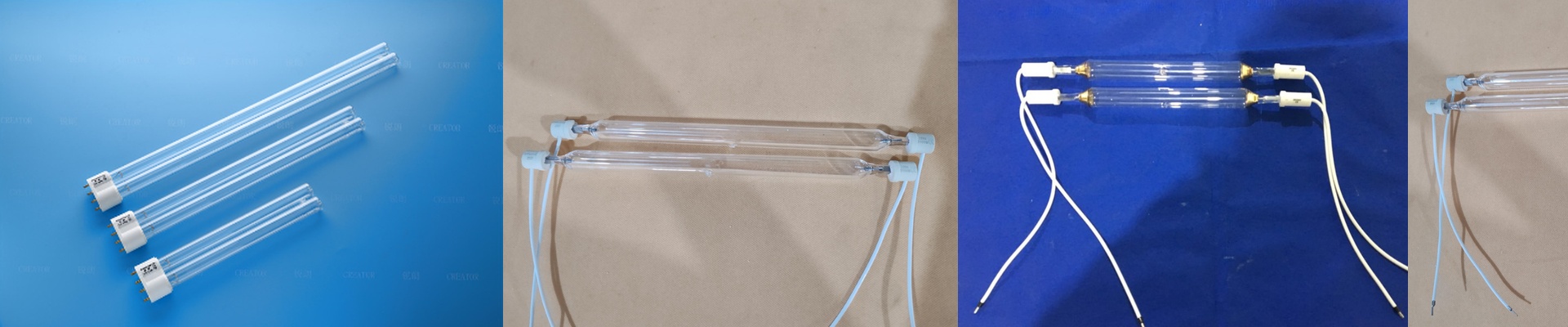
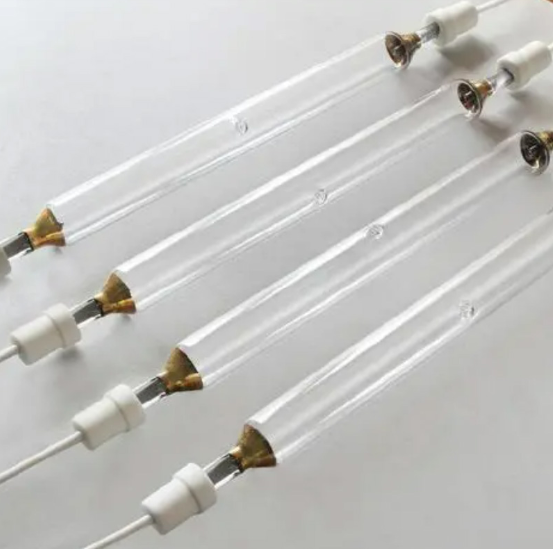
We spent a lot of time tweaking our latest Gallium Iodide (GaI) UV modules because, let’s be honest, curing photoresist on a PCB is usually a headache. The goal was simple: hit that exact spectral window needed for high-precision work without cooking the board. If you’ve used standard mercury lamps, you know they dump a ton of infrared heat onto the substrate. GaI is different. It puts the energy where it actually belongs—in the ultraviolet range—so your boards stay cooler. The power behind the light Here is the secret sauce. We’ve tuned these discharge lamps to peak sharply in the UV-C and UV-B regions. Why does that matter? Because it forces the photoresist to cross-link faster. You get a much higher photon flux per square millimeter, which means you can potentially speed up your conveyor belt and get more boards through the line. Plus, we’ve balanced the wattage so the light is steady across the whole panel. No more worrying about “soft spots” or uneven curing that ruins a batch. Dealing with the heat We don’t just give you a bulb; we house everything in custom modules. It keeps the quartz envelope safe from the grime and dust of a busy factory floor. We also used heavy-duty aluminum heat sinks to pull heat away from the electrodes. Now, a word of caution: while GaI runs cooler than those old halogen sources, high power density still creates some serious heat in small spots. If your exhaust system is lagging, the lamp will overheat and your UV output will dip. Make sure your airflow is dialed in. Getting them into your line The best part? These are basically drop-in replacements for your old UV arrays. We used reinforced connectors because we know these machines run 24/7, and the last thing you need is a cable vibrating loose at 3 AM. Switching to GaI also takes the stress off thin-core PCBs, meaning you won’t have to deal with thermal warping. It’s a simple swap that just makes the chemistry behave. We’ve run these through thousands of cycles, and they hold their output steady right up until it’s time for a gas refill or a new lamp.