Stop Slapping Your Logo on Generic UV Lamps
Let’s be honest: most of the wholesale UV lamps coming out of China are basically the same thing. They’re generic. And if you’re trying to build a brand that actual engineers trust, just putting your logo on a stock tube isn’t going to cut it. Engineers can tell. They want hardware that’s built for the actual physics of the job, not something “close enough.”
Getting the output right
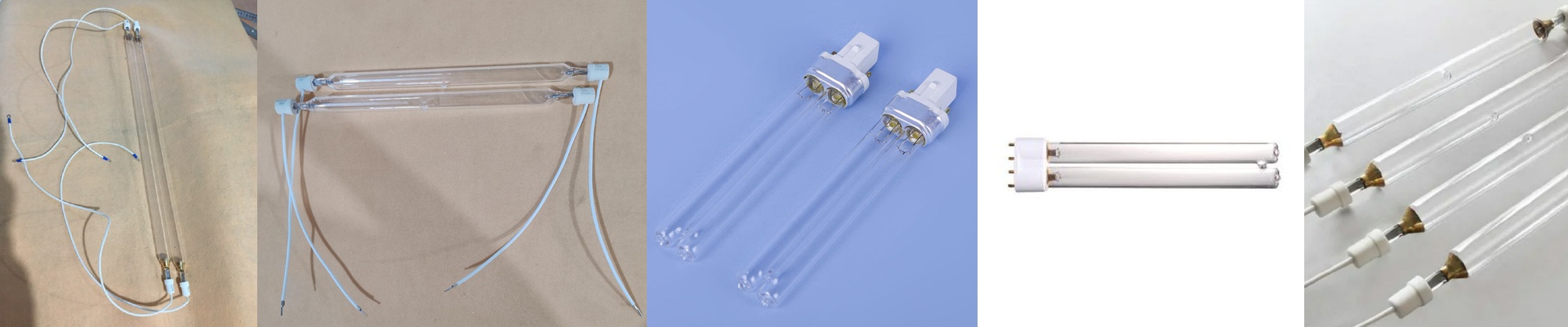
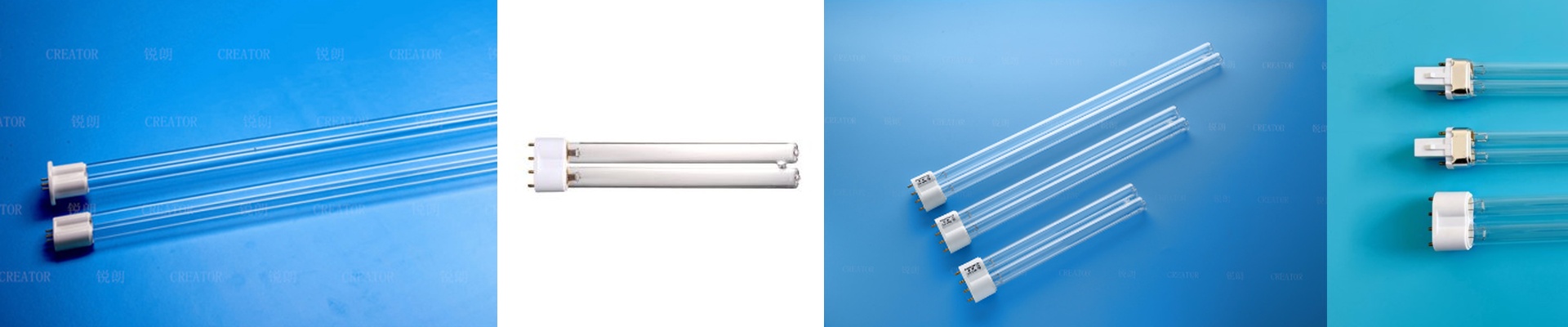
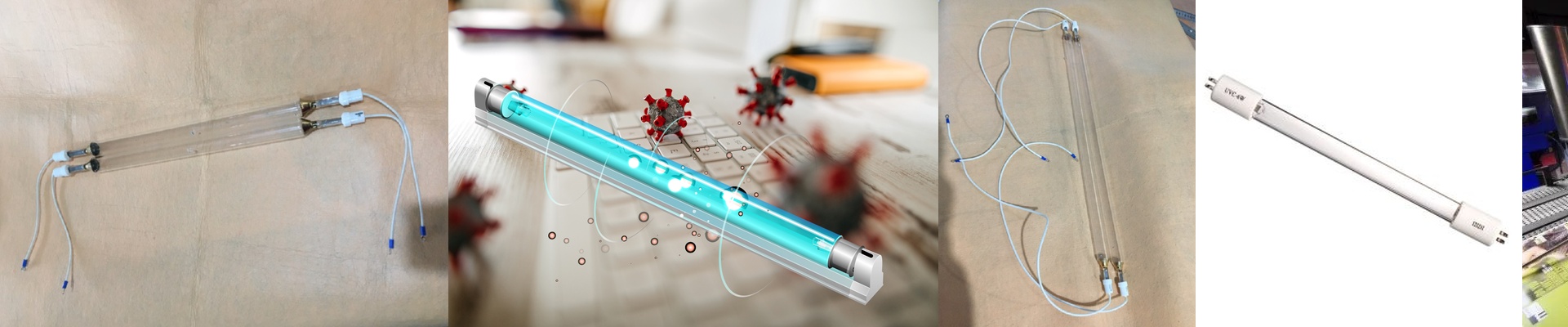
It all comes down to a balancing act between wattage, voltage, and the gas mix inside the tube. If you’re doing high-intensity curing or sterilization, we can’t just guess. We tweak the diameter and length to hit those specific irradiance levels you need. Now, it’s tempting to just crank up the wattage to get more photon flux, but there’s a catch: heat. Push too much power into a tube that’s too short? You’ll fry the electrodes way too soon. We spend the time finding that sweet spot where you get your target mW/cm² without the lamp dying on you prematurely.
The nitty-gritty of materials
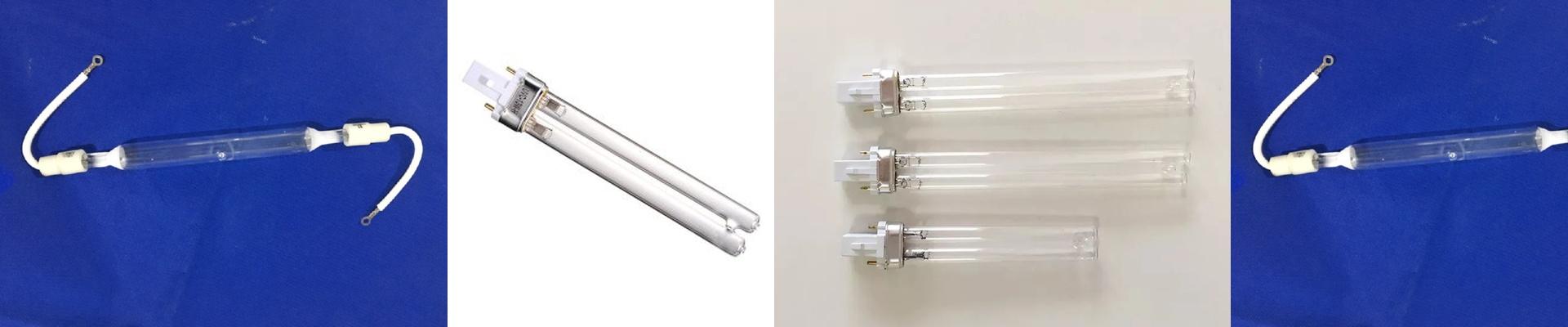
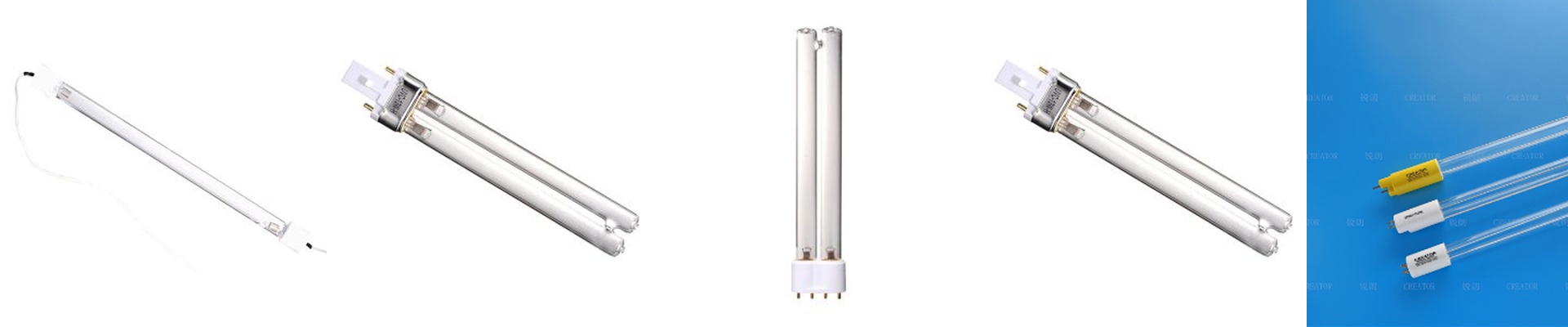
Then there’s the glass. The type of quartz we use determines how much UV-C or UV-B actually makes it out of the tube. We stick with high-purity fused quartz because it doesn’t soak up the light. But here is where things usually go wrong:the connector. Whether you’re using a standard G10s, a rugged pin base, or something totally custom, the connection has to breathe. Lamps expand when they heat up. If the fit is too loose, you get arcing. Too tight? The glass cracks under the stress. It’s a delicate thing.
The big trade-off
When you’re customizing your line, you’ve got a choice to make. Do you want specialized performance or universal compatibility? A lamp tuned specifically for a PET blowing machine will absolutely smoke a general-purpose tube. But, it won’t be a “drop-in” replacement for other systems. You have to decide if you’re chasing a specific industrial niche or a wider consumer market. We’ll give you the technical data sheets so you can show your customers exactly how these tweaks will shave time off their production cycles.