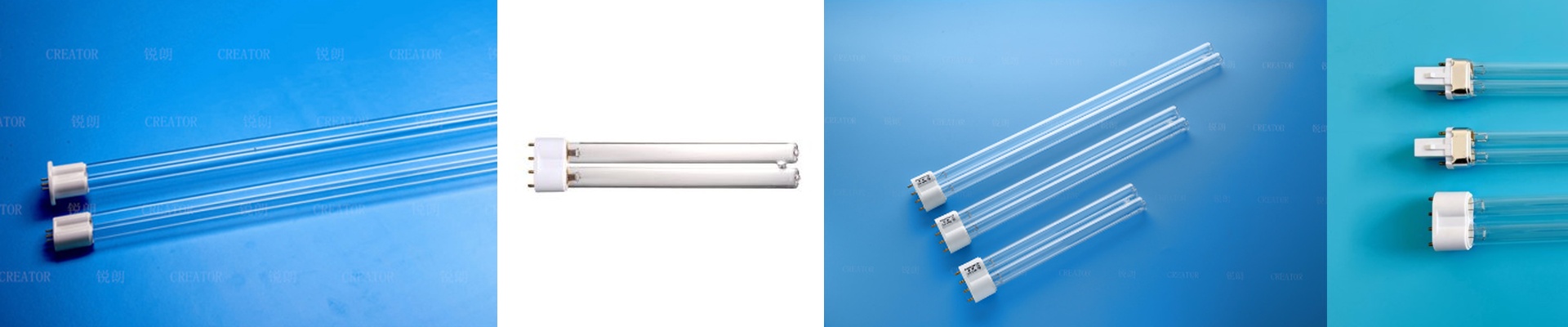
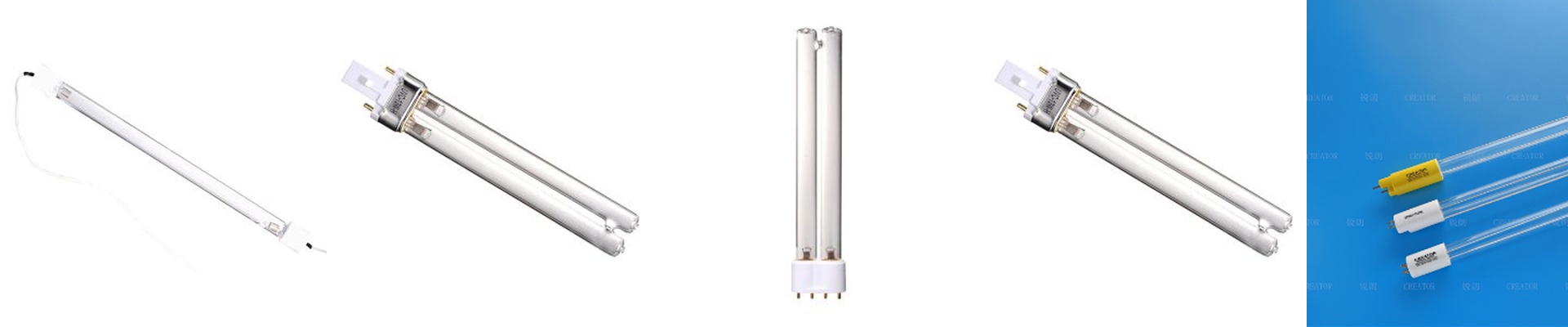
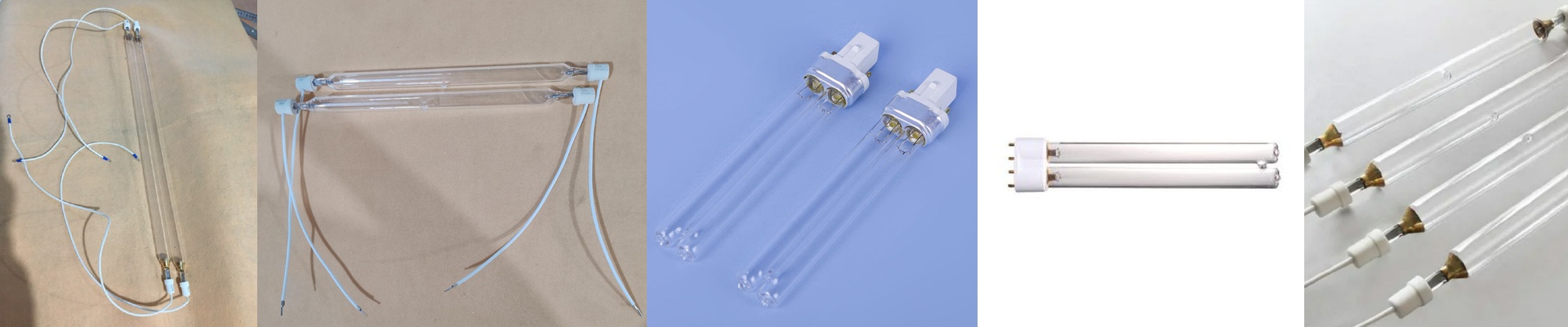
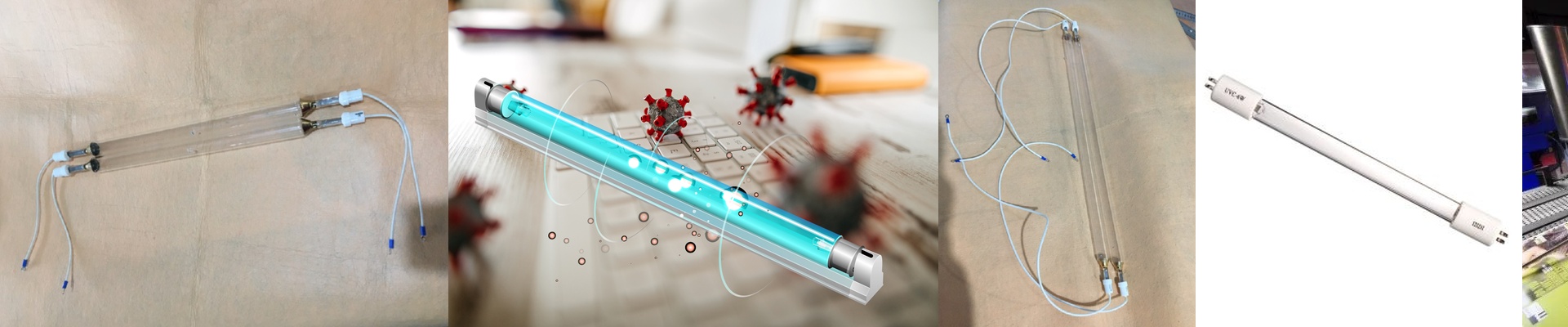
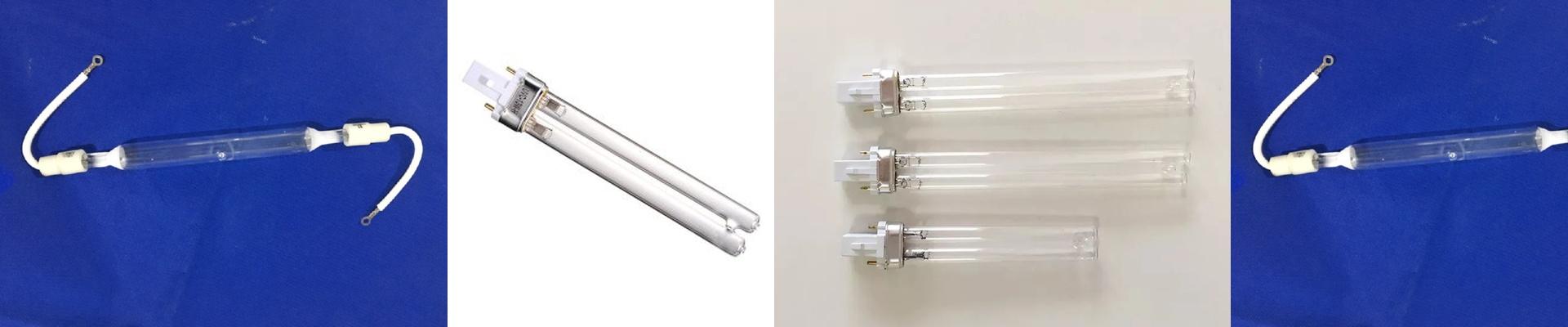
Let’s Talk About Mercury UV Curing Bulbs
At the end of the day, these bulbs do one job: they turn electricity into short-wave UV light to snap your inks, coatings, and adhesives into place. We build them for the high-speed lines where you can’t afford to slow down. If it doesn’t cure instantly, your whole throughput tanks.
Getting the Power Right
Most of our bulbs hit a peak at 254nm. Now, here is the tricky part: balancing the power. You want enough wattage to get those photons moving so the cure happens fast, but you can’t just crank it up. If you do, you’ll cook your substrate. And please,double-check your ballast. If the voltage doesn’t match the lamp’s rating, you’re asking for trouble. Over-drive it, and you’ll burn out the electrodes way too soon. Under-drive it, and your coating will stay tacky because it never fully linked up. It’s a balancing act.
The Hardware (and where it breaks)
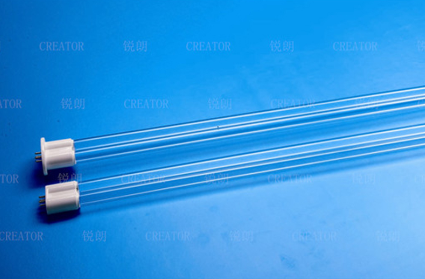
We use high-purity fused quartz for the glass. It’s tough. It lets the UV rays fly through without soaking them up, and it doesn’t crack under the intense pressure of the mercury vapor. But let’s be honest—the seal where the quartz meets the electrodes is usually where things go wrong. That’s why we reinforce those joints. Industrial lines start and stop constantly, and that constant heating and cooling puts a lot of stress on the glass. We’ve toughened them up to handle that ride.
Smart Monitoring (No more guessing)
The days of “set it and forget it” are over. We’re moving toward a world where your bulbs actually tell you how they’re doing. By adding a few sensors to track UV intensity in real-time, you can see exactly when a bulb is starting to fade. Instead of swapping lamps every few months just because the calendar says so, you only change them when the data tells you it’s time. It just makes sense. One last thing: mercury lamps gethot. Really hot. If your conveyor slows down or your cooling fans get clogged with dust, you’re going to warp your materials. Make sure your cooling system is actually built for the wattage you’re running. Otherwise, you’re just baking your product.