Introduction
Ever notice how some tiles just gleam? Like they’re wearing a coat of liquid glass. That finish? It’s not just the ink. It’s the UV lamp working behind the scenes, locking everything in place. We built our UV lamps specifically for the grit and grind of building-material decoration. Where the curing window is tight, and the surface has to look flawless—every single time. The whole point is simple: keep the UV output steady. No dips. No drift. Just consistent energy, shift after shift. Because when the light wavers, you get tacky spots or hairline cracks—and nobody wants that.
Technical Deep-Dive
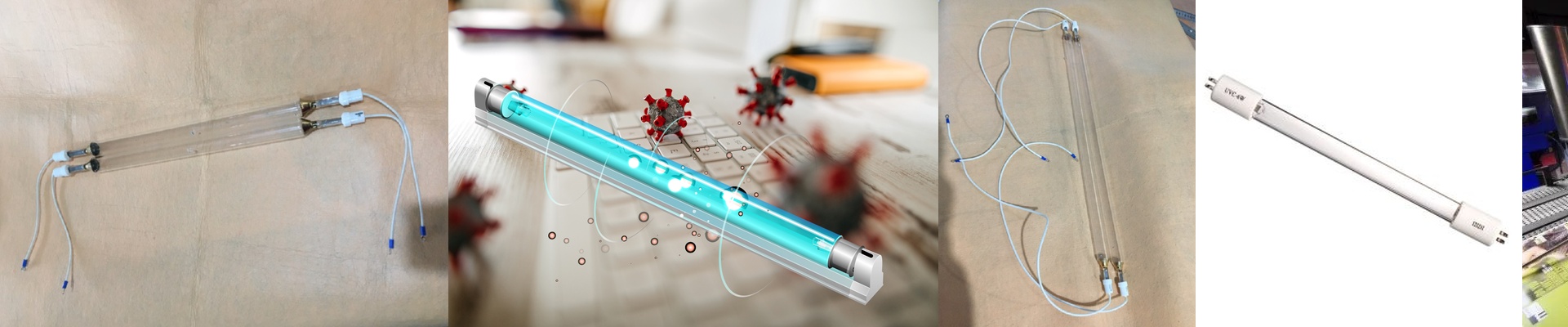
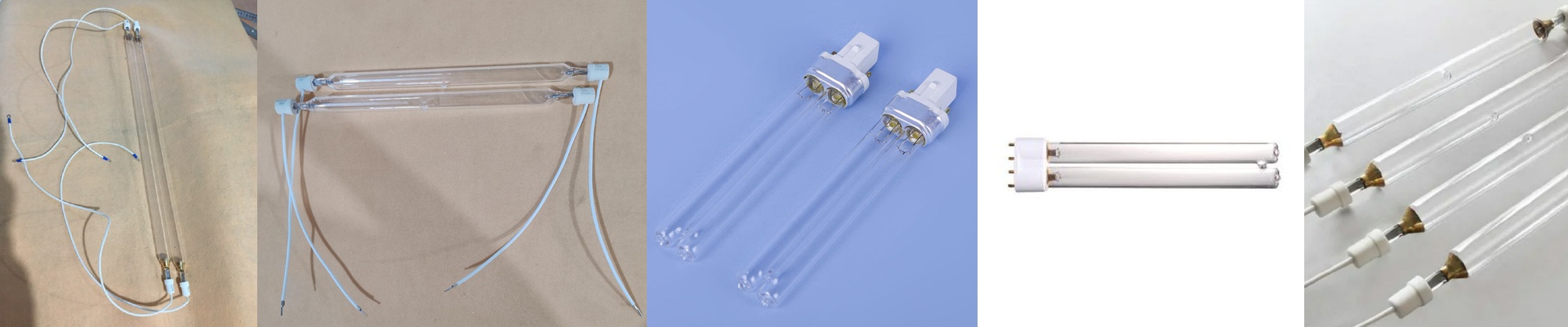
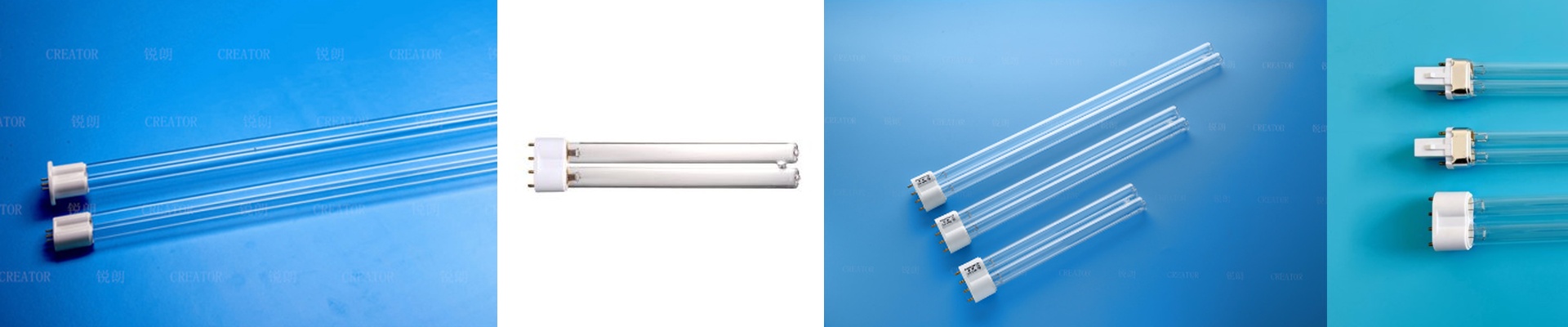
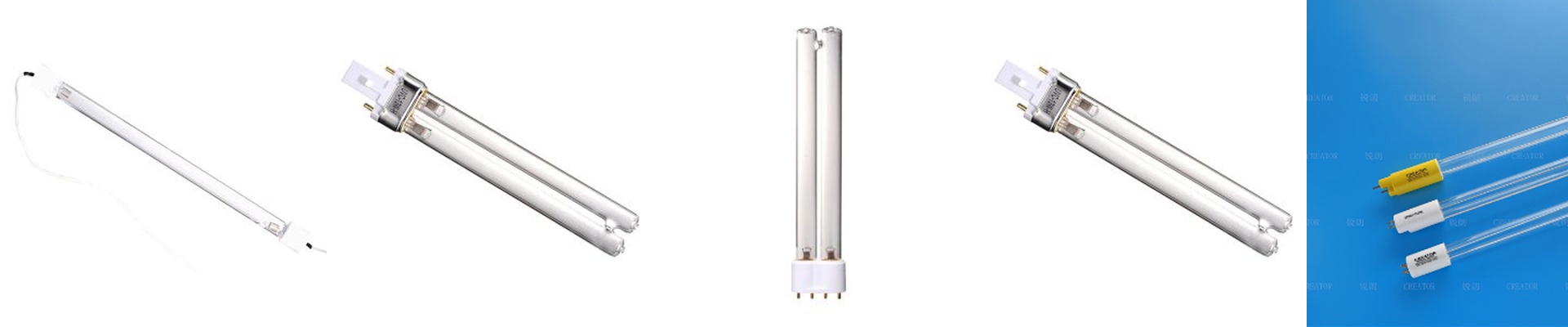
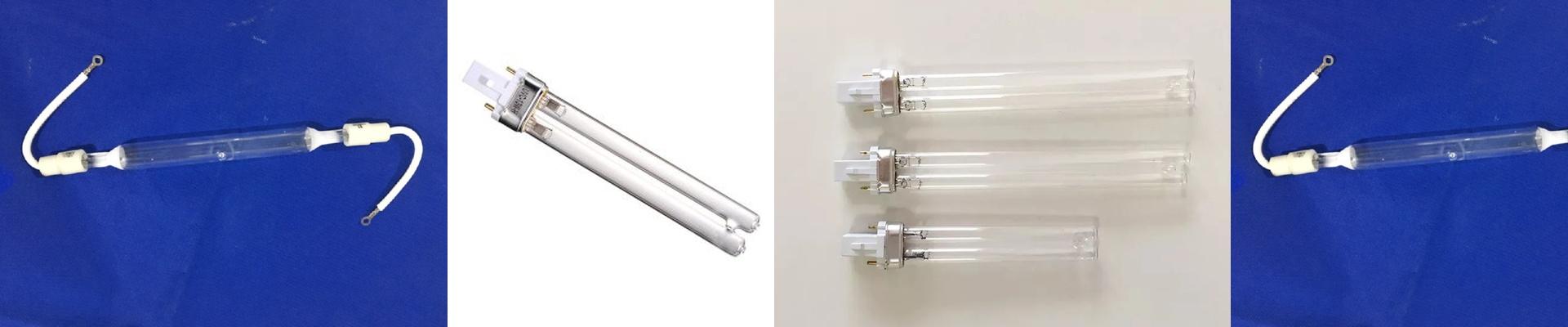
Here’s the thing: the specs have to match the real-world physics of the job. We run a high-voltage design—typically 400V—because it keeps the lamp firing cleanly and holding a stable arc, even in those snug chambers. That matters when you’re curing dense, detailed prints. The wattage is dialed in for high heat density, and the tube length—around 300mm—hits the print width without stretching the arc too thin. So the energy lands right where it should: on the tile. Not wasted on heating up the chamber walls.
Material & Design
We chose a shortwave UV source inside a quartz envelope for a reason. Quartz handles the rapid heating and cooling cycles like a champ, and it lets through the UV wavelength that cures photopolymers fast. Plus, there’s a special coating on the quartz that keeps the output stable. It fights temperature spikes and stops hot spots that would otherwise wear the filament down too soon. And for the install? We use an R7s connector. It’s the industrial standard for a reason—drop it in, line it up, and it locks in tight. No fiddling. Low contact resistance means the lamp fires up reliably, every single time.
Application & Benefits
Out on the shop floor, this setup is built to live in the real world. The high heat density means fast curing, which is great—but it also means your cooling and reflector setup needs to be up to the task. Keep the heat managed, and the lamp will last. When it all works, you get that hard, glaze-like finish with serious scratch resistance. The color stays consistent from batch to batch because the UV output stays steady. For the people running the line, it’s straightforward: wire it up, set your conveyor speed, and get repeatable results without constant tweaking. Just set it and run.