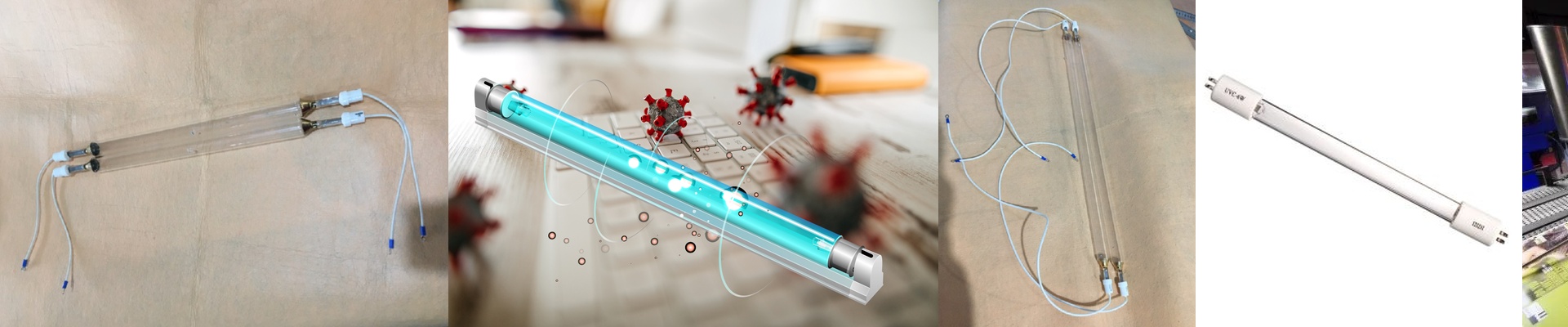
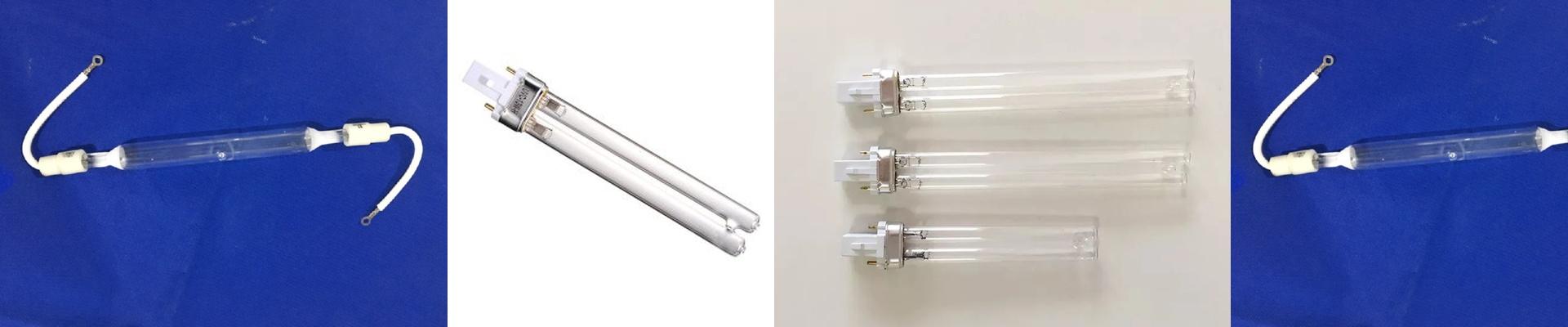
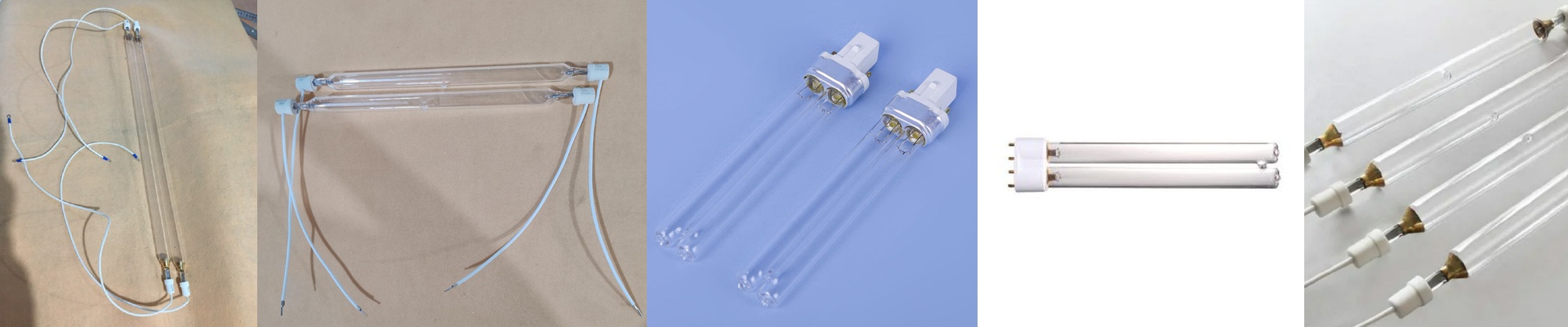
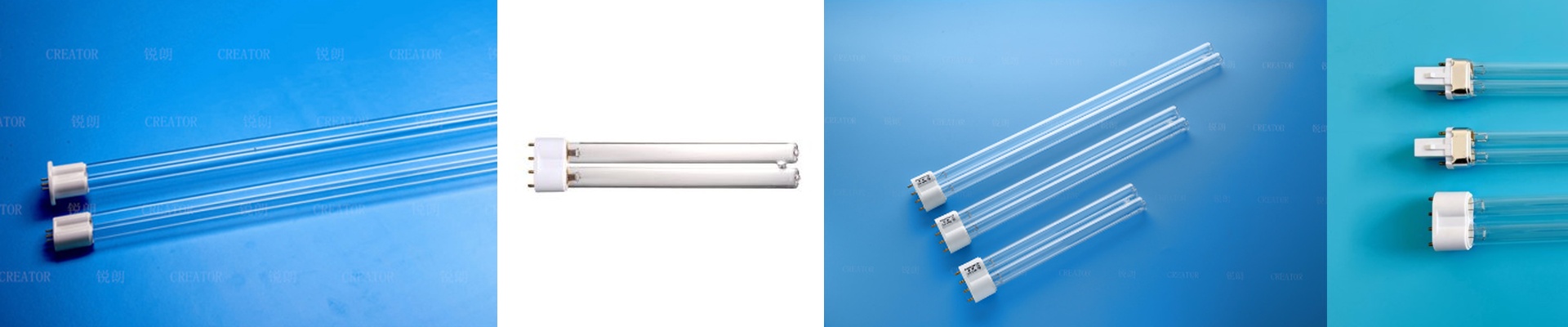
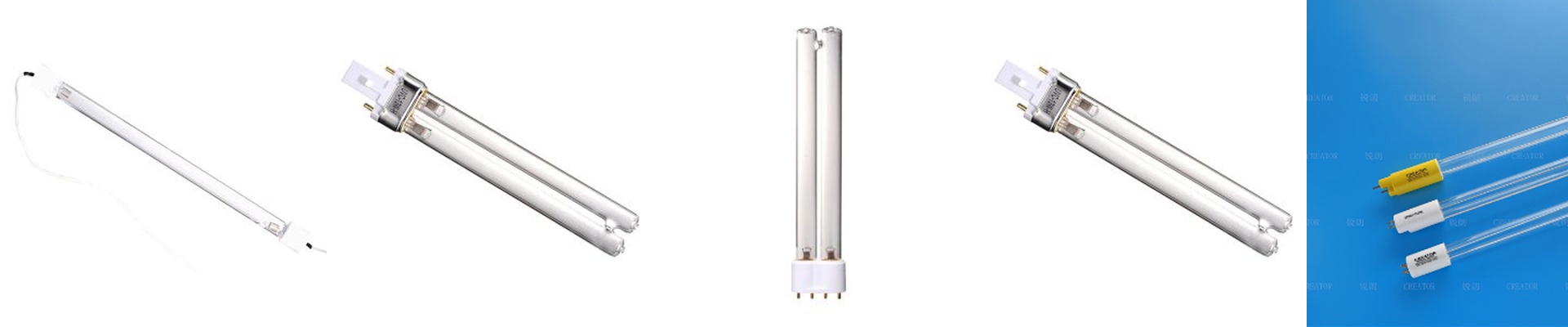
Getting Gallium Iodide Right
Standard mercury lamps are great, but they can’t hit every single wavelength. That’s where Gallium Iodide (GaI) comes in. We’ve spent 15 years messing around with the chemistry and quartz purity just to make sure these lamps don’t flake out when you put them under a heavy industrial load.
The trick to the light
Here’s the thing: GaI lamps work by exciting gallium atoms in an iodide halogen cycle. It sounds complex, but basically, it gives you a massive punch of UV-C and UV-B. The real secret is the filling pressure. If we’re off by even a tiny bit, the spectral peak shifts. And if that happens? Your curing or sterilization process just stops working. It’s that precise.
Heat and Glass
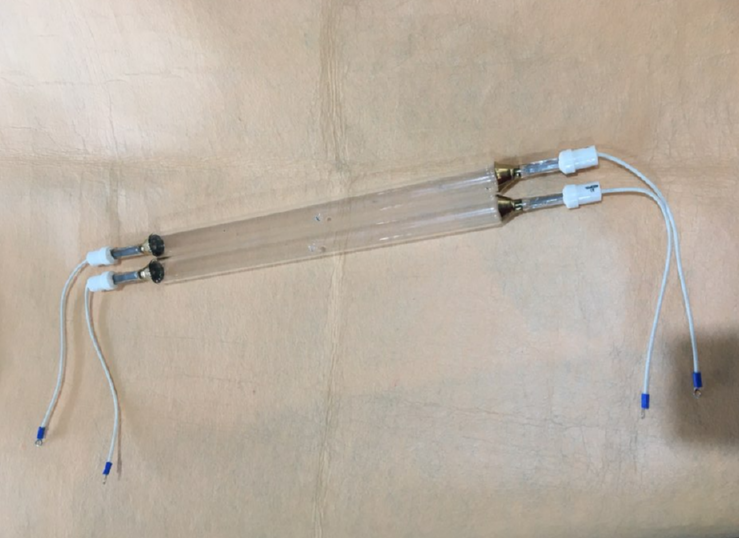
We use high-purity fused quartz because nothing is worse than “solarization”—that annoying clouding that happens to glass over time. But these tubes pull a lot of current, which means the electrodes gethot. Really hot. We’ve designed the end-caps to take that constant heating and cooling without cracking under the pressure. One heads-up: you’ve got to keep these things cool. If your housing isn’t moving enough air, the quartz will stress out and the lamp will die early. Do yourself a favor and double-check your airflow before you wire these into a new rig.
Putting them to work
We built these to be drop-in replacements. We matched the footprint and the electrical pins exactly, so you can just swap them in without having to rebuild your reflectors or mess with your power supplies. Now, there is a trade-off. Because the UV intensity is so high, these don’t last as long as low-pressure mercury lamps. You’ll be replacing them more often. But it’s worth it. The sheer speed of the chemical reaction they trigger saves you so much time that the extra maintenance is a non-issue. To make sure your ballast doesn’t fry the filament, we put the exact wattage and voltage ratings on every single batch.