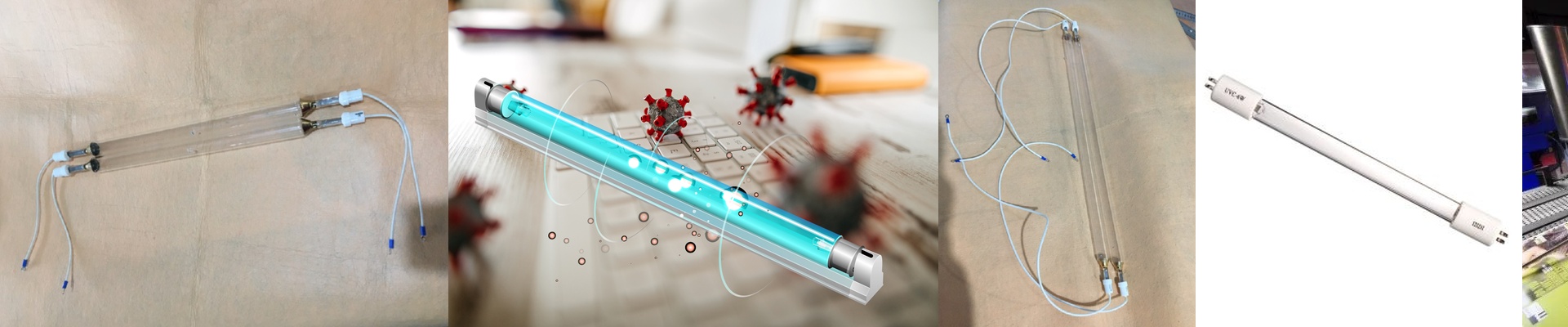
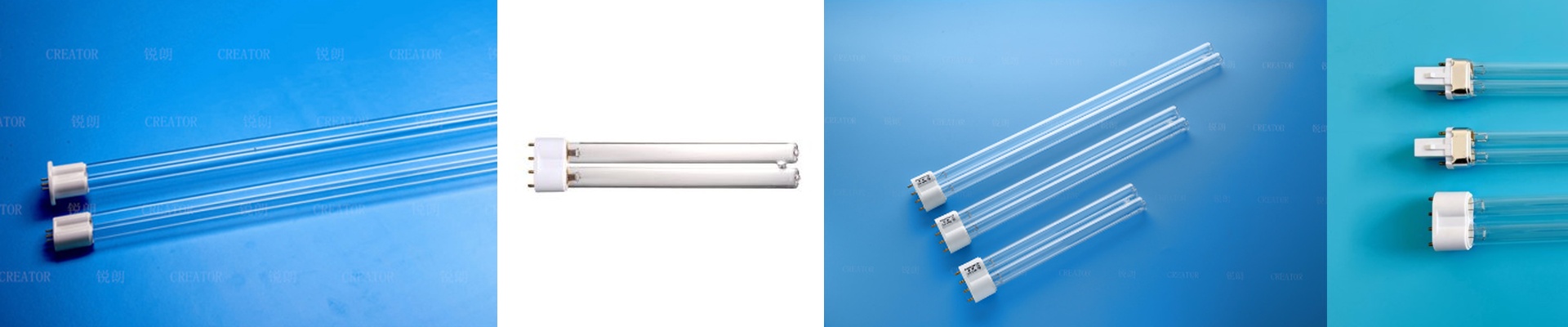
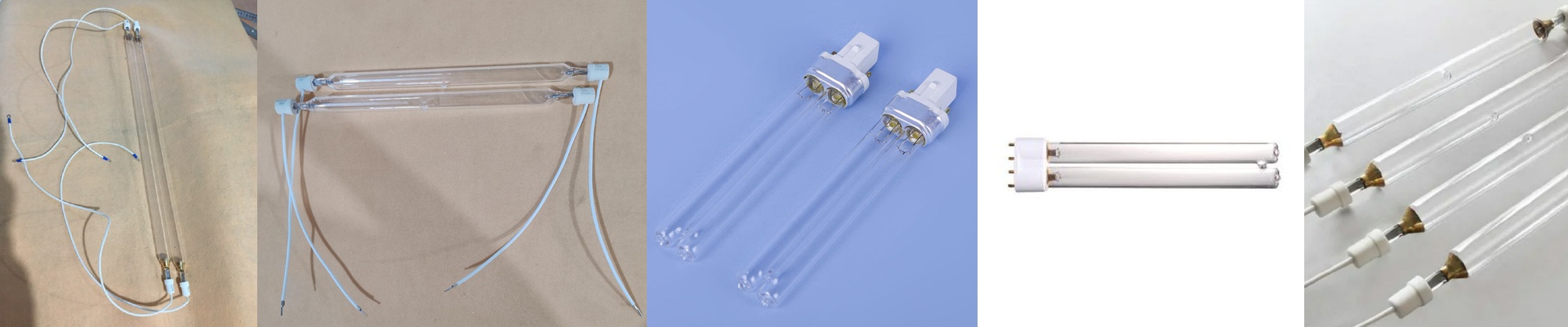
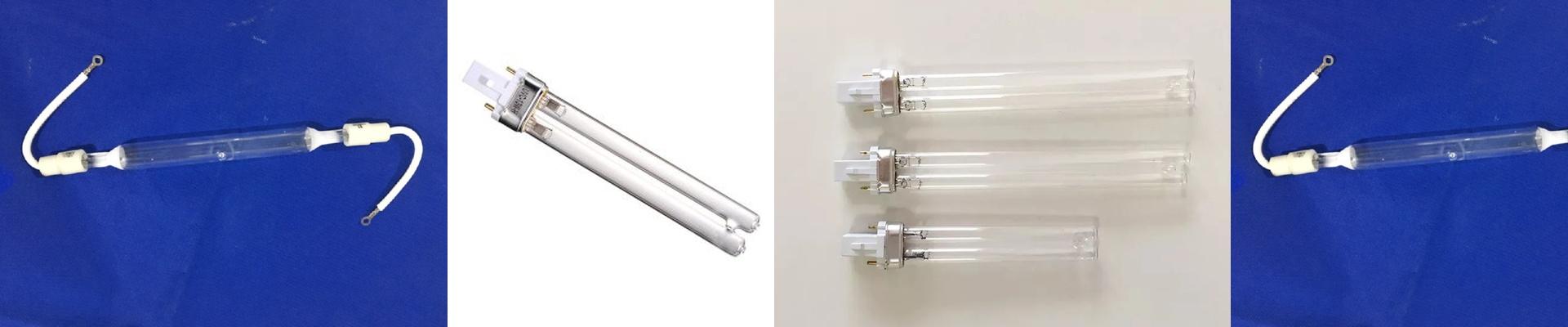
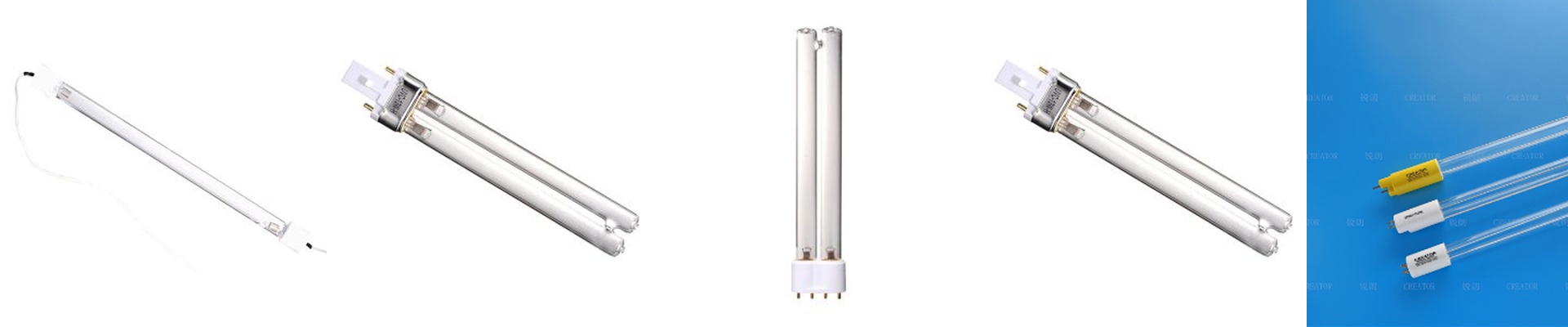
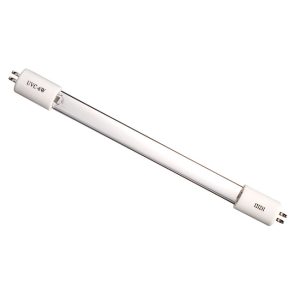
On an export-oriented, fully automatic press that runs 24/7, downtime isn’t a metric you talk about—it’s lost sheets and blown shipment windows. In that environment, the curing module can’t be a question mark. We build our CE-certified high-power UV emitter as a drop-in, machine-integrated component, because high-speed offset, flexo, and screen lines don’t have time for guesswork. It has to ship, install, and qualify fast.
What matters, technically
We spec high-pressure mercury vapor lamps with a stable spectral output centered at 365 nm. That’s the photon flux that reliably drives the photoinitiators in UV inks and coatings. A precision dichroic-coated reflector holds peak irradiance across the full substrate width, so energy density (mJ/cm²) stays consistent job after job. Start-to-full-output stabilization is fast, which matters when you’re accelerating immediately after a stop. And the system is ozone-free, so the curing zone stays clean and the press airflow stays straightforward.
Why it holds up on the floor
Export machines need components that cut down on validation headaches. Our emitter ships as a validated subsystem—CE-compliant, compatible with common interfaces, and dimensionally consistent for a quick retrofit. In practice, you get curing that keeps pace with high-speed runs without hot spots or under-cure, and lamp performance that survives long shifts. We’ve seen units run beyond 5,000 hours with less than 5% output drop. That translates straight to fewer lamp swaps, less spare-part inventory, and fewer stops. Energy draw is managed without sacrificing peak irradiance, so operating cost stays predictable.
The details you can’t skip
High-power UV emitters need clean power and disciplined thermal management. Match the lamp to the reflector geometry and the lamp-cooling airflow your press provides—mismatches will shorten lamp life and give you uneven cure. During integration, confirm connector type, lamp length, and ignition voltage. Treat the quartz body and reflector like precision optical components. Wipe only with solvents specified for UV optics, and keep oils and residues off them—those contaminants will degrade output.