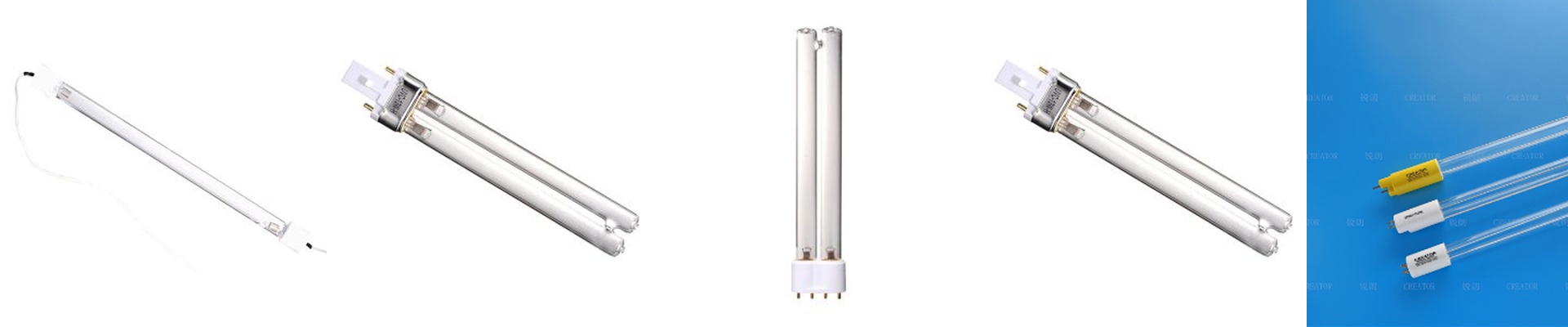
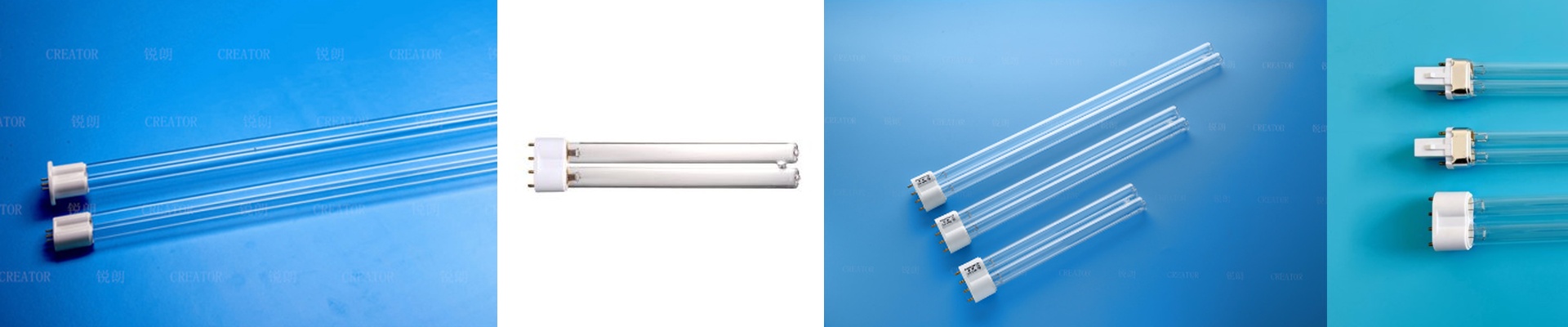
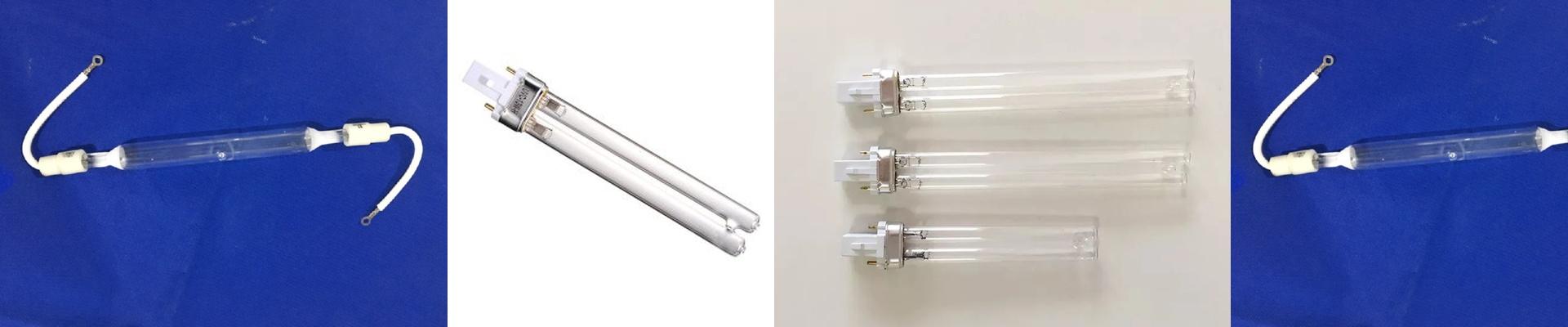
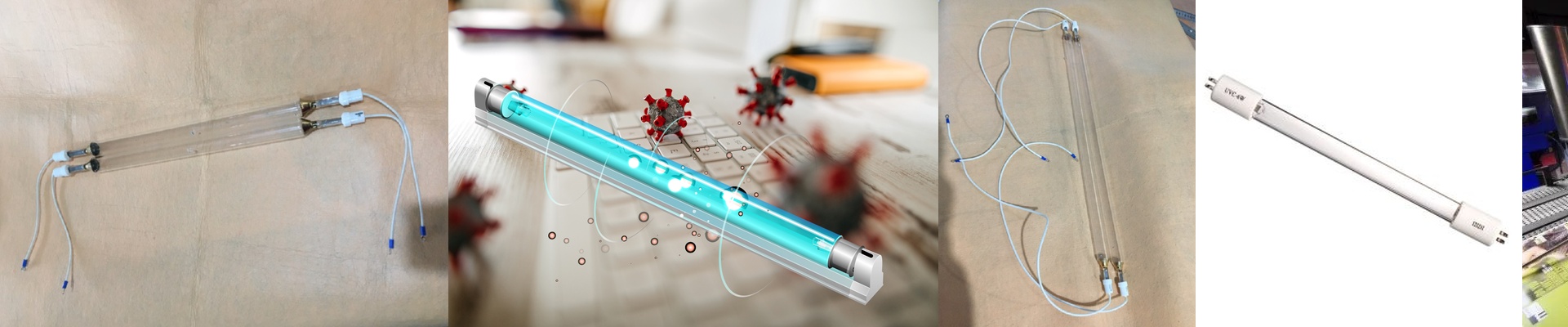
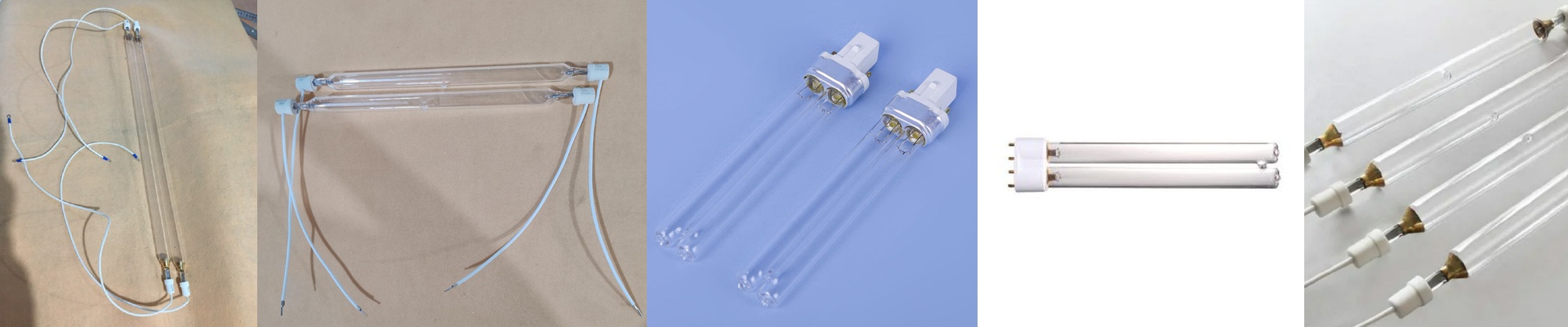
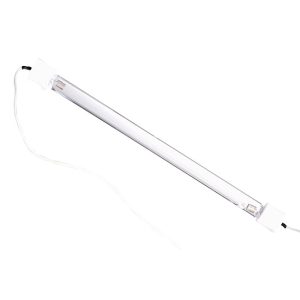
On the floor, that Fusion UV lamp is more than just a consumable. It’s the controllable heat that keeps your dose repeatable. When output starts drifting, cross-linking goes sideways. You’ll see tack, adhesion, and cure depth swing with every pass. Batch-to-batch stability begins with a replacement lamp built to match the original arc geometry and spectral profile of your Fusion system. What matters, technically We build Fusion-compatible replacements as ozone-free mercury vapor lamps, matched to the reflector geometry and dichroic coating. Output is centered where photoinitiators in offset, flexo, and screen inks absorb: 365 nm for depth, with a strong 385–405 nm shoulder for surface cure. Delivered energy density stays repeatable at 600–1,200 mJ/cm², measured at the web plane, and peak irradiance holds above 8 W/cm² across the curing window. Electrode design keeps the arc stable, so lamp voltage and current don’t wander during warm-up. Why it works in real production If you run a wholesale model or supply private-label customers, our OEM option lets you brand the lamp and lock in performance that prints the same way, shift after shift. Consistent spectral output means fewer rejects from under-cured ink, less wasted energy chasing compensation, and predictable lamp life so you plan maintenance instead of reacting to failures. Here are the practical details Match the lamp to the exact Fusion model and ballast interface. Pin spacing, ignition voltage, and end-of-life protection have to line up. Check reflector condition and alignment. Even a perfect lamp underperforms behind a degraded reflector. Expect 2,000–3,000 hours at rated power before output decay forces a change, depending on how often you cycle the lamp and how the cooling is managed.