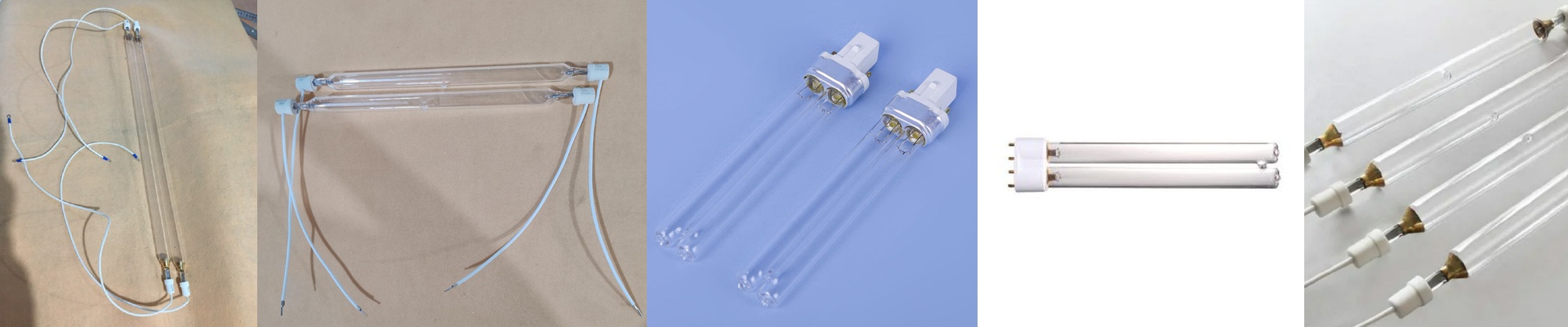
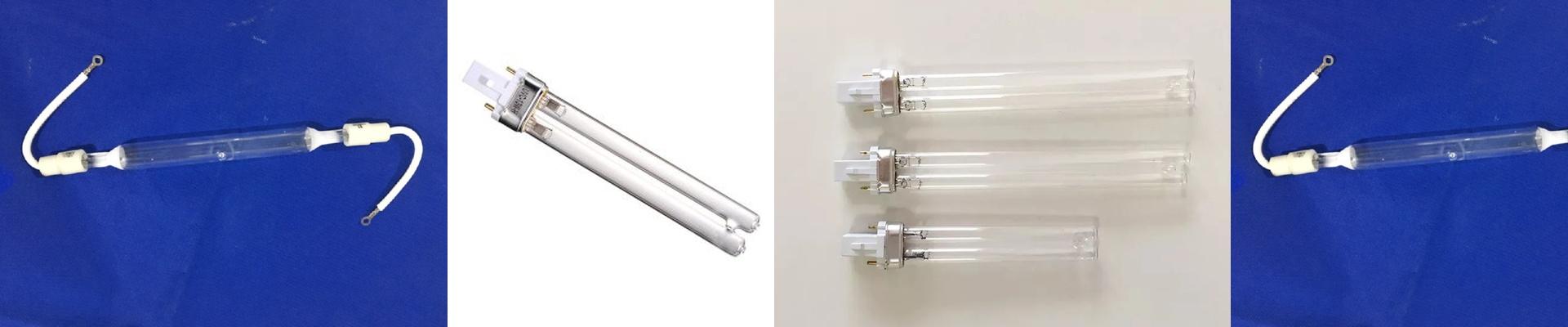
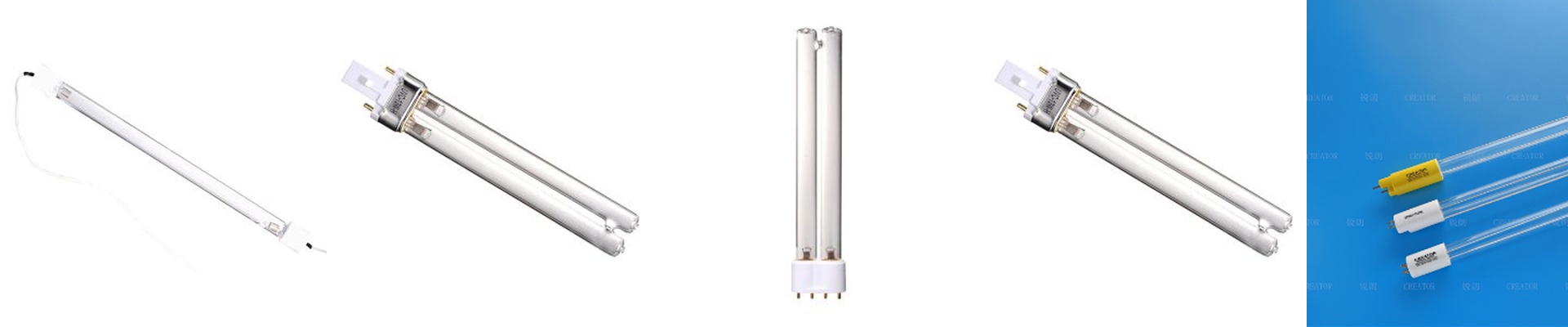
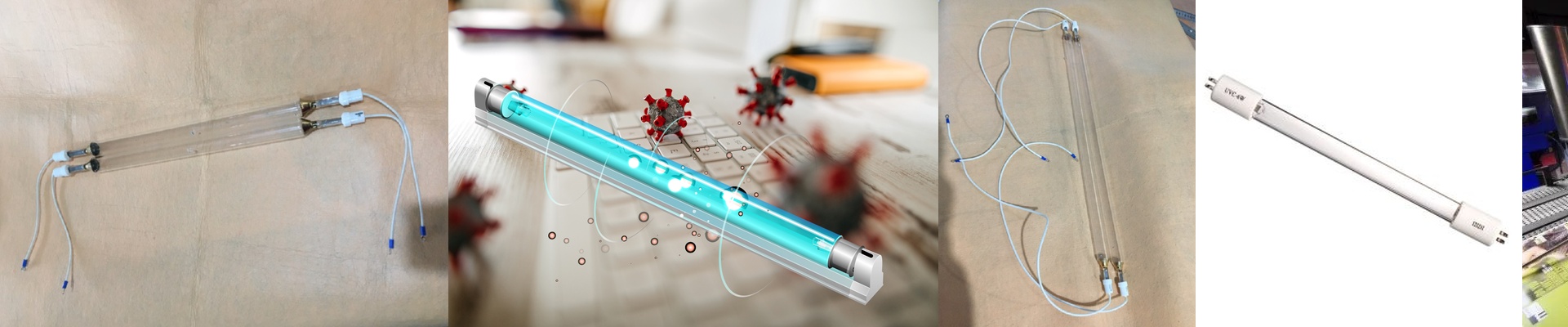
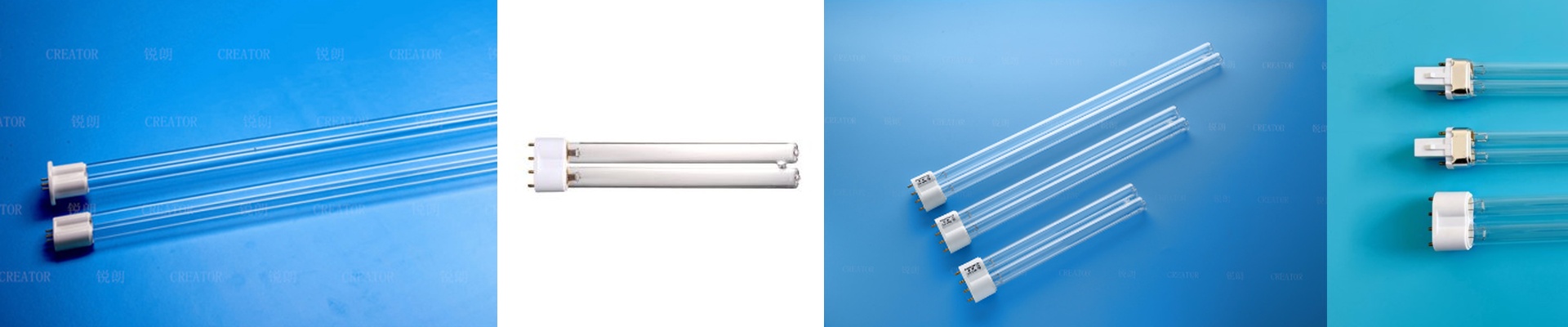
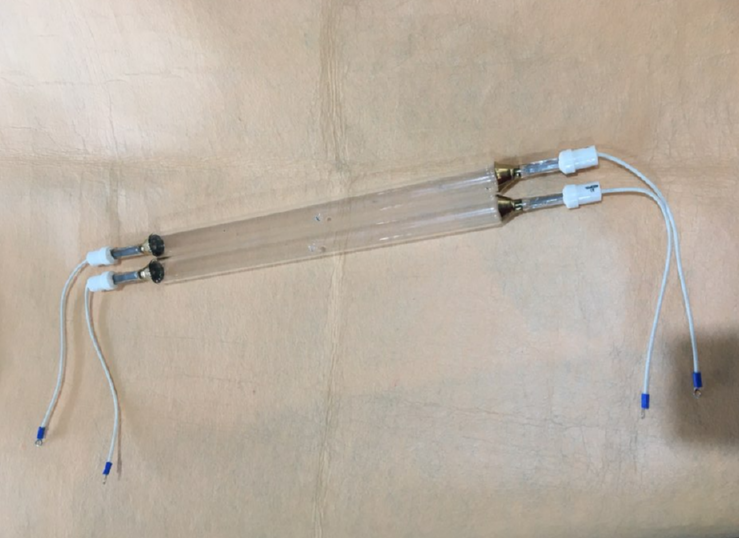
Hospital procurement teams don’t buy hype. They buy compliance and performance they can measure. For UV germicidal lamps in clinical disinfection, CE marking isn’t a box to check. It’s proof the design meets EU safety and EMC requirements, and that the manufacturer runs under an audited quality system. Without it, you’re locked out of the market—no matter how strong the lamp output looks on a spec sheet. What matters under the hood Hospital-grade UV disinfection comes down to predictable germicidal output at 254nm, not vague claims about “UV power.” We build around high-purity quartz sleeves and low-pressure mercury vapor discharge, tuned for stable UVC fluence. Typical irradiance at 1.0m is ≥60 μW/cm², measured with a calibrated radiometer per EN 60335-2-65. Full output is reached in 3–5 minutes after a controlled warm-up. Electrode life is rated to 9,000 hours, and end-of-life output stays above 80% of initial. The driver is designed for 230V, with EMC filtering and thermal protection so it won’t nuisance-trip sensitive clinical power circuits. Why this plays in the EU CE certification cuts compliance risk and speeds procurement across EU markets. In practice, that means you can run the same lamp across multiple hospital sites—ORs, isolation wards, sterile processing—without re-qualifying the supplier. Stable 254nm output gives you consistent log reduction on pathogens, so disinfection cycles stay repeatable. Long lamp life and efficient ballast thermals mean fewer replacements and lower energy draw, which trims maintenance windows and operating cost per treated room. The details that bite you These lamps are ozone-free, but placement and shielding still matter. UVC is hazardous to skin and eyes, so the fixture must have interlocks—and verify the interlock—before the lamp can energize. Installation tolerances are tight. Reflector alignment and lamp-to-target distance directly affect delivered fluence. Check fixture compatibility and clearances before you retrofit, and confirm local biosafety protocols for log-reduction validation in your actual room geometry.