Dealing with Electrical Noise in Your UV Printing Line
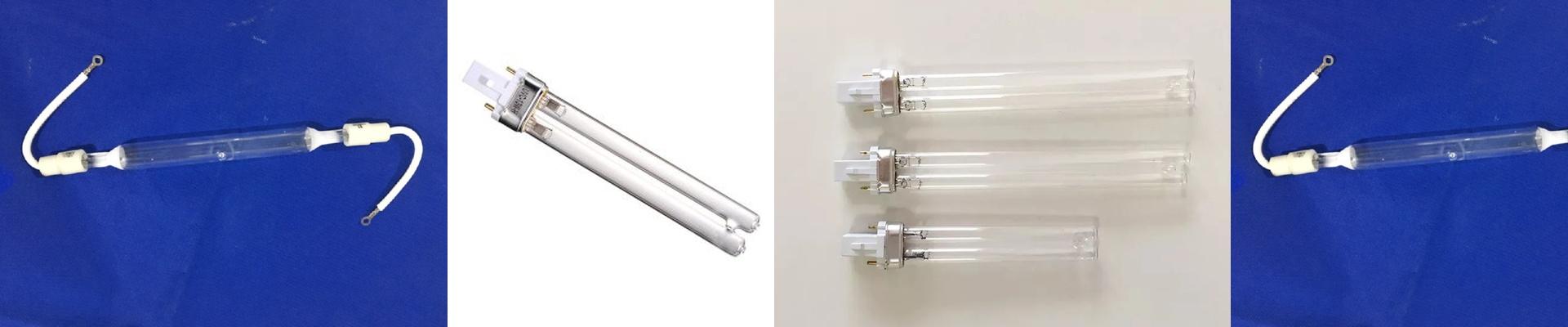
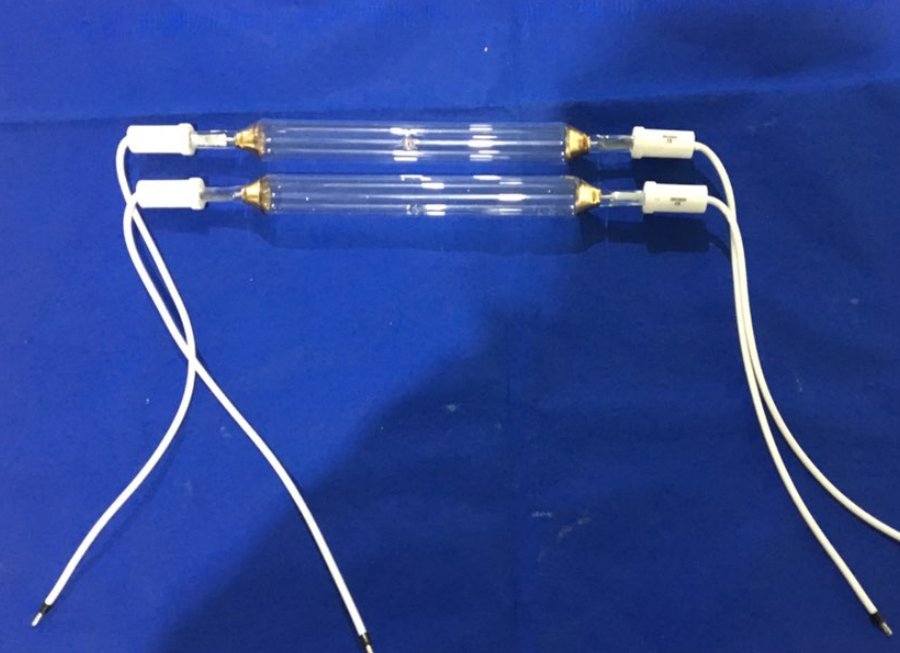
If you’ve got a few large printing presses running in one shop, you know exactly how it goes. Everything is humming along, and then suddenly, your sensors start acting up or your PLC triggers a ghost signal for no reason. It’s a nightmare. Here’s why it happens: Mercury UV lamps need high voltage to kick start and a steady current to keep that plasma arc alive. If the lamp and the power supply aren’t shielded right, they leak electromagnetic interference (EMI). Basically, they’re screaming electrical noise into your shop, and your sensitive electronics are hearing every bit of it. The secret to a quiet shop Most of the time, lamps flicker or drift because the ballast is struggling to keep up while other machines are pulling power nearby. We tackle this by focusing on stability from the start. We use high-purity quartz and a very specific electrode geometry to keep the arc steady. When the arc is stable, you don’t get those annoying voltage spikes. It means the ballast isn’t fighting a losing battle just to keep the light on, which keeps your power grid much cleaner. Getting the engineering right Factories are loud, messy electrical environments. To survive them, we focus on the impedance match between the lamp and the transformer. If that match is off, you get oscillations. That’s the “interference” that messes with your control systems. By being obsessive about the mercury fill and the spacing of the electrodes, we keep the output flat. No surprises. No weird spikes. Real talk: The shop floor Now, look—no lamp is magic. High-output mercury lamps pull a lot of power and throw off a ton of heat. If your wiring is a mess or your grounding is lazy, you’re still going to see noise. You’ve got to make sure your cabling is shielded and your ground loops are actually closed. Our lamps do the heavy lifting by staying stable, but your installation has to be up to the task. Otherwise, you’ll be tripping breakers the moment you try to ignite everything at once.