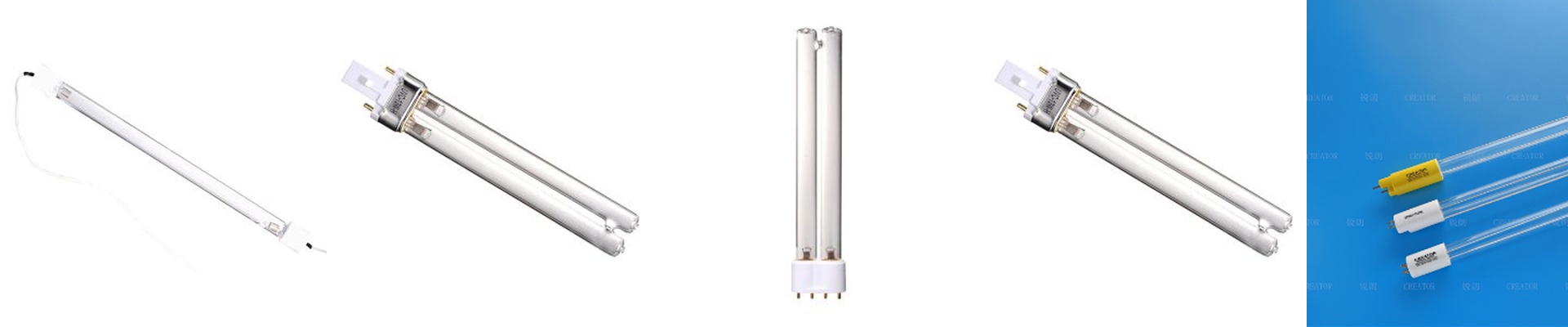
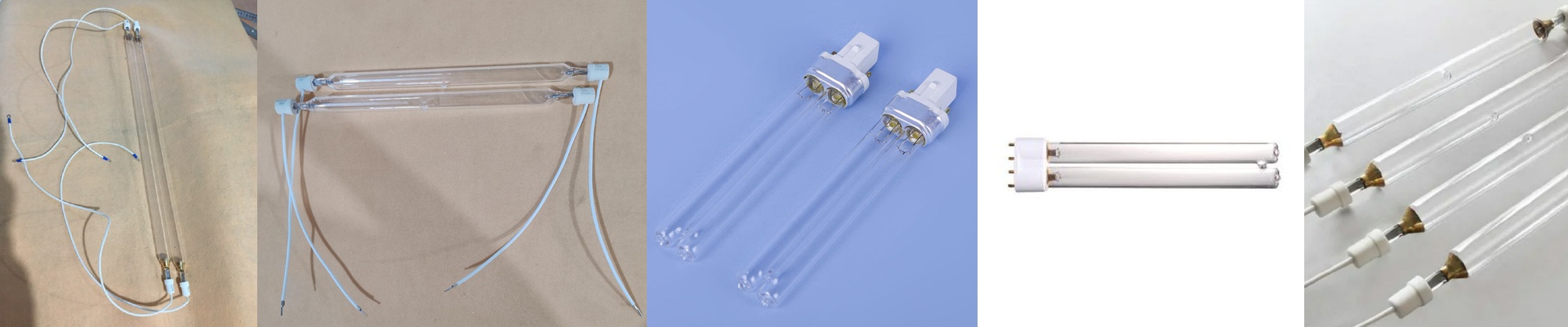
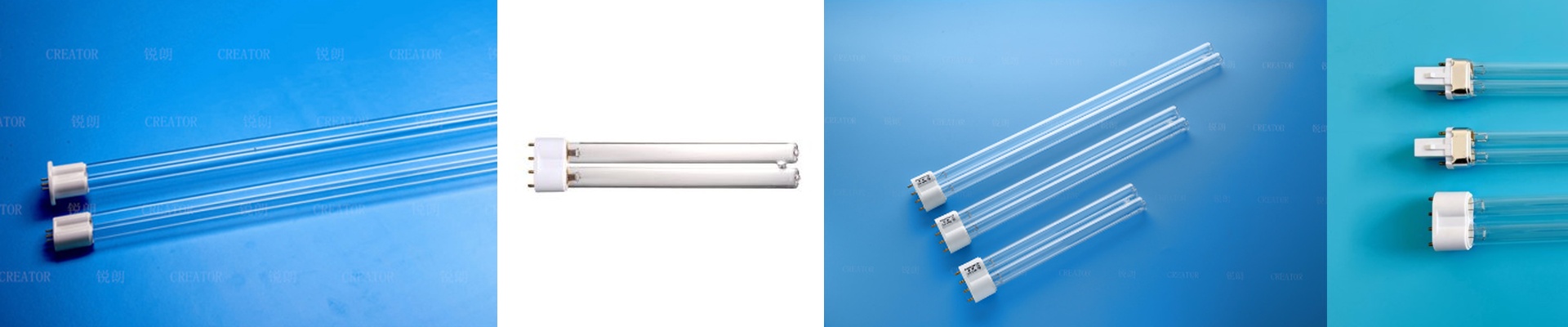
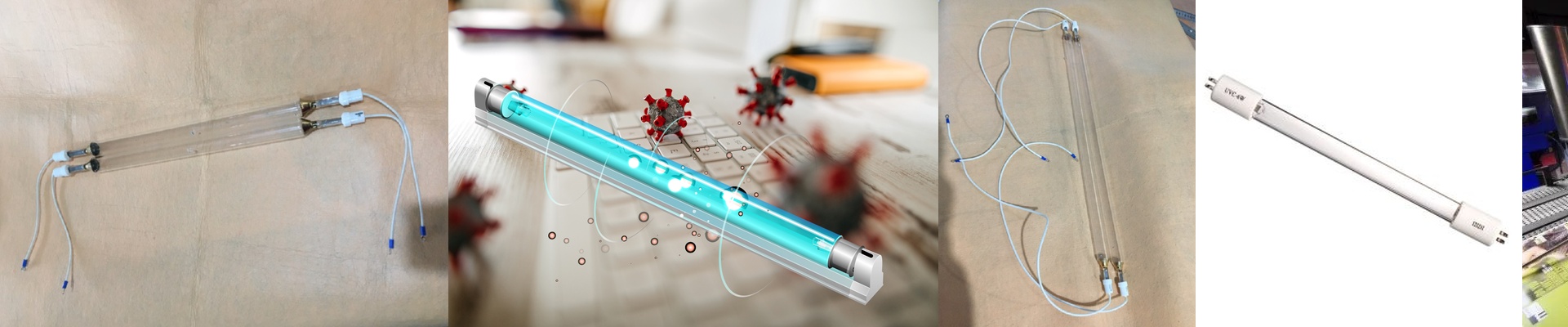
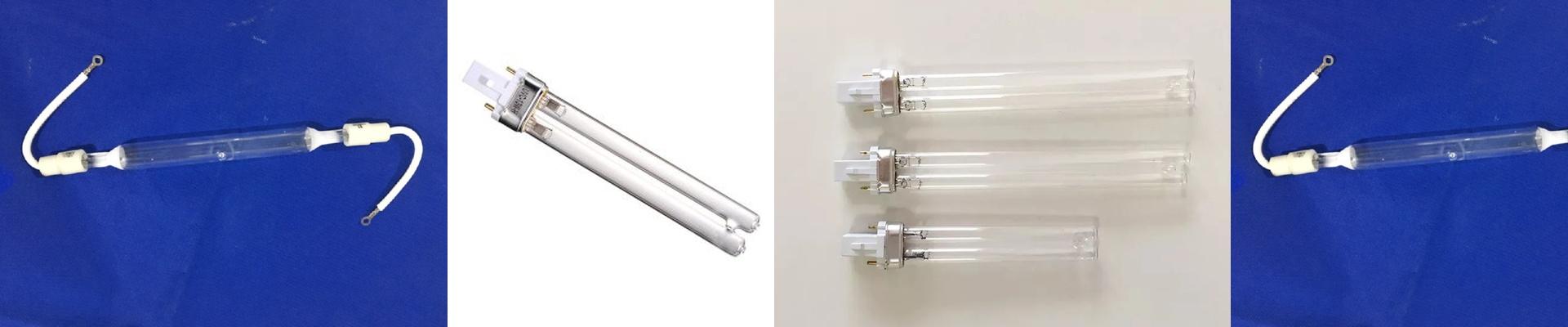
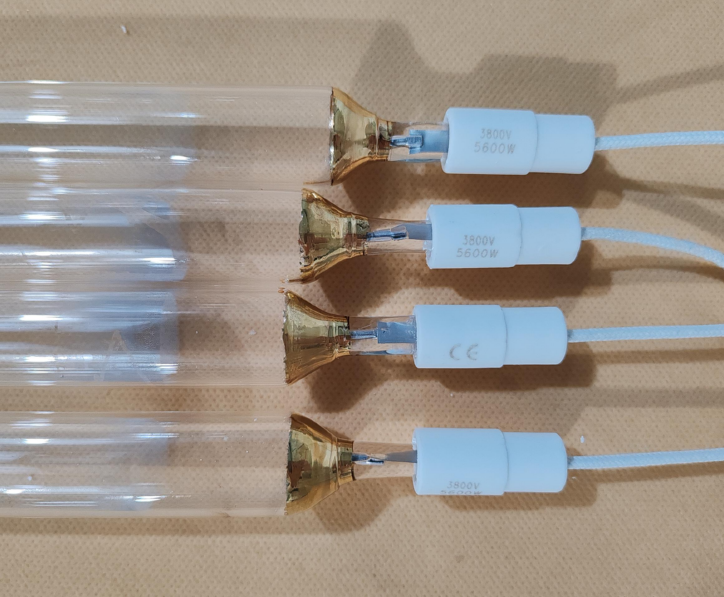
Why Precision Actually Matters in UV Lamps
You’ll see a lot of companies tossing around the phrase “broad spectrum” when they talk about their UV lamps. We don’t do that. For us, it’s all about hitting that sweet spot—the 253.7nm range—where germicidal UV actually does its job. Getting that right isn’t some simple tweak. It comes down to the grit: the purity of the quartz and exactly what’s mixed inside the tube.
Getting the Light Right
We use high-purity synthetic quartz for a reason. If the glass is dirty or full of impurities, it blocks the UV-C rays before they even leave the lamp. That’s a waste. Plus, cheap glass makes the lamp burn out way faster. We also obsess over the electrodes to stop “sputtering,” which is just a fancy way of saying we keep the glass from getting cloudy so the lamp lasts longer. Then there’s the gas. It’s a delicate balance between mercury vapor and argon. Too much pressure? The lamp runs too hot. Too little? You lose your punch. We spend a lot of time in the lab tuning this ratio until we hit the exact microwatt output we’re looking for.
The Heat Problem
Here is the thing about high-intensity UV lamps: they get hot. Like, really hot. We push for the strongest irradiance we can, but you have to make sure your fixtures can handle that heat. If your cooling isn’t up to the task, the tube temperature climbs. And once it hits a certain point, the UV output actually starts to drop. It’s a weird bit of physics. More power doesn’t always mean better sterilization if you can’t keep the lamp cool.
Real-World Testing
We aren’t interested in what a theoretical data sheet says. Every single batch we make goes through a spectrophotometer. We’re looking for the peak wavelength, checking for dark spots, and making sure the electrodes are stable before anything leaves the building. That way, when you slide these into your system, you know the dosage is consistent across the board. No guessing. Just results.