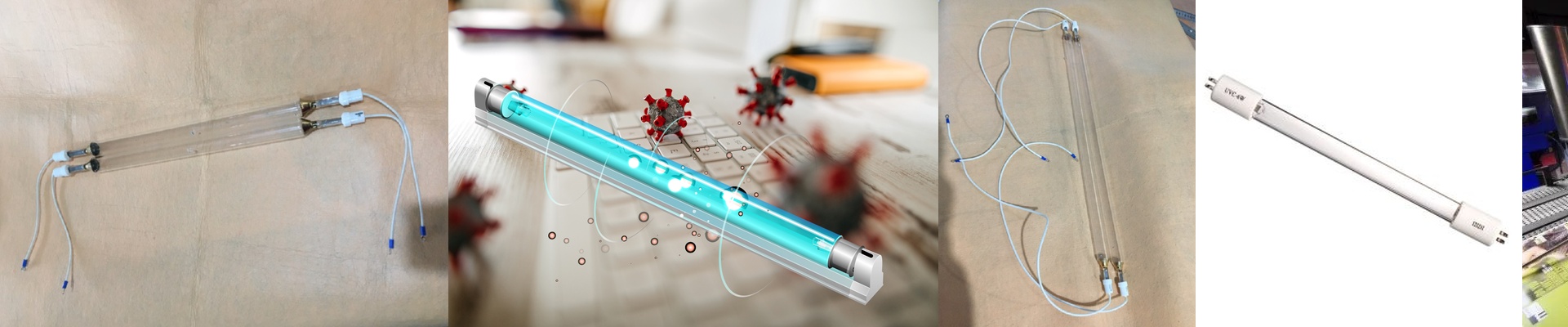
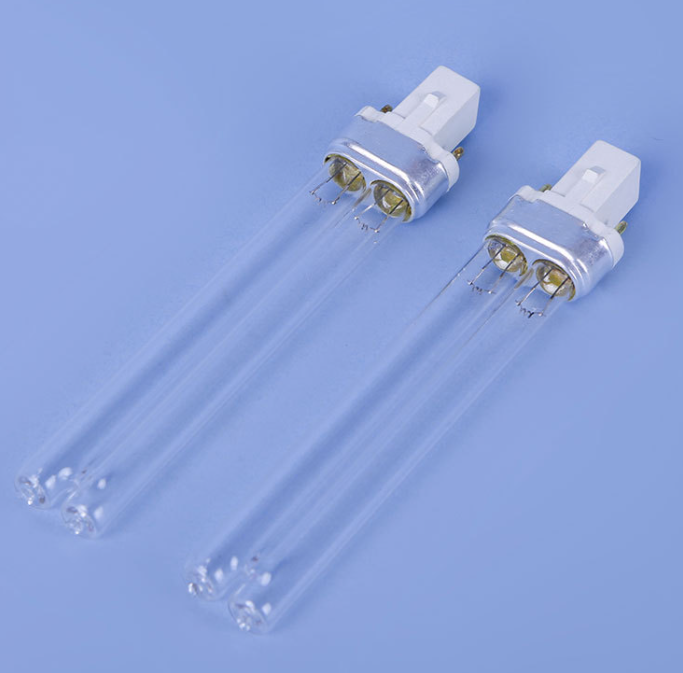
Using Gallium Iodide Lamps for PCB Curing
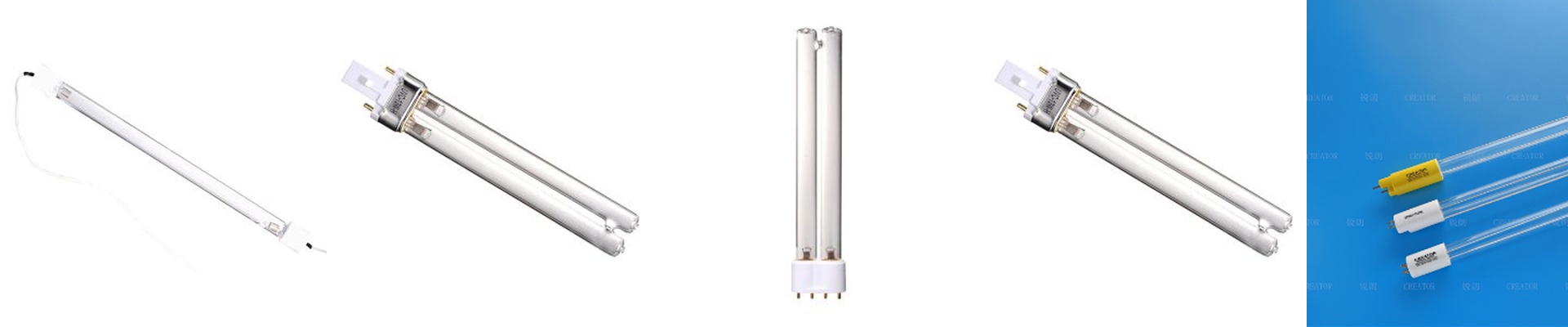
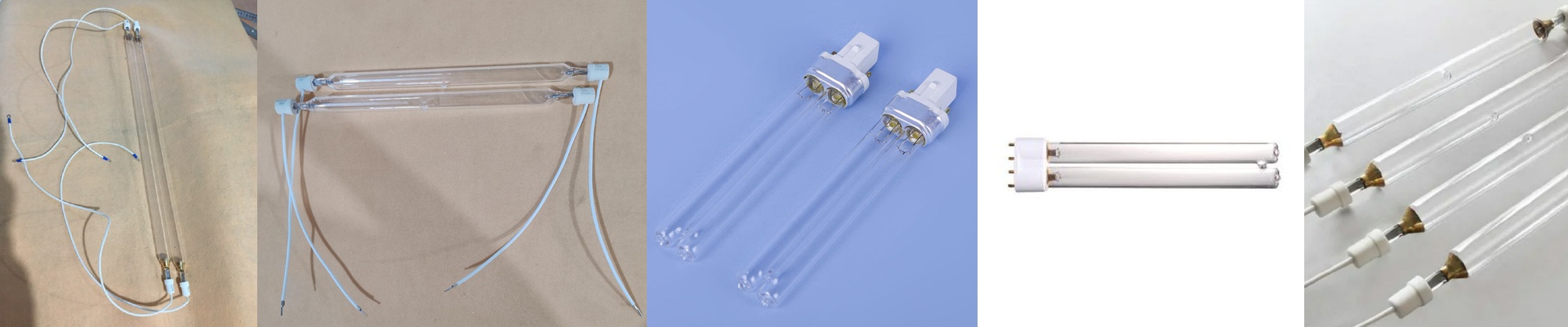
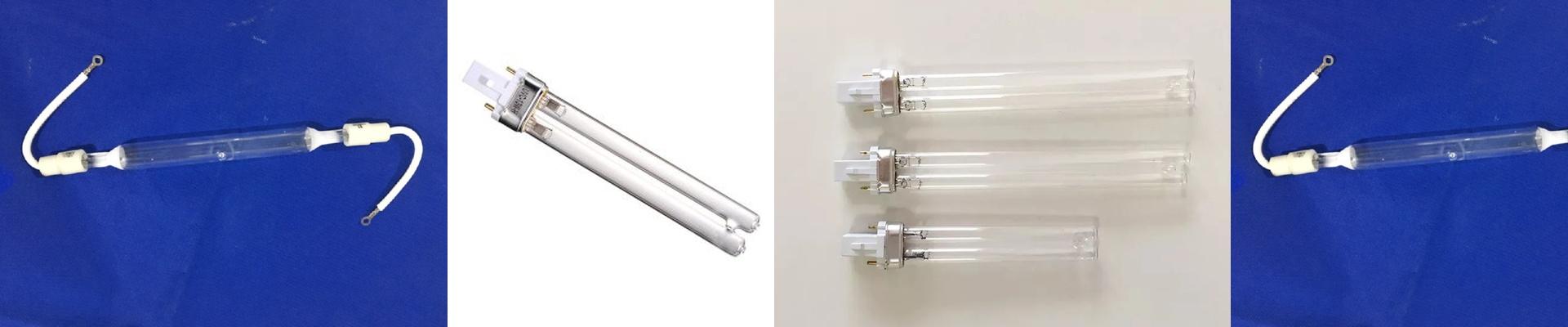
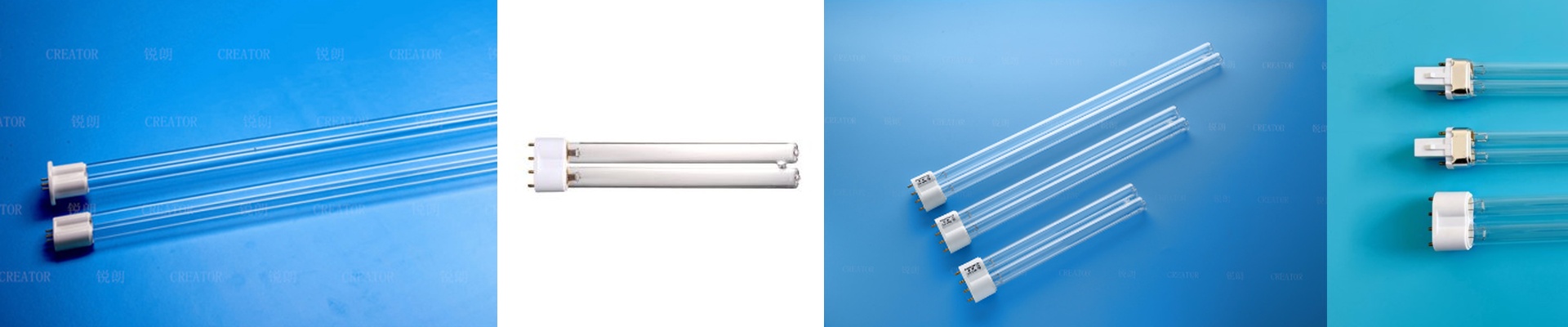
When it comes to the exposure and curing stages of PCB fabrication, we lean on Gallium Iodide (GaI) lamps. Standard UV lamps are okay, but GaI is different. It shifts the light to hit exactly where the photoresist is most sensitive. This is how you get those razor-sharp circuit patterns without the light bleeding over into the next trace. No messy edges, just clean lines. The power behind the light Here’s the thing: the physics of Gallium Iodide lets us concentrate the UV emission. We build these tubes to peak at a wavelength that the photoresist just drinks up. You get a much higher photon flux per square centimeter. In plain English? You can crank up your conveyor belt speed. You get more boards through the line faster, and you don’t have to worry about under-curing your batch. Dealing with the heat Now, let’s be honest—these lamps run hot. Really hot. That kind of power puts a lot of stress on the quartz envelope. To stop the tubes from cracking under the thermal shock, we use high-purity fused quartz. It’s tough. But you’ve got to do your part. Make sure your cooling fans are actually up to the task. If the housing gets too warm, your lamp life is going to tank. Usually, we start seeing the output dip after about 1,000 hours of heavy lifting. Getting them into your line The good news is that these are mostly drop-in replacements for your standard UV frames. We use standardized end-caps, so wiring them into the ballast is a breeze. But a word of caution: GaI is aggressive. You can’t just swap the bulb and walk away. You’ll need to sit down and recalibrate your exposure timers. If you leave the boards under the lamp too long, you’ll burn right through the resist or even warp the substrate. Just match your line speed to the wattage of the tube, and you’ll keep the scrap pile empty.