Getting Your Head Around UV Curing for Textile Printing
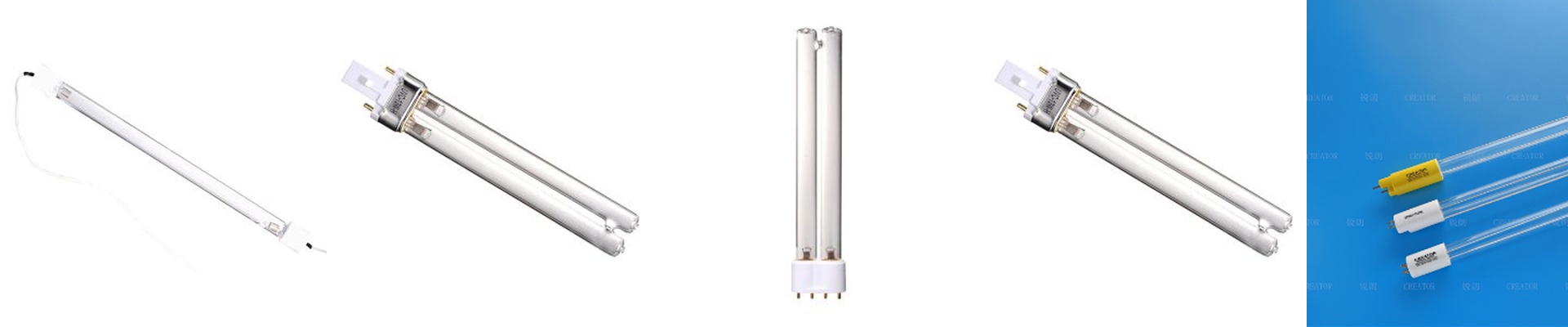
When you’re running an automated textile line, those UV lamps are doing a lot more than just lighting up the room. They’re the secret sauce that actually makes the ink stick. In the world of high-speed printing, we use them to bond the ink to the fabric fibers instantly. No smudging, no bleeding, just crisp colors that actually stay put.
How the “Instant Dry” Actually Works
It’s a bit of chemistry, really. We set these systems to hit the ink with specific UV wavelengths that trigger a reaction. The second that ink hits the UV stream, it flips from a liquid to a solid in a fraction of a second. That’s why you can crank up the conveyor speed without worrying about the ink sliding around. But here’s the catch: if you speed up the line, you’ve got to compensate. You’ll either need to bump up the wattage or move the lamp closer to the fabric to make sure the ink gets the “dose” it needs to harden.
The Gear and the Growing Pains
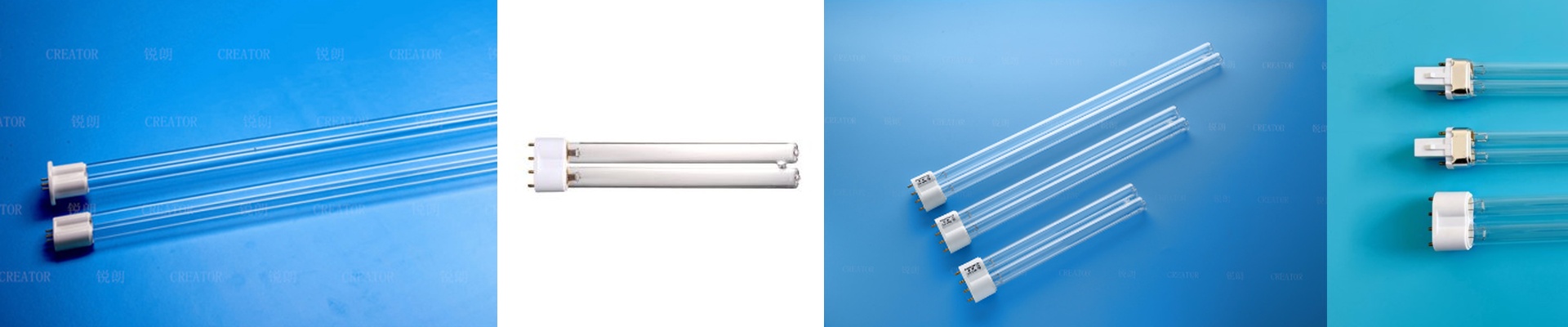
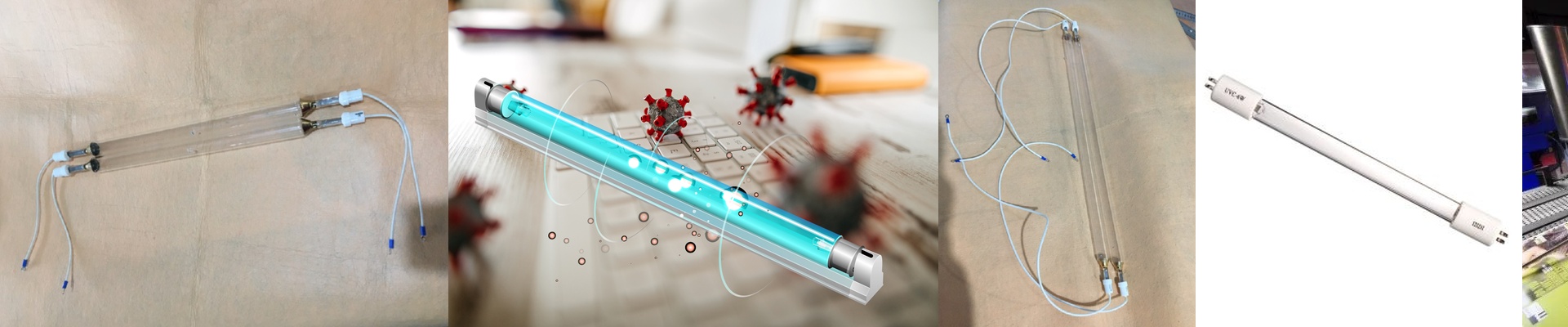
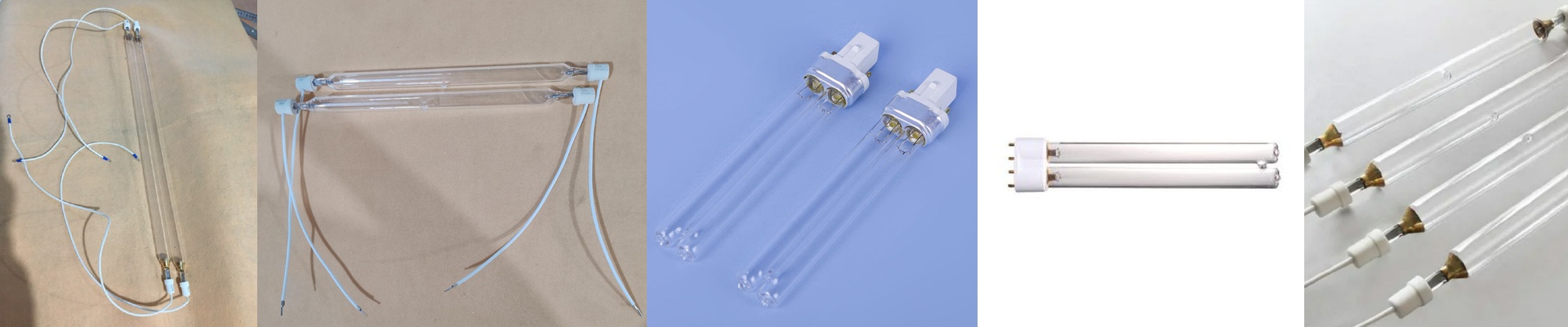
Most of the time, we’re working with either mercury-vapor or LED arrays, tucked into aluminum housings with reflectors to push all that energy straight down onto the fabric. But you have to be careful with the heat. UV light is great for curing, but it brings along some infrared heat as a sidekick. If you run a heavy-duty lamp too close to synthetic fabrics, you’re going to scorch your material. It’s a nightmare. To stop that from happening, we usually throw in some forced-air cooling or use water-cooled jackets to keep things chill.
Dealing with Maintenance (and the Mess)
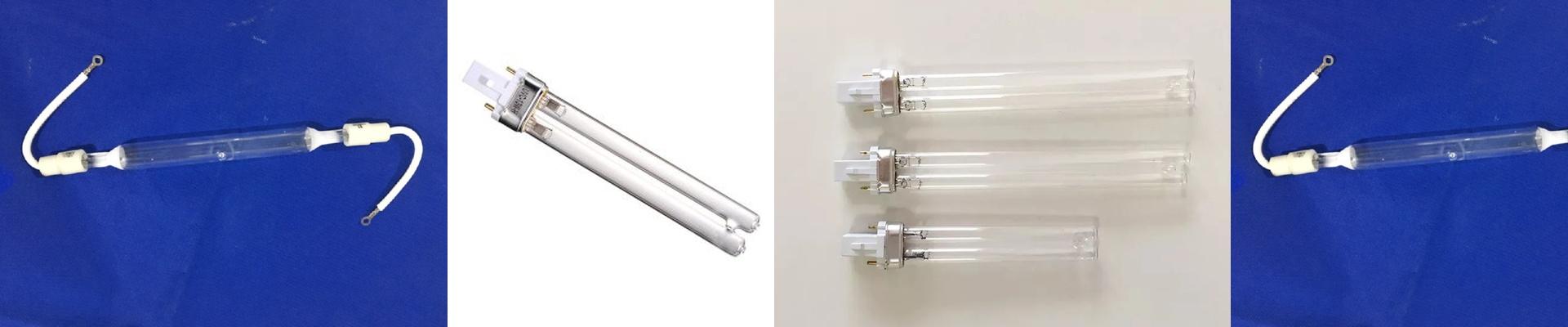
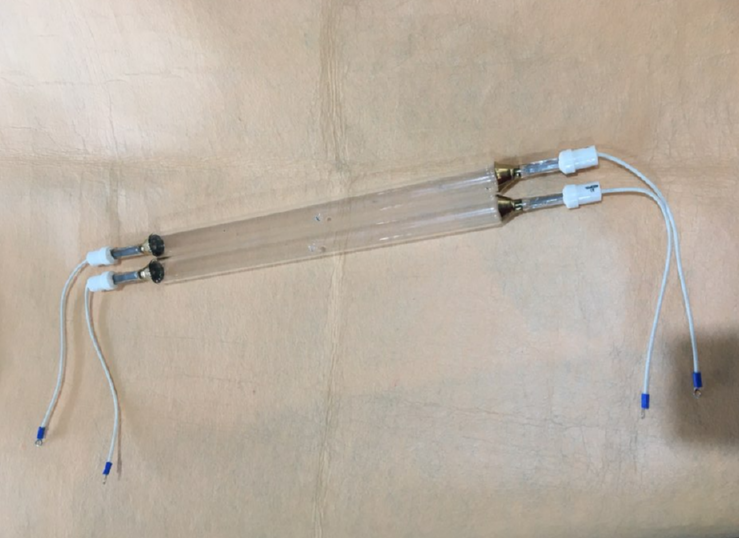
These lamps don’t last forever. Eventually, the gas inside wears out, the UV output dips, and suddenly you’re seeing “wet” prints coming off the line. It’s frustrating, but we’ve made the replacements simple. You just slide the old tube out, pop the new one in, and tweak your conveyor speed. One last thing—and this is a big one: UV lamps need time to warm up. If your automation sequence doesn’t account for that lead time, you’ll start every single shift with a pile of uncured, sticky scrap. Give the lamps a minute to wake up before you hit “start.”