Getting Your Textile Curing Right: The Truth About Mercury UV Lamps
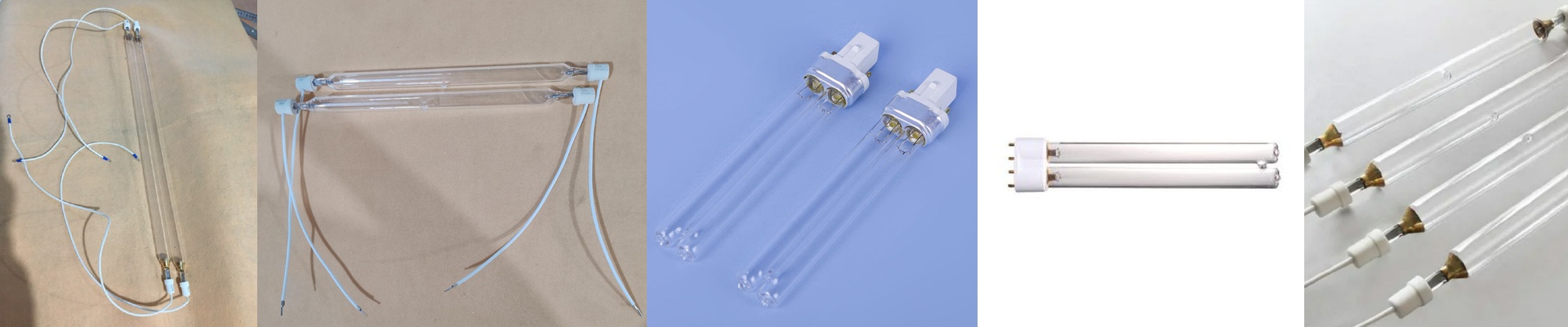
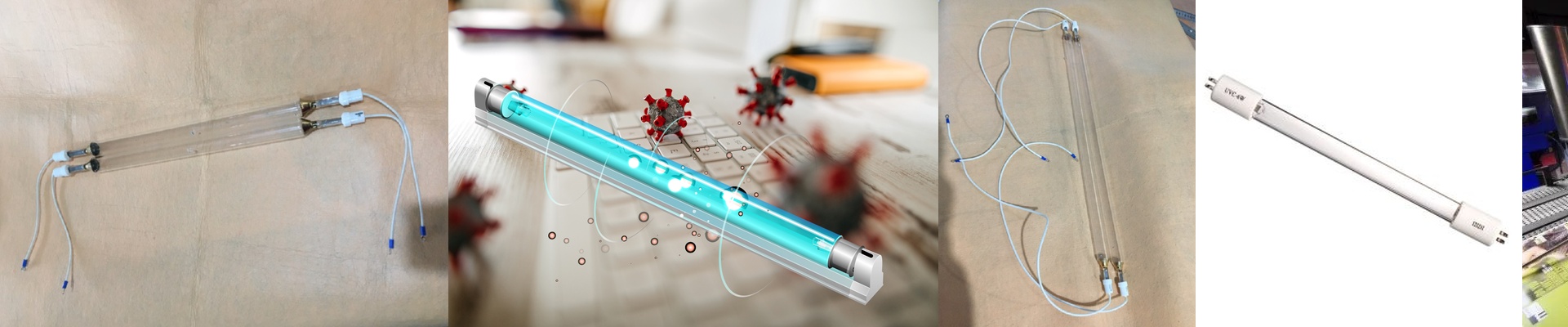
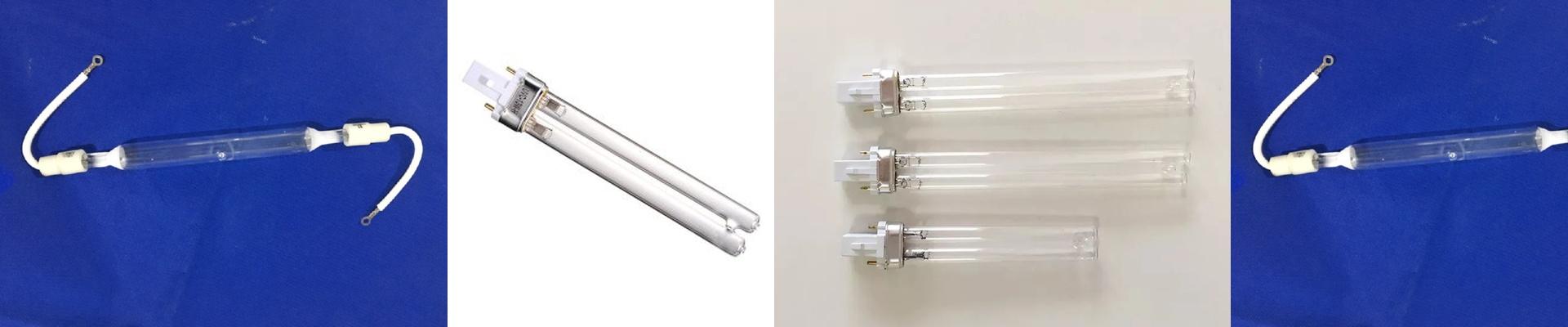
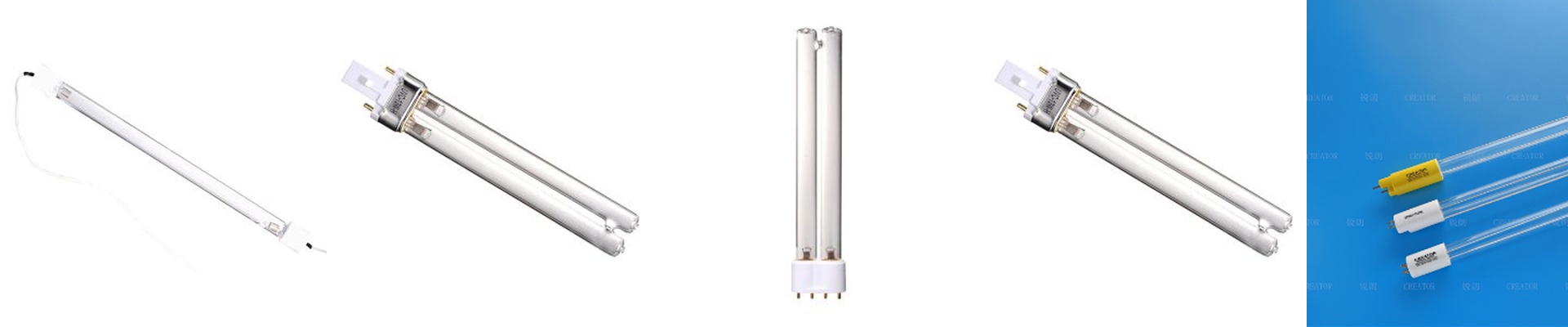
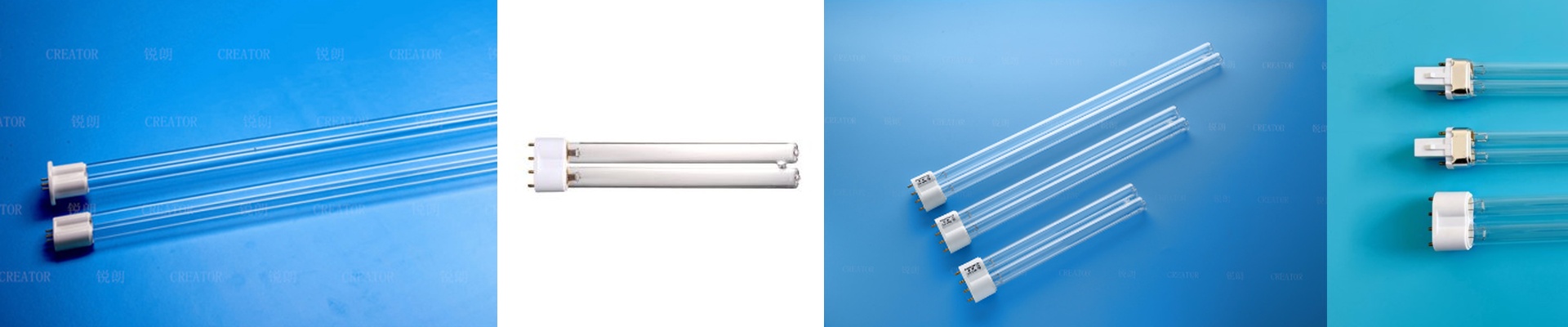
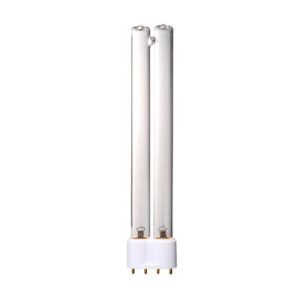
Let’s be honest—most people think of a lightbulb as just something that keeps a room bright. But when you’re curing ink on fabric, you need something way more aggressive. That’s where our high-pressure mercury lamps come in. These aren’t your average bulbs. They’re built for one job: hitting that ink with enough energy to lock it into the fabric instantly. No bleeding, no peeling, no “oops” moments after the first wash. The power behind the light Here’s the thing about textile inks: they’re picky. Different inks need different wavelengths of UV light to actually set. We design these lamps to throw out a wide spectrum—mostly UVC and UVB—so you’re covered no matter what photoinitiator you’re using. And we don’t skimp on the wattage. Why? Because fabric is absorbent. It drinks up ink. If your lamp is too weak, the surface might look dry, but the bottom layer is still wet. That’s how you get ink migration and prints that wash away. You need that raw power to punch through the thick stuff. Dealing with the heat To handle all that energy, we use high-purity fused quartz for the glass. It lets the UV light fly through while keeping the intense heat and pressure inside the arc under control. But fair warning:**these things get hot.**Seriously hot. You’ve got to make sure your cooling and exhaust systems are actually doing their job. If the heat just sits there, you’re going to scorch your fabric or, worse, warp the housing. Keep the air moving, and you’ll be fine. Keeping things running Most of our lamps are designed to just slide right into your existing setup. We’ve spent a lot of time on the electrode geometry so they don’t burn out the moment you turn them on. Just keep an eye on your hour-meter. Over time, the mercury wears down and the quartz gets a bit cloudy. It happens. Once you notice the intensity dipping, swap the tube out. It’s a lot cheaper to replace a bulb than it is to scrap a whole batch of ruined shirts. One last tip: use a stabilized ballast. Voltage spikes are the fastest way to kill an arc and shorten the life of your lamp. Keep the power steady, and these things will treat you right.