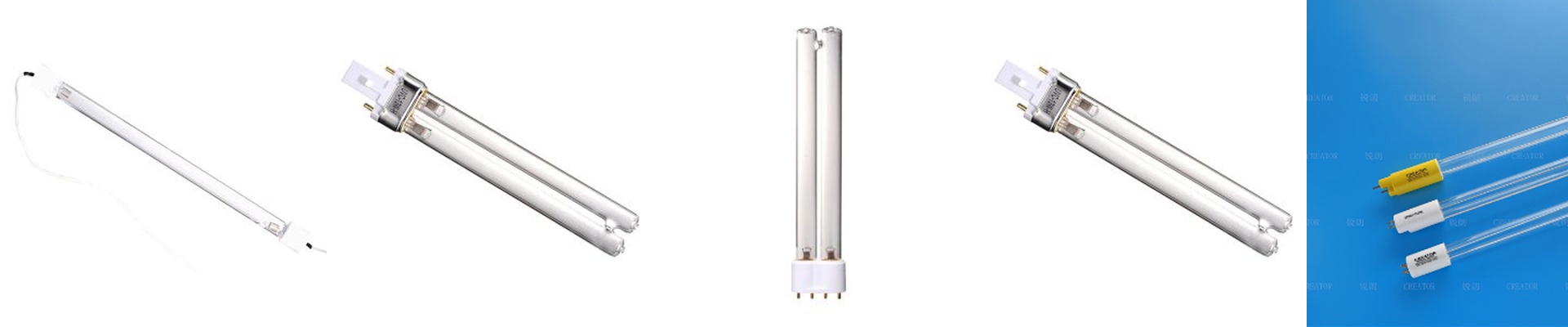
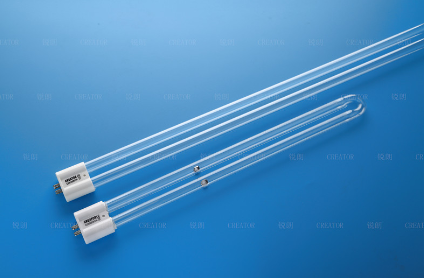
On a plant floor with multiple large presses running at once, the electrical noise and RF from nearby drives and power units can knock standard UV systems off their game. In food packaging lines, that shows up as inconsistent surface disinfection and curing—something you can’t tolerate when microbial control and print integrity are non-negotiable.
What matters, technically
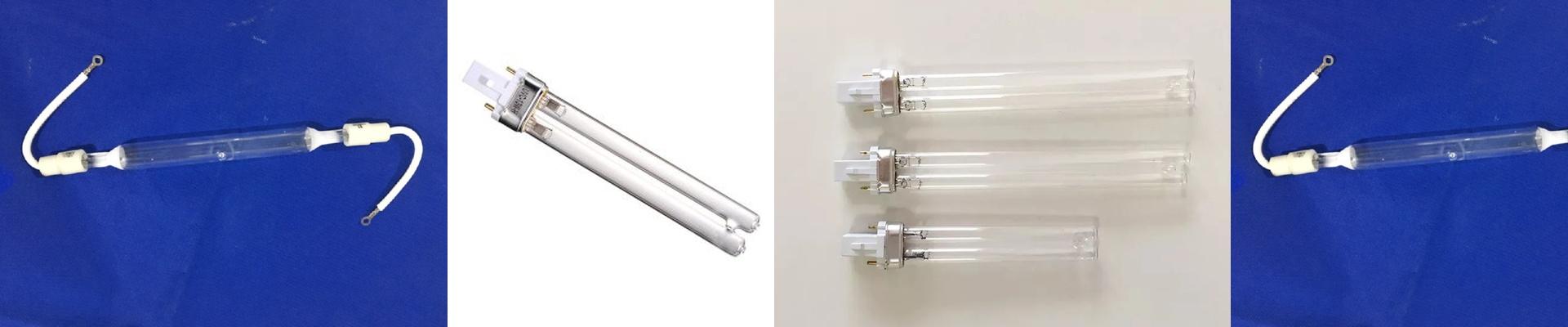
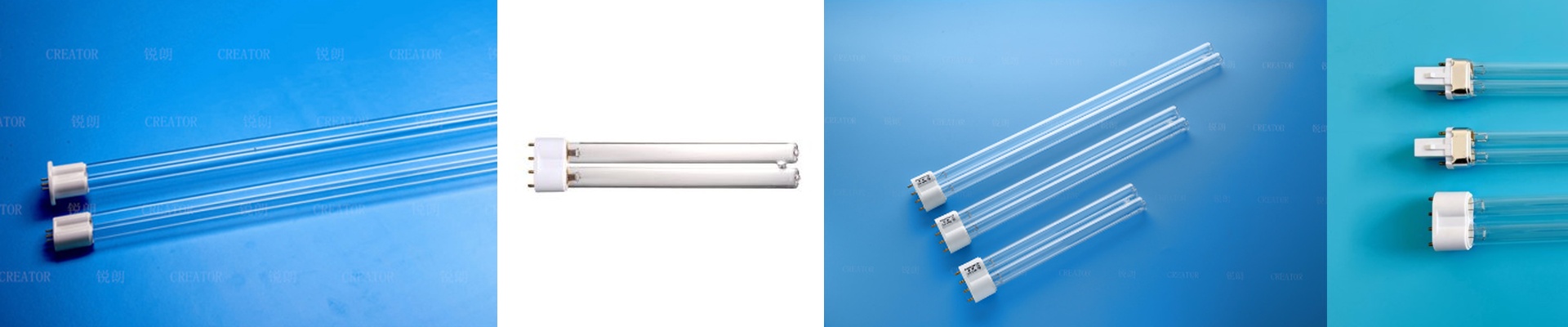
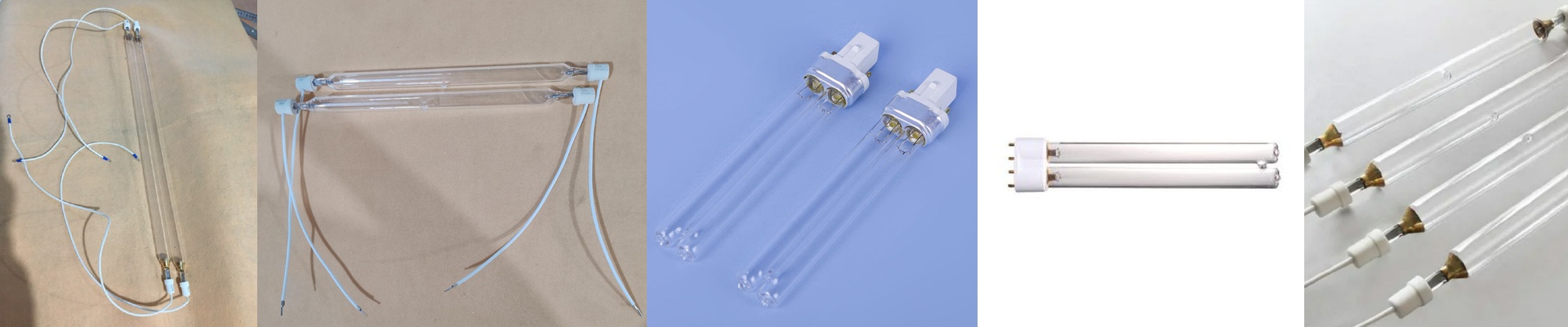
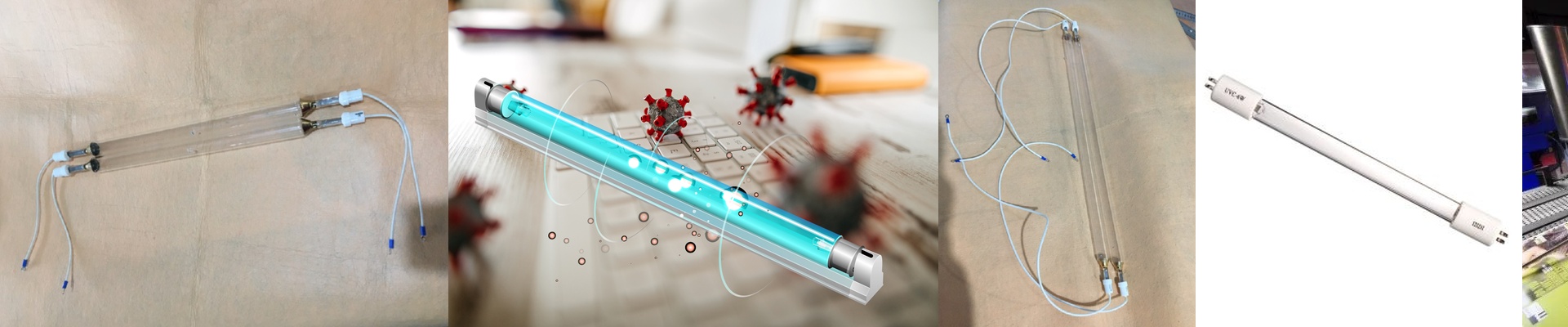
We build our germicidal UV lamps around low-pressure amalgam technology, giving you stable 254 nm output tuned for microbial inactivation. The quartz sleeve and reflector assembly are set up to hold peak irradiance steady, keeping output within tight tolerances even when voltage dips and surges. Electromagnetic shielding and isolated ignition circuitry keep interference from servo drives and rectifiers from messing with the lamp. It lights off clean and holds set power without dropouts. We size lamps by dose requirements (mJ/cm²), not just wattage, so you hit microbial reduction targets while keeping substrate temperature under control.
Why this works where you run it
In high-density printing cells—offset, flexo, screen, and gravure all running side by side—our lamps hold spectral stability through start-stop cycles and line reconfigurations. That translates to repeatable curing energy on coatings and inks, and repeatable germicidal exposure on packaging surfaces. You get fewer rejects, predictable dwell-time margins, and consistent microbial kill rates for food-contact materials. Power is managed by matching lamp output to web speed and the dwell envelope—no over-specification that wastes energy, and no under-specification that risks safety and quality.
Things you need to know up front
Matching the lamp to the press means checking the curing/sterilization window, reflector geometry, and the available mounting envelope on each platform. Offset units often need medium-pressure mercury spectra (365 nm, 385 nm, 405 nm) to trigger photoinitiator response, while germicidal exposure may call for a separate 254 nm module. **Ozone-free quartz sleeves can shave a bit off peak output compared to ozone-generating designs.**So dose calculations have to be based on the actual irradiance profile at the target surface, not on nominal lamp power.