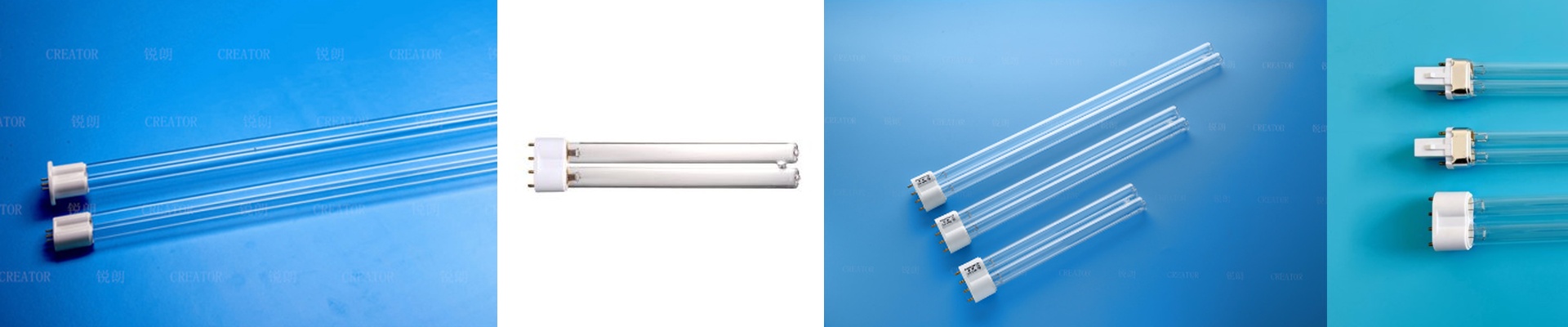
Getting the Spectrum Right: Why 0.5% Actually Matters
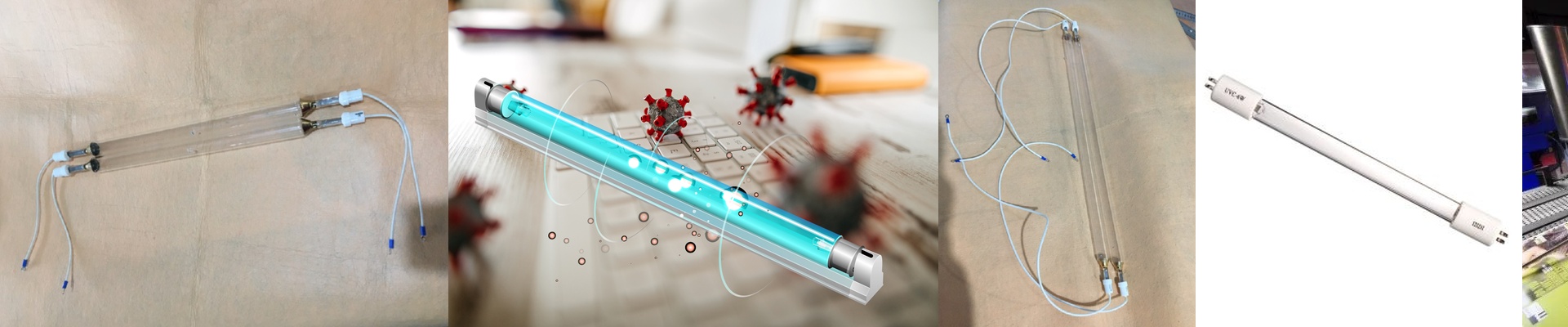
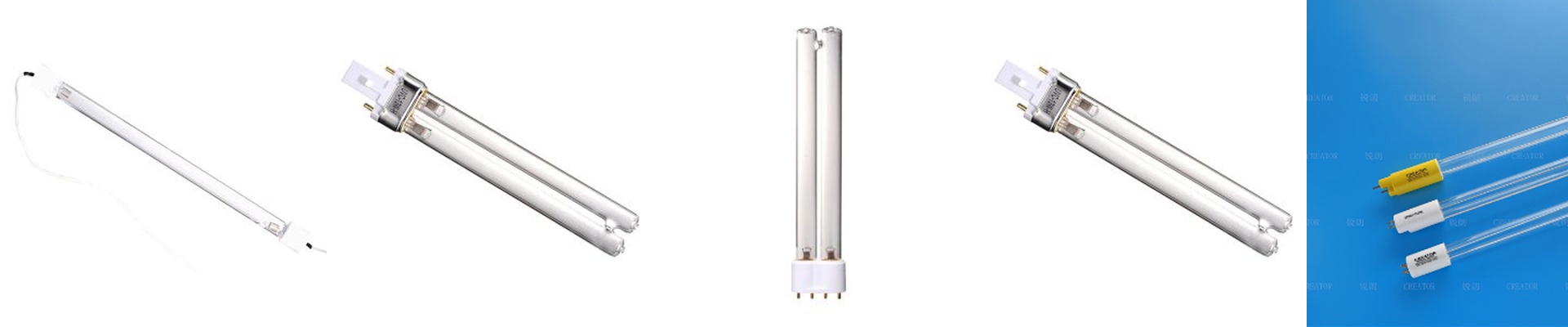
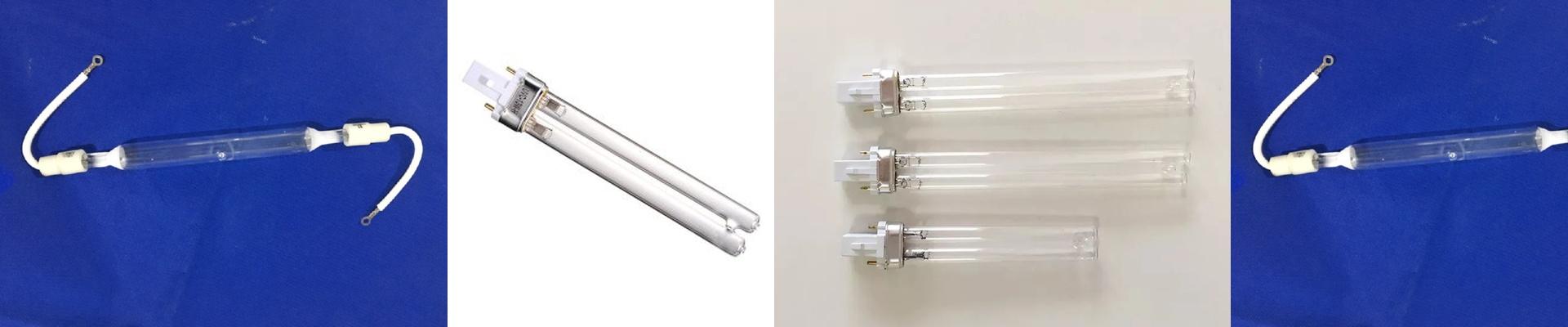
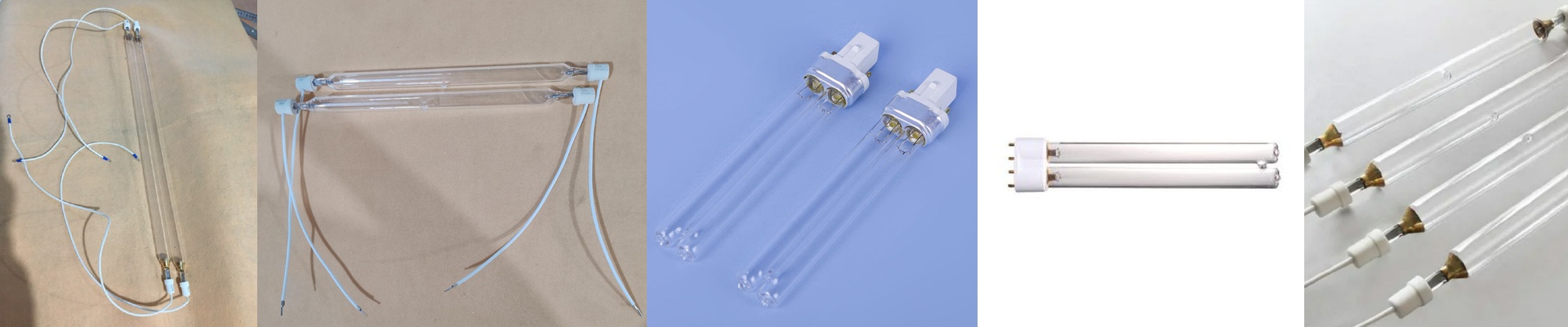
Most UV lamp suppliers will give you a general wavelength range and call it a day. But if you’re running a high-precision OEM project, “general” doesn’t cut it. We spent our R&D time obsessing over something specific: narrowing the spectral energy concentration down to a 0.5% tolerance. Here’s why that matters. It means the photons hit your target at the exact frequency needed for the chemical reaction to happen. No wasted energy. No unnecessary heat soaking into your substrate. Just a clean, efficient hit.
The nitty-gritty of the physics
Getting this kind of precision isn’t easy. It comes down to how we handle the gas mixture and the shape of the electrodes. We spent a lot of time tweaking the mercury vapor pressure and hunting for the purest quartz envelopes possible. Why? Because impurities in the quartz act like a sponge—they soak up the peak intensity before it ever leaves the lamp. We also spec our tubes so the output doesn’t drift as the lamp warms up. It stays steady.
Fitting them in (and dealing with the heat)
We designed these to be drop-in replacements. They fit right into your existing OEM footprints without a fuss. To hit that 0.5% mark, we usually crank up the power density per millimeter. You get a tighter beam and your cure times drop. It’s fast. But there’s a catch. All that concentrated energy creates a lot of heat at the ends of the lamp. You’ll need to make sure your cooling system can handle the extra load, otherwise, you’re looking at electrodes that burn out way too soon.
Why this saves you a headache
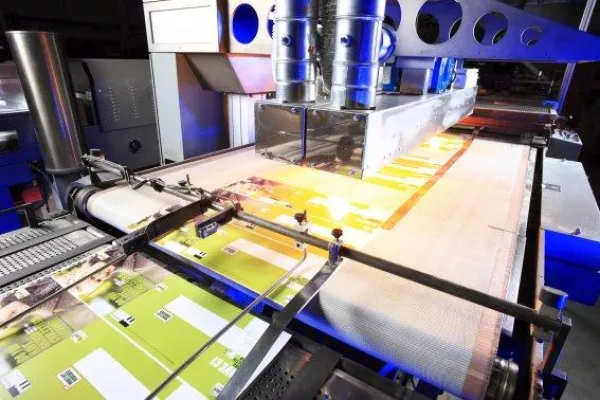
If you’re working with medical-grade adhesives or electronics potting, a tiny shift in the spectrum can ruin a batch. You either end up with under-cured parts or, worse, scorched surfaces. That’s why we provide photometry data for every single batch. When you wire these into your system, you can trust that the energy output is the same across a thousand different lamps. We don’t guess. We measure. And the best part? You can stop recalibrating your conveyor speed every time you put in a new set of bulbs. You just set it and forget it.