Building UVC Lamps That Actually Keep Up With Your Demand
When we set out to build these energy-saving UV lamps, we had one goal: get the germ-killing power you need without blowing out your power bill. We lean hard into that 253.7nm wavelength because that’s where the magic happens to break down microbial DNA. But if you’re dealing with those crazy e-commerce spikes, you know the real headache isn’t just the specs on a page. It’s the stress of getting hardware into your machines fast enough so your entire line doesn’t grind to a halt.
The Logic Behind the Power
Here’s the thing about our high-demand models. We’ve tweaked the ballast compatibility so you can drop the wattage without losing the actual cleaning strength. We also obsess over the electrode positioning. Why? Because tight tolerances mean the lamps don’t burn out early. When you plug these in, you’ll notice they don’t pull as much power. That’s a win for your wallet, but it’s also a win for your hardware. Less power means less heat. When your housing stays cool, your fans don’t have to scream at max speed all day, which means your whole setup lasts a lot longer.
No Redesigning Required
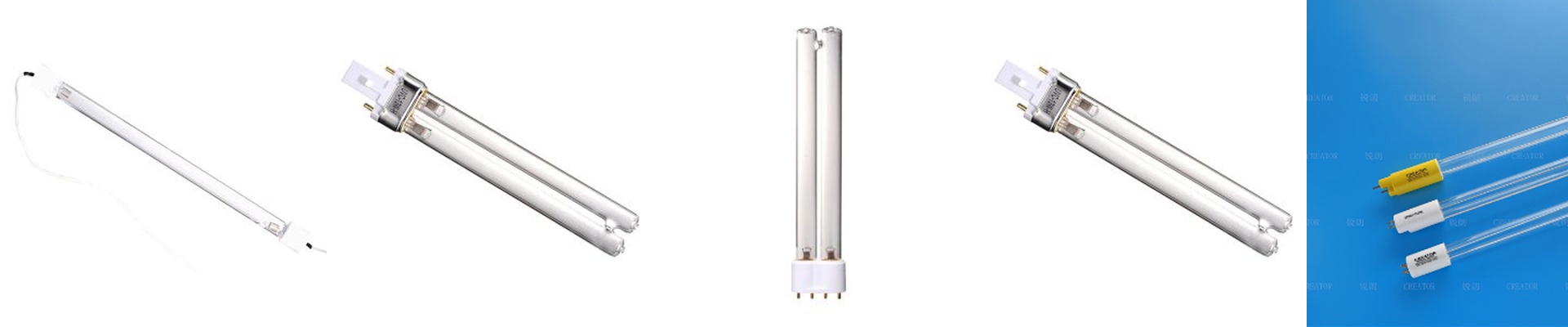
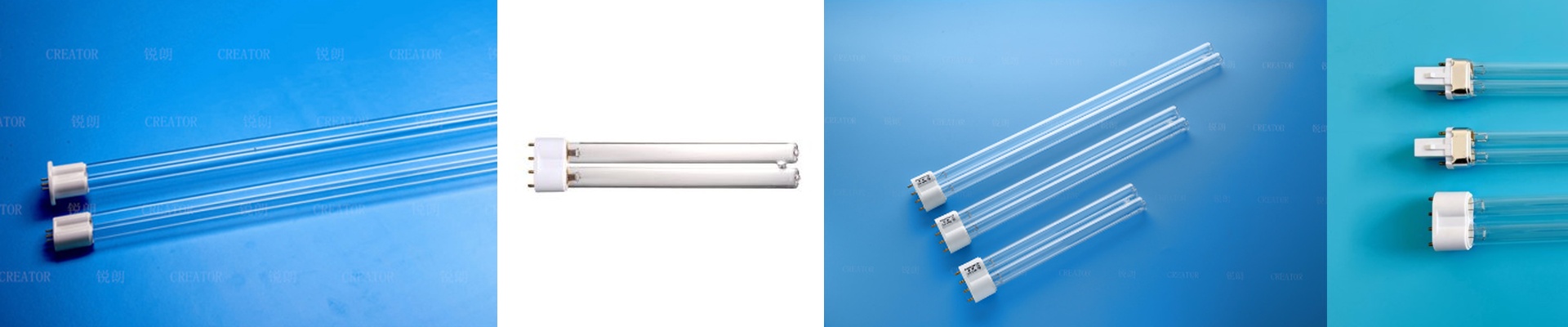
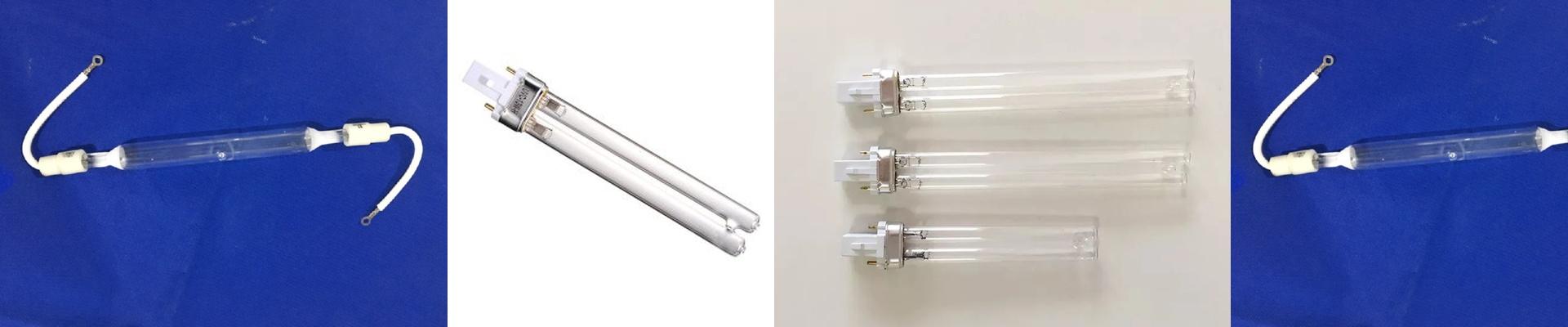
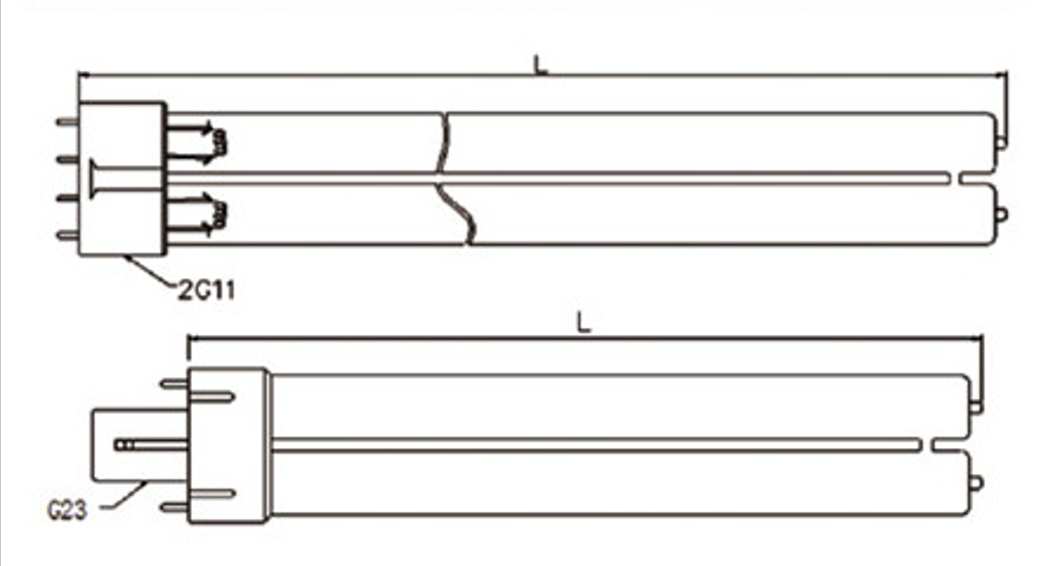
Nobody wants to spend a weekend redesigning fixtures just to scale up. That’s why we kept these as simple drop-in replacements. We use the same pin layouts and quartz glass grades the industry expects. It just works. Plus, we keep a massive stockpile of our best-selling parts. When your orders spike and you suddenly need more capacity, we can ship them out immediately. No bottlenecks, no waiting around, no panic.
The Honest Truth About Using Them
Look, these lamps make sterilization cycles faster, but UVC is tough stuff. It’s aggressive. Over time, the quartz envelopes will solarize—basically, they wear out and the output dips. It’s just physics. To keep things clean, you’ve got to track your hours. We usually suggest swapping them out every 8,000 to 10,000 hours to make sure you’re still hitting your benchmarks. One last tip: make sure your ballast matches the lamp’s impedance. If they’re fighting each other, you’ll see flickering or the tube will die way too soon. Just wire it to a stable power source to keep those voltage spikes away, and you’re golden.