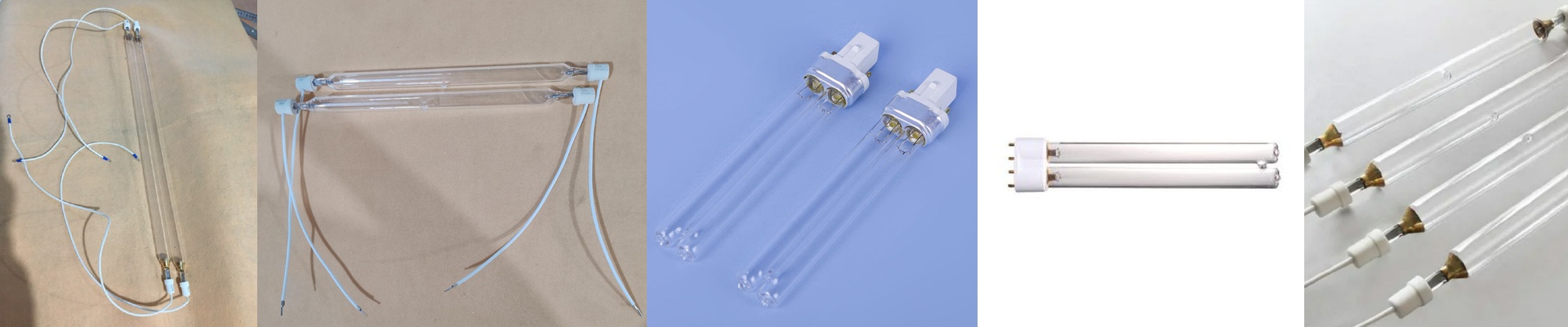
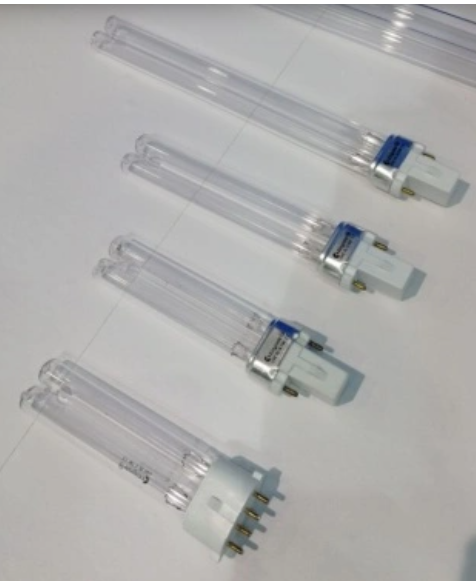
How Standard Mercury UV Bulbs Actually Work
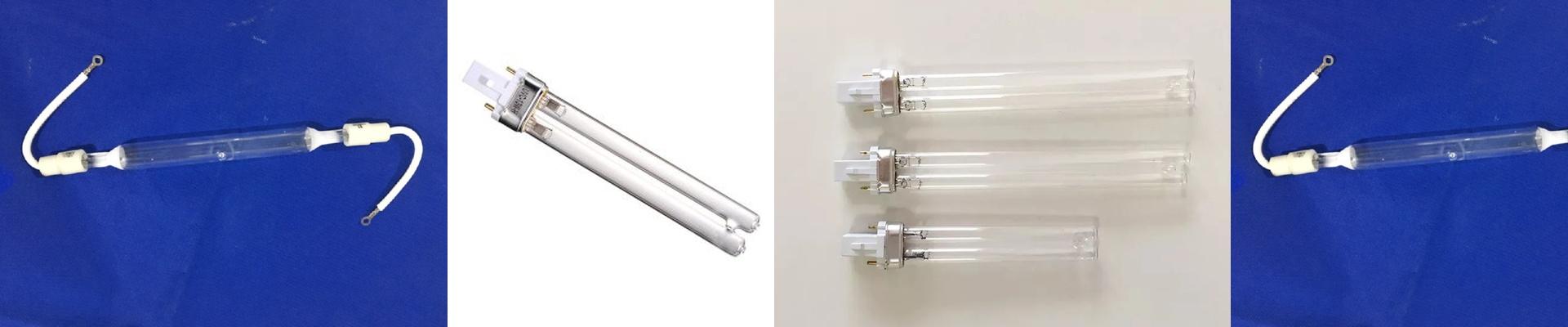
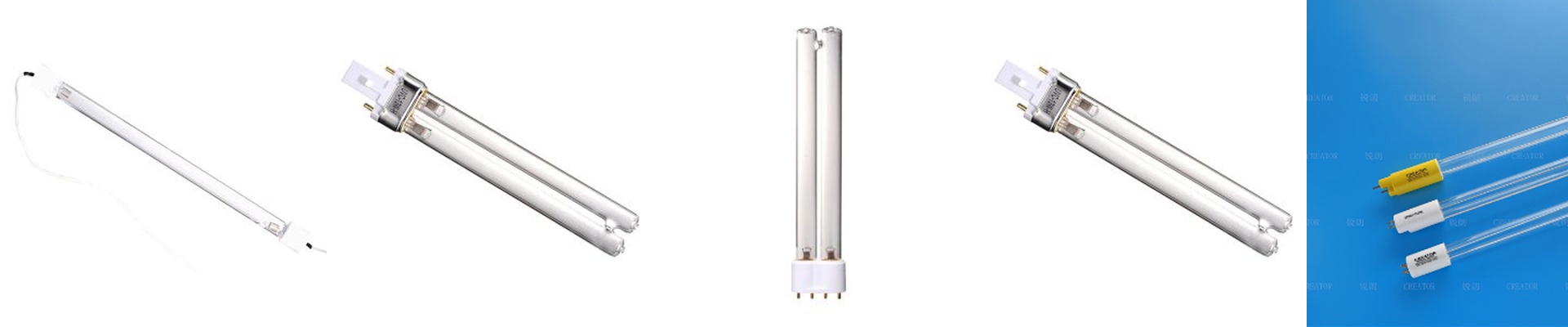
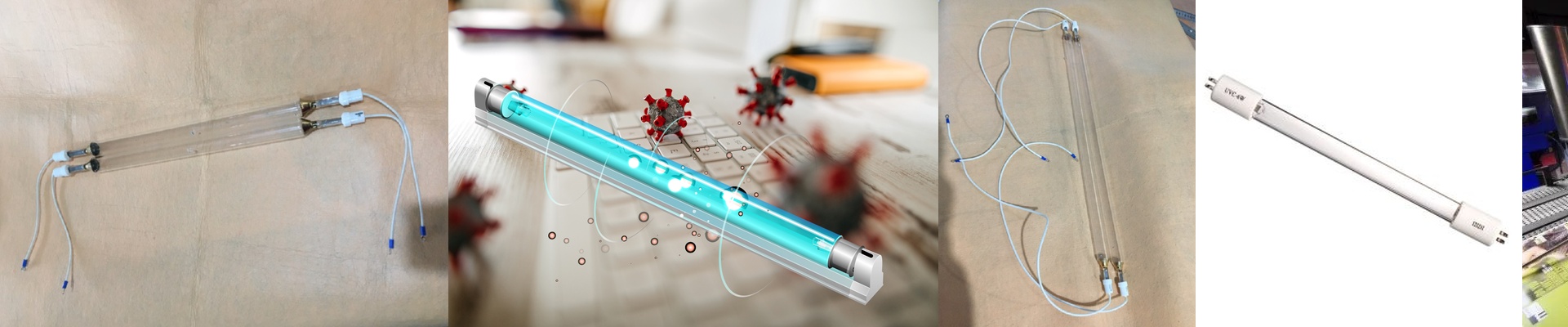
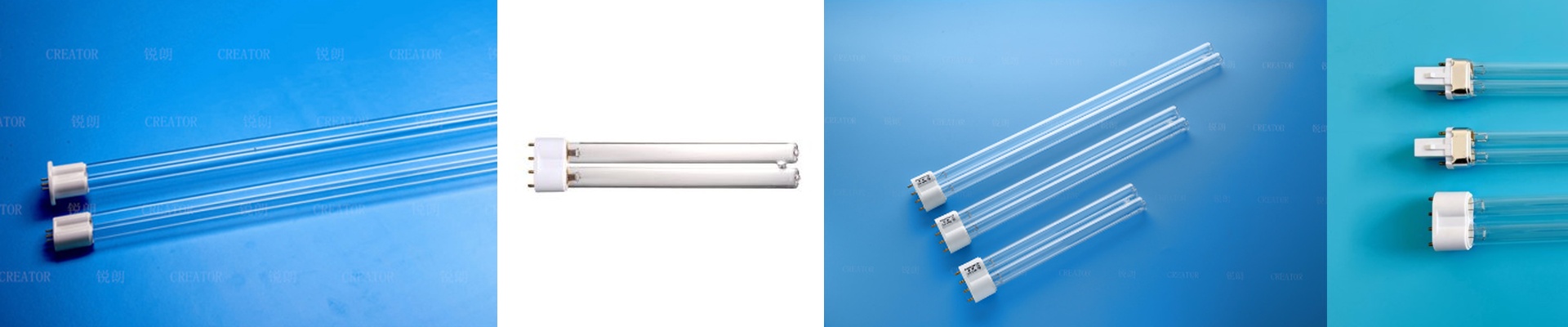
Think of these bulbs as the engine of your curing process. They aren’t just lights; they’re what actually push the chemistry along, turning liquid resins and inks into solid surfaces through a process called photopolymerization. We basically take electricity and turn it into a specific blast of UV radiation—mostly UVC and UVB—to lock those chemicals together.
Getting the Power Right
We spend a lot of time balancing the mercury vapor pressure and the wattage. Why? Because you need the same amount of energy hitting your product at the start of the tube as you do at the end. The bulb uses a plasma discharge to create a broad spectrum of UV. You’ll see a big spike at 254nm, which is the sweet spot for curing thin films and coatings. But here’s a tip: don’t just crank up the wattage thinking it’ll cure faster. If your reflectors aren’t up to the task, you’re just wasting power and creating a bunch of infrared heat instead of useful UV photons.
Dealing with the Heat
The outer shell is made of high-purity fused quartz. We use this because it lets the UV rays slide right through without getting trapped, and it can handle the brutal heat of the arc without cracking. Fair warning: these things gethot. Really hot. That’s just the price you pay for that kind of intensity. This is where your cooling system comes in. Whether you use forced air or water, it needs to be able to keep up. If it doesn’t, the quartz can actually warp, which messes up your focal point and ruins your beam.
Bringing Them into the Modern Shop
The old “set it and forget it” way of running a factory doesn’t really cut it anymore. Now, we’re pairing these lamps with digital ballasts that tell you exactly what’s happening with the current draw and how the lamp is aging. As the mercury wears down, the light spectrum shifts. By keeping an eye on the power curve, you can tell when a bulb is about to quit. Instead of the line grinding to a halt because a bulb popped, you can just schedule a swap during a break. It turns a random headache into a predictable part of your maintenance schedule.